How Deadly Was The 1998 Sydney To Hobart Yacht Race?
A sober look at the 1998 Sydney to Hobart race: six lives lost, 115 starters, 44 finishers, and what that storm means for a visitor thinking about a short sail on the Derwent.
In short: Six sailors died in the 1998 Sydney to Hobart, making it the deadliest edition of the race ever run. Of 115 boats that started in Sydney, only 44 finished in Hobart. The storm that hit the fleet in Bass Strait forced dozens of retirements and rescues. For a visitor, the key context is scale: the race covers 628 nautical miles of open ocean, while the harbour sails on this site are three-hour trips on the Derwent with a skipper who cancels in bad weather.
For the full picture of the race itself, see the Sydney to Hobart race overview guide.
| Quick Facts | Detail |
|---|---|
| Deaths in the 1998 race | 6 sailors |
| Boats that started | 115 |
| Boats that finished | 44 |
| Race distance | 628 nautical miles |
| Where the storm hit the fleet | Bass Strait and the Tasman Sea |
| Race finish location | Derwent River waterfront, Constitution Dock area, Hobart |
| 2026 race start | Saturday 26 December 2026, 1:00 pm AEDT |
| Closest experience covered here | A 3-hour skippered harbour sail on the Derwent |
The 1998 edition was the deadliest in the race's history: six sailors lost their lives, and the toll came from a single storm system that overwhelmed the fleet shortly after the start. Of the 115 boats that left Sydney Harbour, only 44 reached Hobart. The remainder retired, sheltered, or were rescued. The figures come from the organising club's own recap of the race and remain the reference numbers for what happened that year.
The race record is stark when set side by side. The organisers at the Cruising Yacht Club of Australia published a recap that lists the essential figures plainly: 6 dead, 115 starters, 44 finishers. A storm with winds that knocked boats down and seas that broke over decks struck the fleet in the first night and morning. The race recap on the official race site and the Wikipedia article on the 1998 race are the two sources this page draws on, and the numbers above do not go beyond them.
The scale of the 1998 storm is best understood through the retirement count. In a normal year a sizeable share of the fleet finishes; in 1998, fewer than four in ten starters made it to the Derwent. Rescue services pulled dozens of crew from yachts and life rafts across the Tasman Sea. The consequence was a wholesale overhaul of offshore safety standards, equipment rules and crew requirements that still shapes ocean racing today.
It is worth being precise about what the numbers do not say. The record gives the three figures, the storm, and the rescues. It does not assign blame in the sources used here, and neither will this page. The names of those who died are a matter of public record elsewhere; a visitor reading for context does not need them to understand the scale of what happened.
For a visitor to Hobart, the 1998 race is one thread in a much larger sailing story, and the city engages with it openly. The race finish sits on the Derwent River waterfront around the Constitution Dock area, and a three-hour sail on that same river, such as the Hobart Sailing Experience aboard Helsal IV, rated 4.9 across 89 reviews, is a different kind of day entirely: one operator, one skipper, and a harbour the operator describes as well protected.
How Many Died From Sydney To Hobart In 1998?
Six sailors died in the 1998 Sydney to Hobart. The deaths occurred across the fleet during the storm that struck the race on its first night at sea, and they involved multiple boats rather than a single catastrophe. It remains the highest loss of life in the race's history, and it is the figure the organising club cites in its official recap of the edition. No race before or since has come close to that toll.
The number six is the confirmed total in both the club's recap and the standard encyclopaedic record. No graphic detail is needed here, and none is added. What matters for context is that the storm affected boats across a wide area of ocean, not one unlucky yacht, and that the fleet was scattered over hundreds of nautical miles when the worst weather arrived.
Set against the fleet size, the figures are these: 115 boats started, 44 finished, and 6 people died. Every one of the deaths occurred in the open ocean sections of the course, in Bass Strait and the Tasman Sea, where the fleet met storm conditions with no land to shelter behind. That distinction, open ocean versus sheltered water, is the one that matters most for the second half of this page.
What Was The Deadliest Sydney To Hobart Yacht Race Ever?
The 1998 race is the deadliest Sydney to Hobart ever held. Six lives lost in a single edition stands above every other running of the race. Other years have seen storms, mass retirements and individual tragedies, but no other edition has a death toll of that size. The 1998 storm also produced the race's largest rescue operation, involving civilian and military vessels over a wide area of the Tasman Sea.
The race has run through dangerous weather many times. Its course crosses Bass Strait, a stretch of water with a reputation among sailors for shallow depth, strong currents and fast-building seas, and then runs down the Tasman Sea coast of Tasmania before the final approach up the Derwent. The 2026 edition starts on Saturday 26 December 2026 at 1:00 pm AEDT from Sydney Harbour and covers 628 nautical miles, the same course that caught the 1998 fleet. Readers wanting the finish-side story can read where the Sydney to Hobart race finishes.
What made 1998 singular was the combination. A deep low-pressure system intensified over the fleet faster than forecasts of the day suggested, generating conditions that exceeded what many boats and crews were prepared for. The rescue response drew on fishing vessels, merchant ships and helicopters, and the fact that so many crews were recovered is part of the same record as the six who were lost. Since 1998, mandatory safety equipment, crew experience thresholds and weather briefing requirements have all been tightened in direct response.
The contrast with ordinary race years is worth stating plainly. Most editions of the race are hard, cold and demanding but pass without loss of life. 1998 sits at the far end of the distribution, not at its middle, and it is remembered precisely because it is the outlier.
What Separates An Ocean Race From A Harbour Sail
The 1998 fleet was racing 628 nautical miles of open ocean in mid-summer storm conditions, with no shelter available once the weather built. A visitor's sail on the Derwent is a three-hour trip in enclosed harbour waters, with a professional skipper who makes the weather call. These are different categories of activity. This page does not claim any sailing activity is free of risk.
The distinction is geographic before it is anything else. Bass Strait is open water: once a storm arrives, the only options are to ride it out or abandon to a life raft, and in 1998 crews did both. The Derwent is an estuary with shores on both sides, and the harbour sail covered here stays close to Hobart. The operator's FAQ states that harbour sailing is well protected, and also states that the skipper cancels if the weather is too bad, noting that a gale forecast has cancelled a sail the day before. Those are the operator's words, and they describe the operating reality: the weather call belongs to the skipper, not the guest.
| Dimension | The Sydney To Hobart Race | A Harbour Sail On The Derwent |
|---|---|---|
| Distance | 628 nautical miles | About 3 hours, morning or afternoon |
| Water | Bass Strait and the Tasman Sea, open ocean | Enclosed harbour and estuary |
| Weather exposure | Days at sea with no shelter | Enclosed harbour, sails from Kings Pier Marina |
| Who decides to go | Race organisers and fleet, at a scheduled start | The skipper, day by day |
| If weather turns bad | The fleet is at sea | The operator says the skipper cancels; reschedule or full refund |
| Vessel type | Offshore racing yachts | Helsal IV, a 62 ft cruiser-racer with a 150 HP diesel auxiliary |
The boat itself is a useful illustration. Helsal IV, the vessel behind the Hobart Sailing coverage on this site, is a Dynamique 62 designed by Philippe Briand and built in France, and the operator notes she has taken part in several Sydney to Hobart races. A yacht built for offshore racing now works harbour sails with a skipper and crew aboard, snacks and non-alcoholic drinks included, and sailing instruction for anyone who wants it. The pedigree and the product are connected, but the sailing days are not comparable in exposure.
It also helps to know what happens when the weather does not cooperate. The booking page for the Hobart Sailing Experience offers free cancellation up to 24 hours before for a full refund, and if weather makes the sail unsafe it is rescheduled or refunded in full. The operator's FAQ adds that a minimum of 4 guests is needed, with reschedule, voucher, pay-the-difference or full-refund options if the minimum is not met. None of this makes a sail risk-free, and no claim here does; it simply describes the decision structure, which for a harbour trip is short and conservative.
How To Think About The 1998 Record As A Visitor
Read the 1998 race as what it was: an offshore race caught by an exceptional storm, with consequences that reshaped ocean-racing safety rules. Do not read it as a statement about sailing generally. Scale and exposure are the point: 628 nautical miles of open ocean against three hours of sheltered harbour, with a skipper whose stated policy is to cancel when weather is too bad. Nothing on this page promises otherwise.
Visitors arriving in late December will find Hobart oriented around the race finish. The 2026 edition starts in Sydney on 26 December at 1:00 pm AEDT, and arrivals into Hobart depend entirely on conditions, so finish times are unpredictable. For planning around the event, the guide to watching the Sydney to Hobart finish covers the viewing side. February visitors get a different flavour of the city's sailing culture, with the Australian Wooden Boat Festival running 5 to 8 February 2027 and the Royal Hobart Regatta, its 189th edition, from 6 to 8 February 2027.
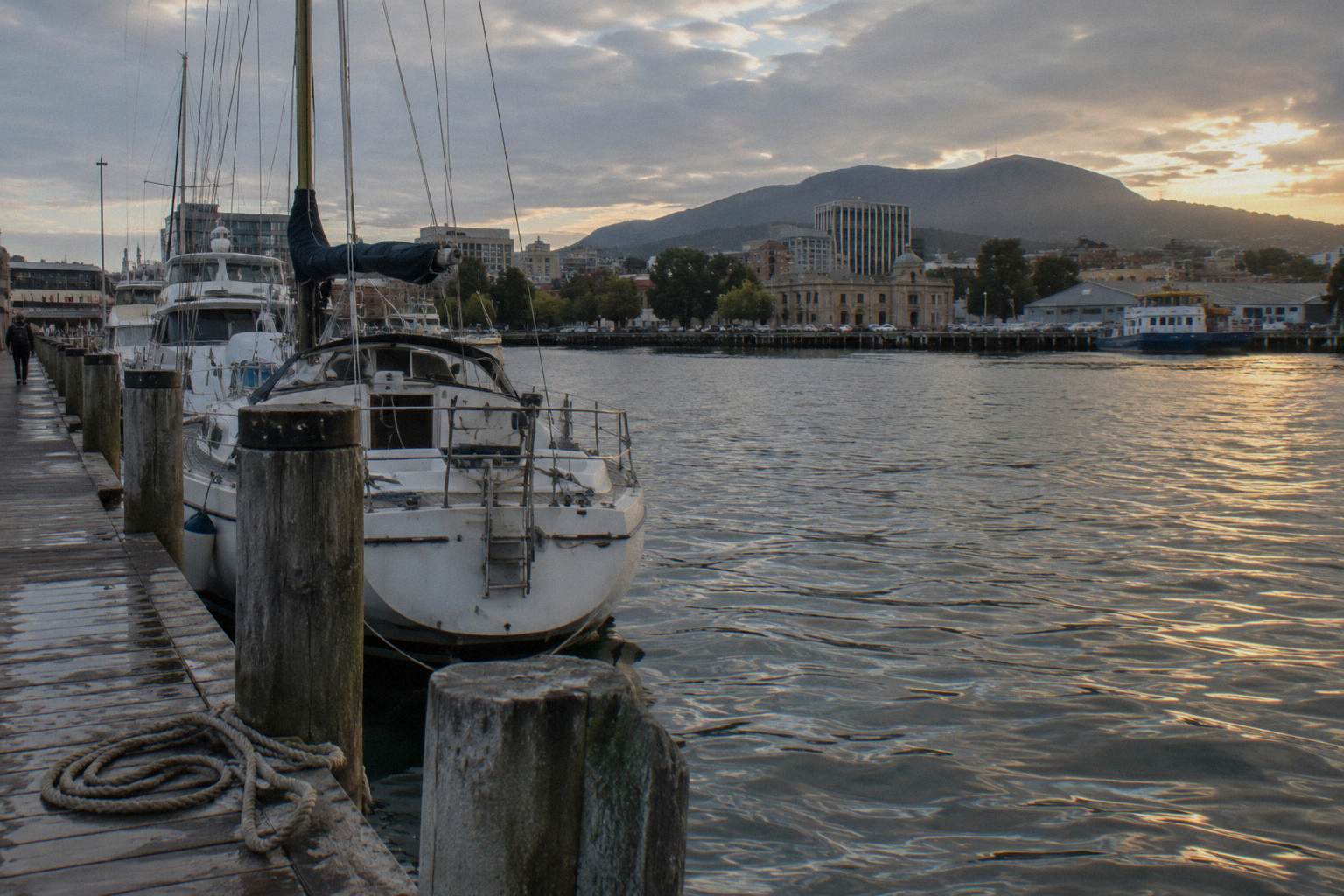
For a first taste of the water, the choices on this site fall into two families. The Helsal IV sail is the sailing option: three hours, all ages, from US$115 per person, with children 4 to 17 at a child rate and infants under 4 free on laps. The Pennicott Wilderness Journeys days, including the Bruny Island Wilderness Coast full day from US$195 per person and rated 4.8 across 578 reviews, are motor-powered wilderness cruises rather than sailing, and they spend their hours on exposed coastlines rather than inside the harbour. A reader whose interest in the 1998 story is a concern about exposure may prefer the harbour option; a reader who wants the wild-water experience can choose it knowingly.
| Feature | Helsal IV Sail | Bruny Island Full Day | Tasman Island Day Tour |
|---|---|---|---|
| Type | Skippered sail | Motor wilderness cruise | Motor wilderness cruise |
| Duration | 3 hours | About 9.5 to 10 hours | About 10.5 hours |
| Departs | Kings Pier Marina, 2 Franklin Wharf | Dock Head Building, Franklin Wharf, 07:45 | Franklin Wharf, check-in 7:15am |
| From price | US$115 per person | US$195 per person | Not stated |
| Rating | 4.9 across 89 reviews | 4.8 across 578 reviews | Not stated |
| Cancellation | Free to 24 hours before | Free to 24 hours before | Free to 24 hours before |
Clothing and logistics are simple and worth getting right. The operator asks for flat-soled grippy shoes, with bare feet, high heels and thongs not allowed, and suggests bringing your own wet weather gear since only limited spares are on board. The meeting point is Kings Pier Marina, 2 Franklin Wharf, with Helsal IV the last boat on the far left of the pier, and arriving about 10 minutes early is the stated guidance. Parking on the dock itself is limited to 2 hours or permit holders, with the nearest all-day options at Dunne Place, Evans Street at Macquarie Point, and the Market Place and Argyle Street car parks.
A few practical notes for choosing. All three options carry the same cancellation terms, free up to 24 hours before, so a weather decision can be left late without cost. The two motor cruises differ mostly in length, and the Tasman Island tour lists no price or rating here, so confirm current details before booking it. Both motor tours also check in before 8:00 am, an early start worth planning around.
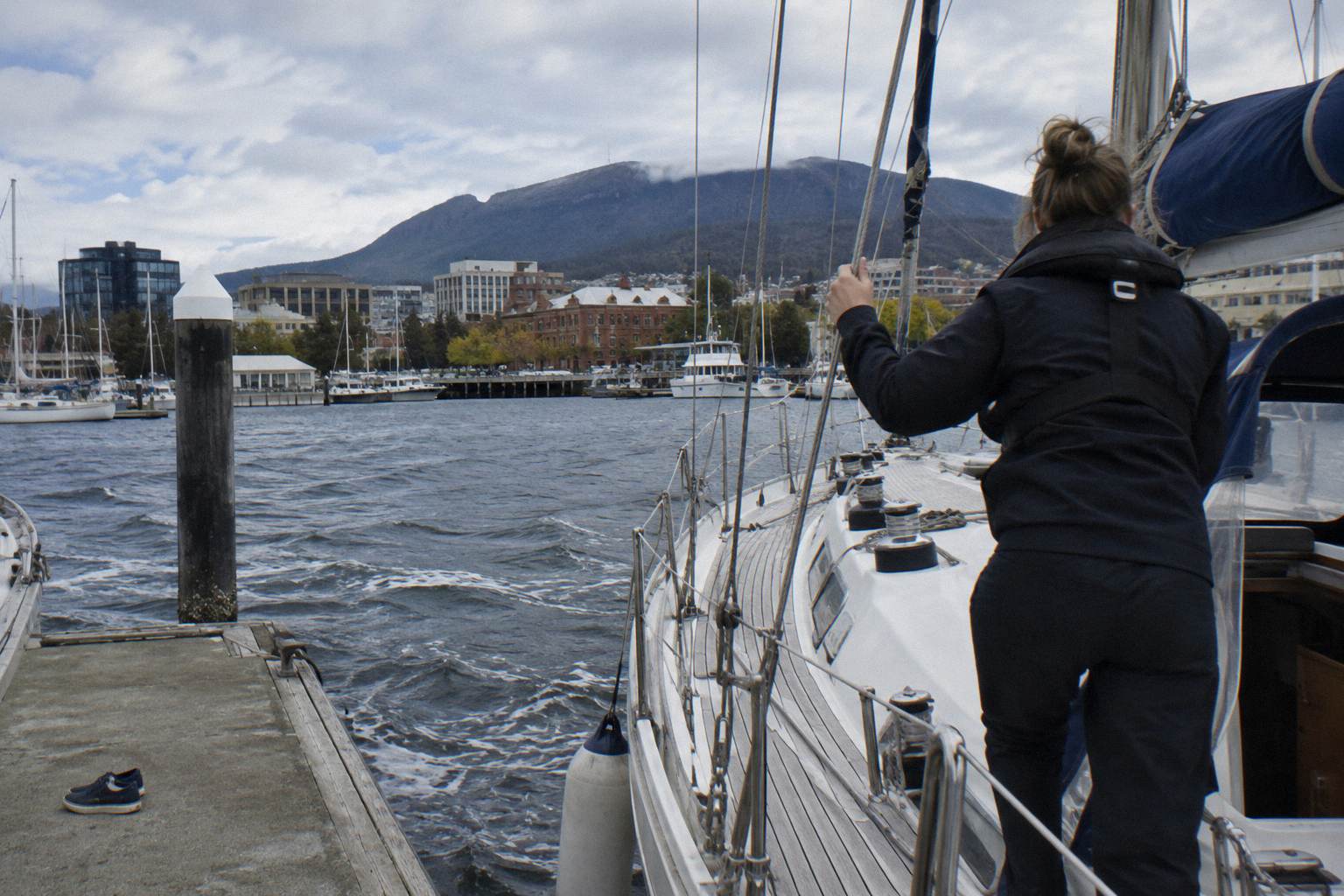
Families may find the harbour sail the easier fit, since it keeps everyone inside sheltered water for three hours and the child and infant rates noted above soften the cost. One logistics note: the dock's 2-hour parking limit is shorter than the sail itself once the advised 10-minute early arrival is counted, so the all-day car parks listed above are the safer choice.
For February, the calendar does visitors a favour: the Wooden Boat Festival and the Royal Hobart Regatta overlap on three days, 6 to 8 February 2027, so one visit across that window can catch both. In late December, plan the day around Hobart itself and treat any race finish as a bonus rather than a fixed appointment.
Common Mistakes When Reading The 1998 Race Record
The common mistakes are treating 1998 as typical, treating the death toll as a safety statistic for sailing generally, and quietly assuming that a modern ocean race and a harbour sail carry comparable exposure. The record supports none of those readings. The numbers are 6 dead, 115 starters and 44 finishers, from one storm in one edition, in open ocean. Anything beyond that frame goes past what the sources state.
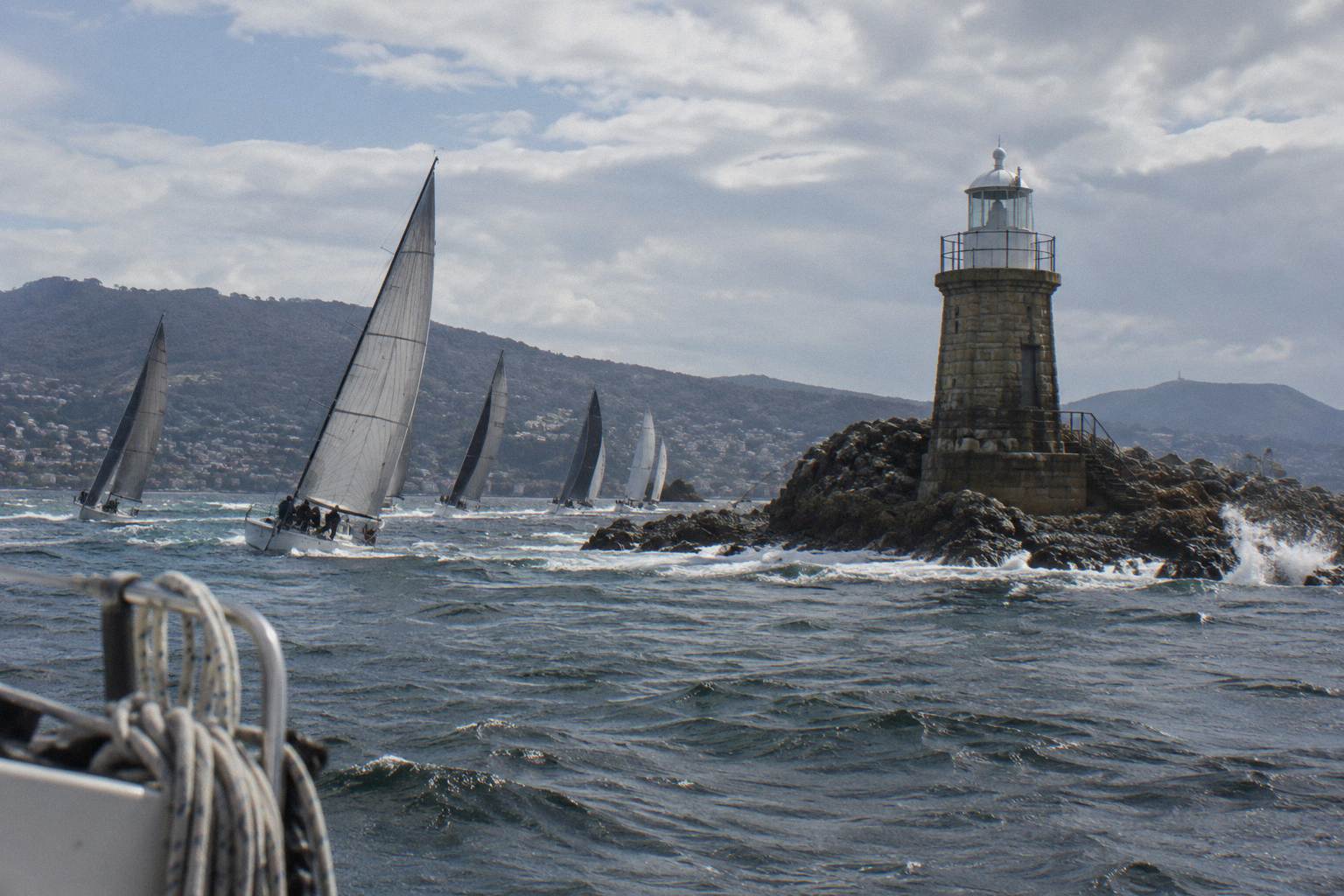
A few specific traps catch readers:
- Extrapolating from one edition. 1998 is the race's worst outcome, not its average. Most editions finish without loss of life.
- Confusing the two environments. Bass Strait and the Derwent estuary are different bodies of water with different exposure. The 1998 deaths occurred in open ocean.
- Reading safety into cancellation policy. A 24-hour free-cancellation window and a skipper who cancels in bad weather describe a decision process, not a guarantee. No operator statement, and nothing on this site, promises that a day on the water is safe.
- Assuming the storm was forecast. Part of the 1998 story is that conditions exceeded what forecasts of the day indicated. Modern forecasting, race rules and boat equipment all changed after it.
- Blurring sail and cruise. The Helsal IV trip is a sail with a diesel auxiliary; the Pennicott days are motor cruises. A reader choosing between them is choosing between two different products, not two versions of one.
The cleanest habit is to keep the two questions separate. What happened in 1998 is a matter of record, answered above. Whether a harbour sail suits a nervous visitor is a separate question, answered by the operator's own statements about sheltered water, weather calls and cancellation, and by honest reading of what those statements do and do not promise.
Common Questions About The 1998 Sydney To Hobart Race
How Deadly Was The 1998 Sydney To Hobart Yacht Race?
Six sailors died, and only 44 of the 115 boats that started reached Hobart. It was the deadliest edition of the race ever held, the result of a single storm that struck the fleet in Bass Strait and the Tasman Sea on the first night at sea.
How Many Died From Sydney To Hobart In 1998?
Six sailors died in the 1998 race. The deaths came from multiple boats during the storm, not one incident, and the figure is the confirmed total in the organising club's official recap of the edition.
What Was The Deadliest Sydney To Hobart Yacht Race Ever?
The 1998 race. No other edition of the race has a comparable loss of life. Other years have seen storms and mass retirements, but 1998 stands alone, and it also triggered the race's largest rescue operation.
Does The 1998 Race Mean Sailing In Hobart Is Dangerous?
No such conclusion follows from the record. The 1998 deaths occurred in open ocean during an offshore race of 628 nautical miles. A three-hour harbour sail on the Derwent is a different activity in sheltered water, with a professional skipper who, per the operator's FAQ, cancels if the weather is too bad. No day on the water is risk-free, and this page makes no safety claim.
What Happens If The Weather Turns Bad On A Harbour Sail?
The operator's FAQ says the skipper cancels if the weather is too bad, and a gale forecast has cancelled a sail the day before. If weather makes the sail unsafe, the booking-page terms are reschedule or a full refund, and free cancellation applies up to 24 hours before the trip.
Has The Race Changed Since 1998?
Yes. The 1998 storm led to a wholesale tightening of offshore safety standards, mandatory equipment rules and crew experience requirements, which still govern the race today. The 2026 edition starts on Saturday 26 December 2026 at 1:00 pm AEDT from Sydney Harbour over the same 628 nautical mile course.