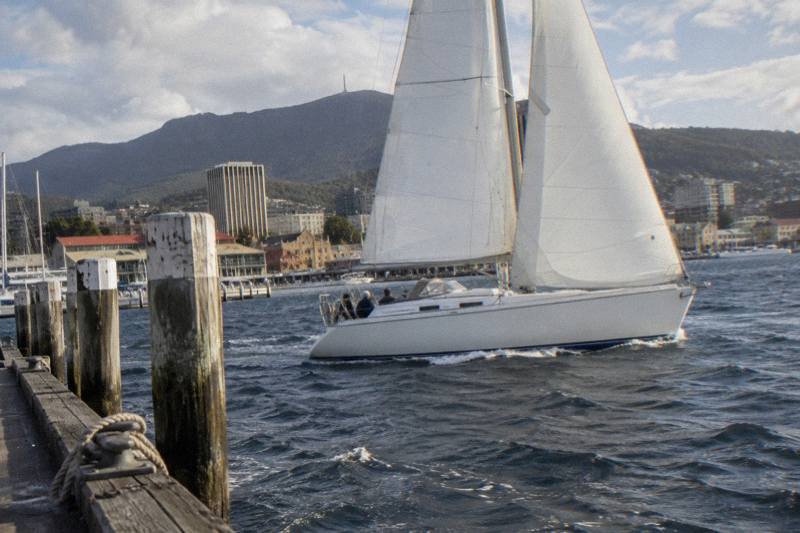
How Expensive Is Learning To Sail?
A plain-language look at what learning to sail in Hobart costs, how club courses compare with a guided sail on the Derwent, and what to ask before you commit.
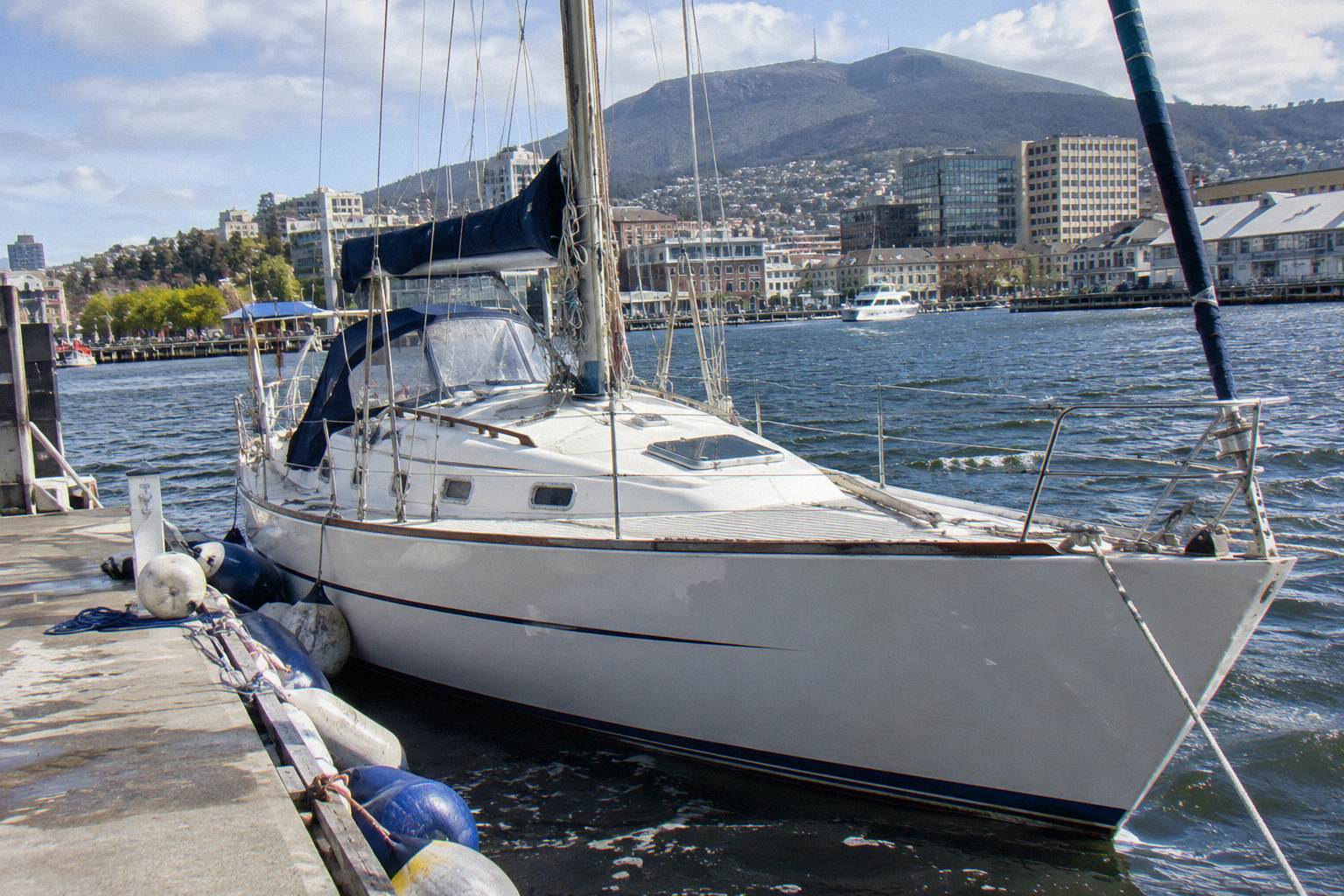
In short: Learning to sail in Hobart runs along two paths. Club courses through the Royal Yacht Club of Tasmania, Sandy Bay Sailing Club, Bellerive Yacht Club and the Derwent Sailing Squadron offer structured, certificate-backed training for adults and children; each club lists its current member and non-member fees, and because the source material states no currency for those figures, no amount appears on this page. The alternative is a guided three-hour sail on the yacht Helsal IV, from US$115 per person on the booking page, which gives you a taste of yacht sailing with instruction if you want it, but no certificate.
For more on the wider scene, see the Hobart Sailing homepage.
| Quick Facts | Detail |
|---|---|
| Structured learning | Club courses at four Hobart clubs |
| Course formats | 3 to 4 hour sessions, 2 day courses, nine Sunday mornings |
| Certificates | Australian Sailing Start Crewing, Start Sailing 1 and similar |
| Children's entry point | Tackers, ages 7 to 12; Little Tackers 4 to 6 |
| Guided alternative | Helsal IV, 3 hours, from US$115 per person on the booking page |
| Helsal IV rating | 4.9 out of 5 across 89 reviews |
| Meeting point | Kings Pier Marina, 2 Franklin Wharf |
| Cancellation | Free up to 24 hours before on the booking page |
Learning to sail in Hobart carries two very different price tags. Structured club courses cost whatever each club currently charges; clubs publish their current member and non-member fees directly, alongside course descriptions, durations and age bands, though no fee figure carries a stated currency here. A guided taste is clearer: the three-hour Hobart Sailing Experience aboard Helsal IV starts at US$115 per person, with free cancellation up to 24 hours before.
The question hides a fork most first-time sailors meet within a week of searching. One branch is education: an Australian Sailing accredited course, run at a club, with a syllabus, an instructor and a certificate at the end. The other branch is experience: you step aboard a yacht, a professional skipper and crew run the boat, and you can take the helm or trim a line if you want to. Neither branch is wrong. They simply buy different things, and mixing up the two is the most common way people overspend on their first season.
Course costs behave differently from experience costs. A club course price buys multiple sessions, equipment such as boats and life jackets, and a nationally recognised pathway that later courses build on. A guided sail price buys three hours on the water with snacks and non-alcoholic drinks included, sailing instruction if you want it, and commentary, with no progression attached. Comparing the two numbers head to head is misleading, and this page will not do it; instead it sets out what each path contains so you can weigh them yourself.
A useful middle position exists, and Hobart is well set up for it. Many people take a guided sail first, discover they enjoy it, then enrol in a Start Crewing course at a club. The guided sail answers the question "do I like this at all" for the price of an afternoon. The course answers "do I want to be competent at it". If you already know you want the competence, skip straight to the club section below.
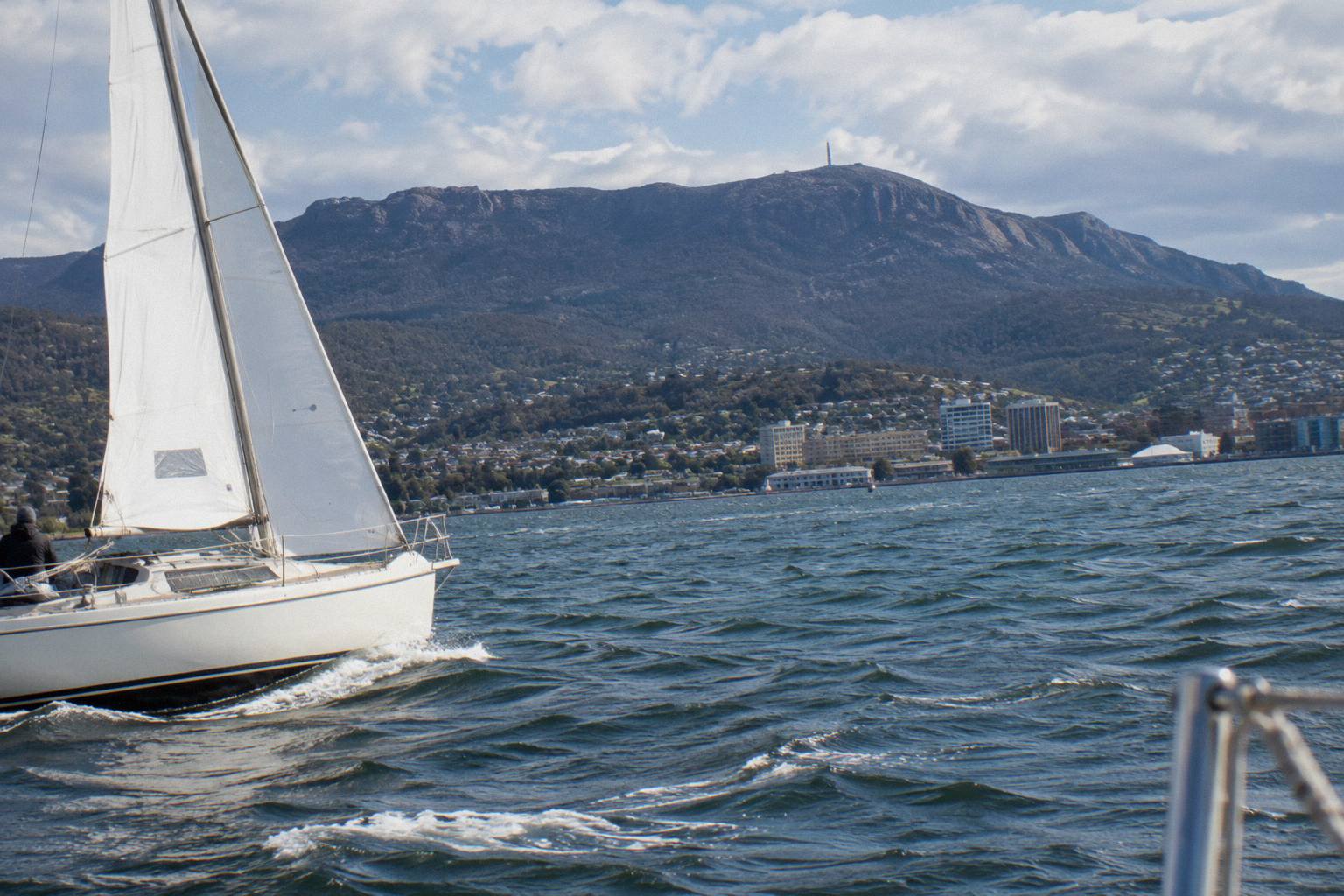
If the guided route sounds like the right first step, these are the three options most visitors weigh:
How Expensive Is Sailing School?
Each Hobart club sets and publishes its own course fees, and since the source material lists no currency for any figure, this article quotes no specific price, range, or rate. What can honestly be compared is structure: courses run from a single 3 to 4 hour Discover Sailing session to a twelve hour Start Crewing course over 2 days, with Tackers programs for children spanning nine Sunday mornings at Bellerive Yacht Club.
Four clubs around the Derwent teach beginners, and each structures its pathway slightly differently. The Royal Yacht Club of Tasmania in Sandy Bay offers Discover Sailing sessions of 3 to 4 hours covering a safety briefing, rigging a boat, a sail session and a visit to Kings Pier, plus an Australian Sailing Crew and Helm course delivered over 3 sessions on the club's Young 88 keelboat. Its learn to sail pages list the current sessions. Sandy Bay Sailing Club runs adult Learn to Sail built on Australian Sailing Start Sailing 1 in Pacer dinghies, with a member and a non-member rate, and a certificate on completion; its learn to sail programs page carries the details.
Bellerive Yacht Club runs Tackers 2 for ages 7 to 12 over nine Sunday mornings, and Start Crewing, the Australian Sailing keelboat course, over 2 days. The Derwent Sailing Squadron, through its SailTrain program, delivers Start Crewing as 12 hours across 2 days, with a certificate and equipment provided. Children enter through Tackers, the national program for ages 7 to 12, with Little Tackers for ages 4 to 6 also existing, and Optimist and Sabot dinghies often started around ages 6 to 9.
| Club | Course | Format and duration | Age band | Included | Certificate |
|---|---|---|---|---|---|
| Royal Yacht Club of Tasmania | Discover Sailing | 3 to 4 hours, one session | Adults and beginners | Safety briefing, boat rigging, sail session, Kings Pier visit | Not stated |
| Royal Yacht Club of Tasmania | Crew and Helm course | 3 sessions on a Young 88 keelboat | Adults | Keelboat instruction | Australian Sailing course pathway |
| Sandy Bay Sailing Club | Learn to Sail (Start Sailing 1) | Multi-session, Pacer dinghies | Adults | Dinghy instruction, member and non-member rate options | Certificate on completion |
| Sandy Bay Sailing Club | Cadet Learn to Sail | Multi-session dinghy program | Ages 9 to 17 | Dinghy instruction | Not stated |
| Bellerive Yacht Club | Tackers 2 | Nine Sunday mornings | Ages 7 to 12 | Boats and life jackets typical of Tackers | Tackers pathway |
| Bellerive Yacht Club | Start Crewing | 2 days | Adults | Keelboat instruction | Australian Sailing Start Crewing |
| Derwent Sailing Squadron (SailTrain) | Start Crewing | 12 hours over 2 days | Adults | Equipment provided | Certificate |
Fees sit outside that table on purpose. Each club lists its current member and non-member fees, and prices, dates and availability change with the season, so ask the club directly for the current figure before you plan a budget. What the table does show is that the real cost differences between clubs are structural: keelboat versus dinghy, hours on the water, and whether a certificate is issued. A cheaper-looking course with fewer water hours may teach less than a longer one at another club; the hourly structure matters more than the sticker.
If your budget is tight or you are still deciding whether sailing is for you, the Bruny Island Wilderness Coast Eco Cruise With Lunch is a different way to spend a day on Tasmanian water from US$195 per person on the booking page. It is a motor-powered wilderness cruise rather than sailing, so it teaches nothing about handling a boat, but it is a full day of about 9.5 to 10 hours including a 3-hour cruise, and it rates 4.8 out of 5 across 578 reviews.
Deciding between a course and a first sail is genuinely difficult, and this next question usually settles it:
Is A Guided Sail A Cheaper Way To Start?
Yes, on price alone: the Hobart Sailing Experience lists a from-price of US$115 per person, while club course fees are set by each club and unpublished here, so the comparison is only half visible. That price buys a taste rather than a qualification: three hours on Helsal IV with a professional skipper and crew, snacks, tea, coffee and water, optional sailing instruction and commentary, but no certificate at the end.
Helsal IV is a serious yacht, which is part of why the sail works as an introduction. She is a Dynamique 62, 62 feet or 18.65 metres, a cruiser-racer designed by Philippe Briand and built in France, and she has taken part in several Sydney to Hobart races. The operator, Hobart Yachts, describes harbour sailing as well protected. The sail runs morning or afternoon and is suitable for all ages and experience levels per the operator. Children aged 4 to 17 pay a child rate, infants under 4 travel free on laps, and the operator's own site lists an adult rate and a family rate for 2 adults and 2 children, but states no currency for those figures, so no amount is printed here.
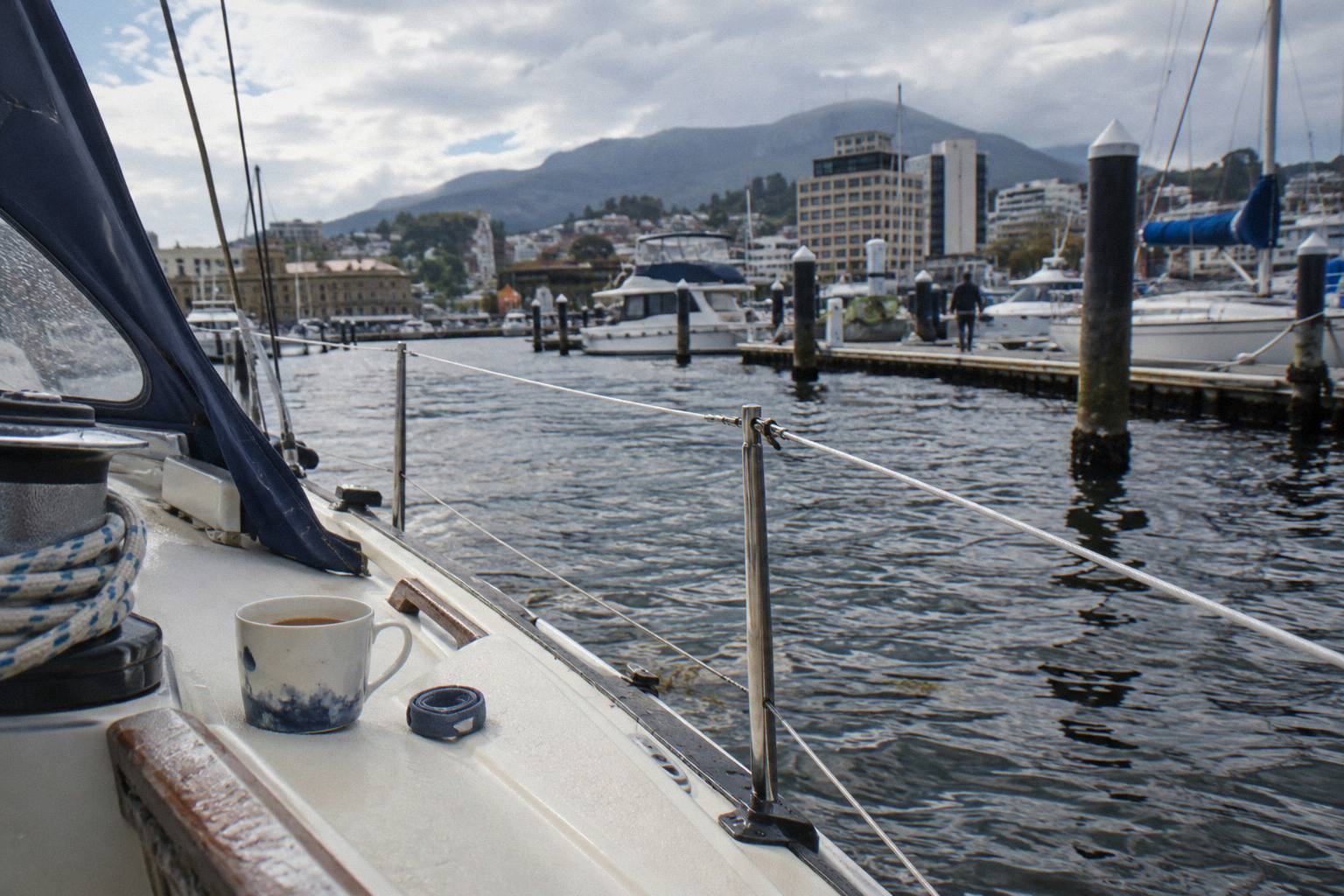
The economics depend on what you would otherwise spend. A club course costs more in total but delivers structured hours, an instructor focused on your progression, and a certificate that later courses recognise. The guided sail costs the price of an afternoon and answers a different question: whether you enjoy being on a yacht at all. Plenty of people spend hundreds on a course, discover they prefer the deck to the tiller, and never sail again. A US$115 afternoon is a cheaper way to find that out.
There are practical details worth knowing before you count the cost. Hotel pickup is not included; you meet at Kings Pier Marina, 2 Franklin Wharf, arriving about 10 minutes early, and Helsal IV is the last boat on the far left of the marina. Parking on the dock is 2 hour or permit only, with the nearest all-day parking at Dunne Place, Evans Street at Macquarie Point, and the Market Place and Argyle Street car parks. Wear flat-soled grippy shoes; bare feet, high heels and thongs are not allowed. Alcohol is not included, with Tasmanian wine and beer on board at regular bar prices. Wet weather gear is not included either, though a few spares are kept on board, so bring your own. The operator's FAQ covers all of this.
| What The Sail Includes | What It Does Not Include |
|---|---|
| Professional skipper and crew | Hotel pickup (meet at the marina) |
| Snacks and non-alcoholic drinks (tea, coffee, water) | Alcohol (Tasmanian wine and beer at regular bar prices) |
| Sailing instruction if you want it | Wet weather gear (a few spares on board, bring your own) |
| Commentary | A certificate or course progression |
| 3 hours on the water, morning or afternoon | Wheelchair access |
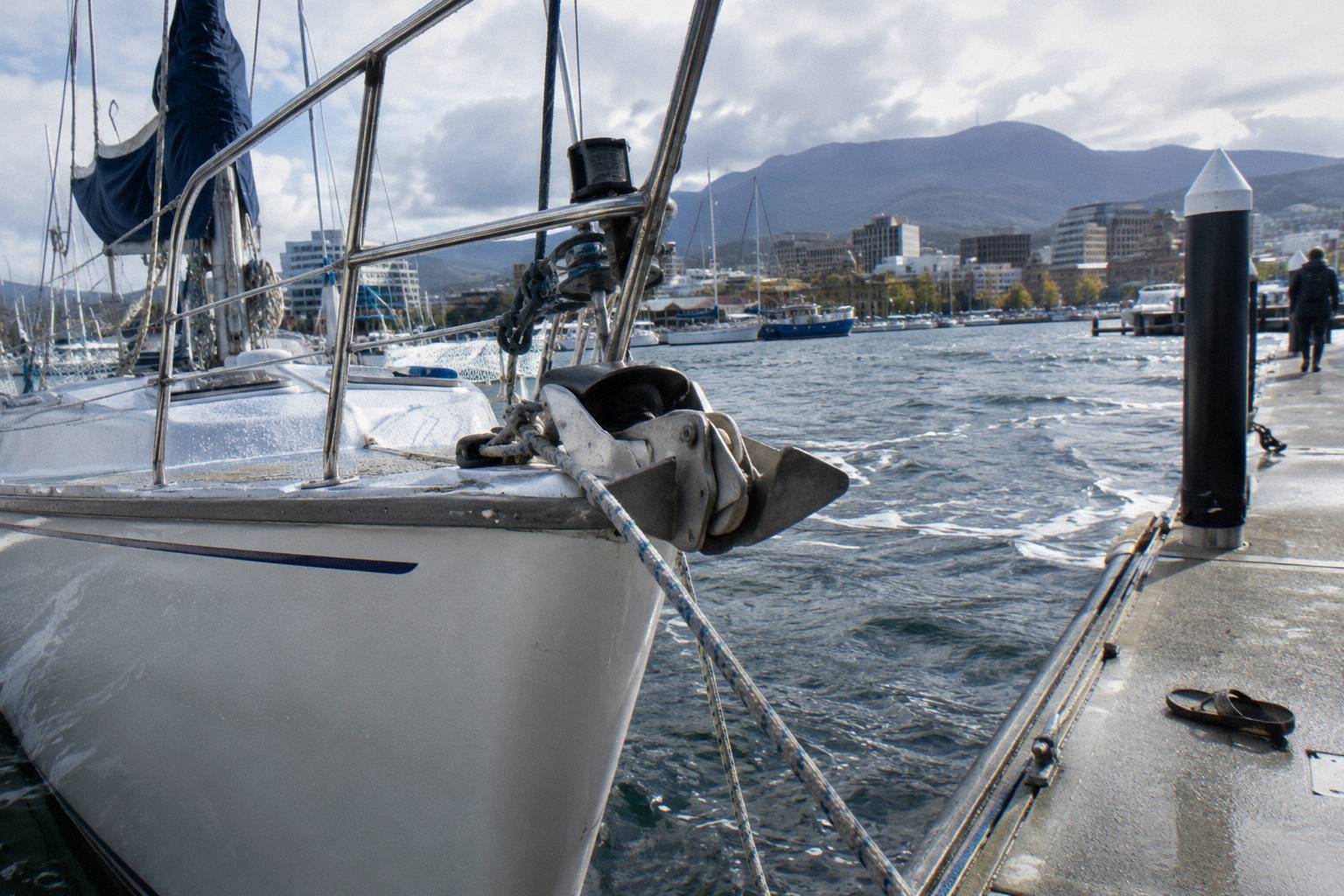
Free cancellation up to 24 hours before applies on the booking page, and if the skipper cancels for bad weather you can reschedule or take a full refund. There is also a minimum of 4 guests for the experience to run; the operator offers a reschedule, a voucher, paying the difference, or a full refund if the minimum is not met. That matters for budget planning, because a low-season booking carries a real, if small, chance of not proceeding as planned. For a fuller breakdown of what the sail itself costs at different ages, the guide to Hobart sailing prices owns that detail.
The guided sail also compares with a longer commitment in the other direction. Beyond the 3-hour experience, the same operator sells multi-day overnight, East Coast and Port Davey sailing adventures direct, outside the booking pages covered here. Those are charters rather than courses, but they show the spending ladder that exists above both club lessons and a single afternoon: taste, then course, then time aboard. You do not need to climb it all at once.
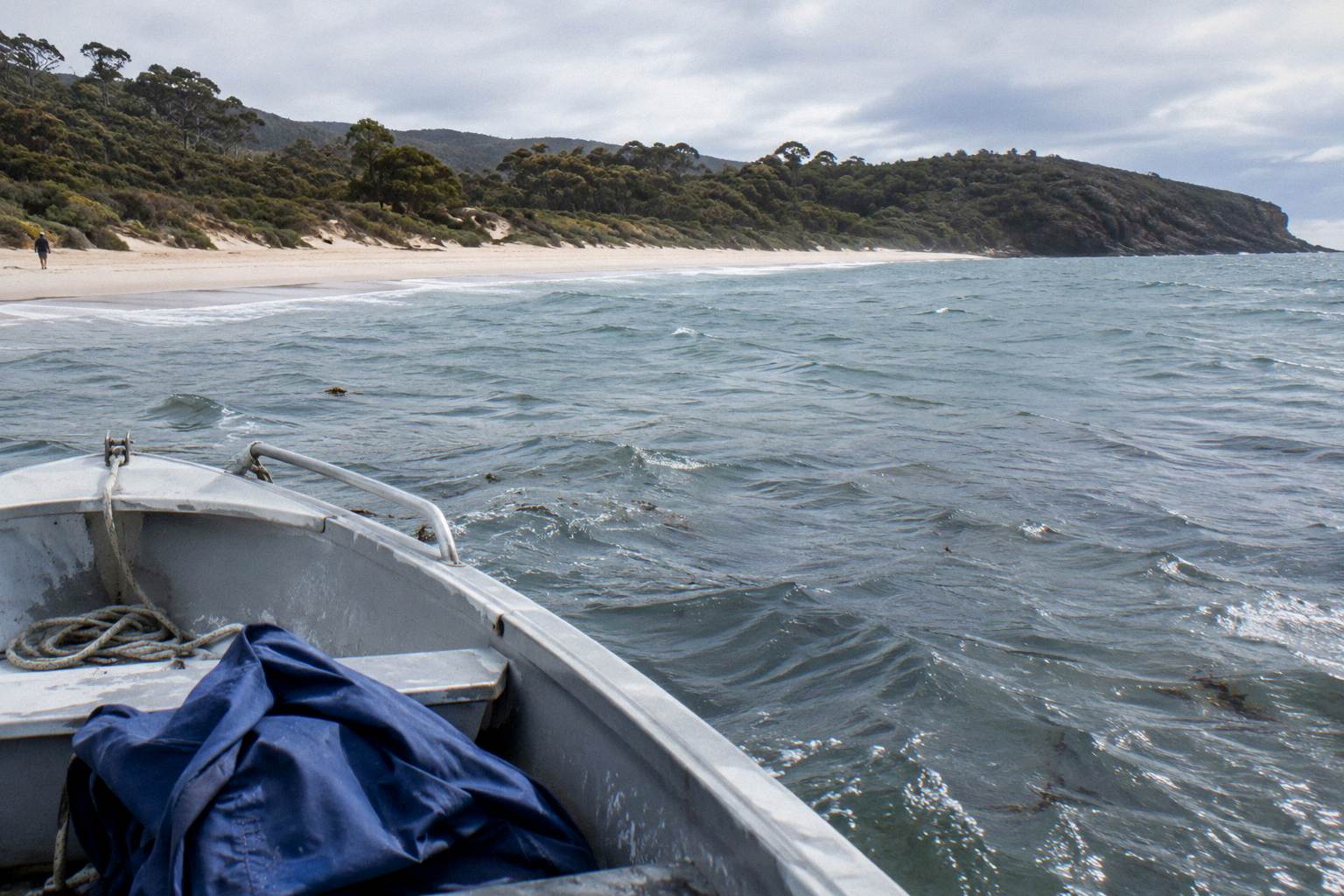
What Should You Ask A Club Before You Book?
Ask five things: the current member and non-member fee for the exact course; how many hours are on the water versus ashore; what boats you will train on; whether a certificate is issued and which one; and what happens to your fee if weather cancels a session. Every Hobart club publishes course structure but the fee, the cancellation terms and the season calendar change, so the club's own answer at booking time is the only one that counts.
The fee question needs to be precise. Sandy Bay Sailing Club, for instance, lists a member and a non-member rate for its adult Learn to Sail course, which means joining the club can change the arithmetic across several courses. Ask whether the non-member rate includes temporary membership, and whether completing a course unlocks member pricing on the next one. Also ask what the fee includes beyond instruction: at the Derwent Sailing Squadron's SailTrain, equipment is provided; with Tackers programs, boats and life jackets are typically part of the package. If a course expects you to supply gear, that is a separate cost line the course fee will not show.
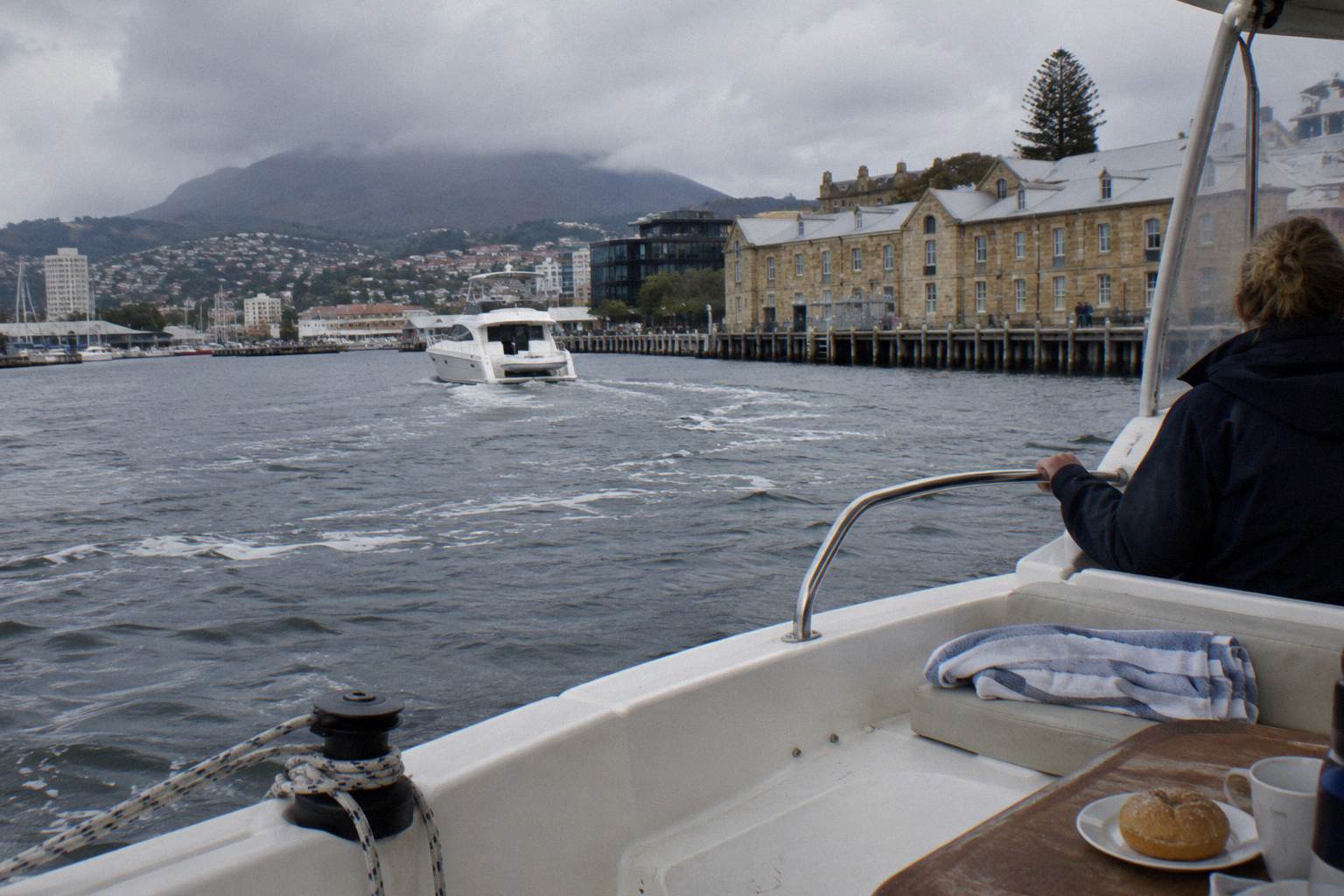
Water hours matter more than session counts. Two courses can both be called "2 days" while one delivers 12 hours afloat and the other splits time between a classroom and the dock. Ask how the hours divide, and what the ratio of students to instructor is on the water. The Royal Yacht Club of Tasmania's Crew and Helm course runs on a single Young 88 keelboat, which keeps the group small; dinghy courses at Sandy Bay Sailing Club use Pacer dinghies, which usually means more helm time per person in smaller boats. Neither is better; they suit different ambitions.
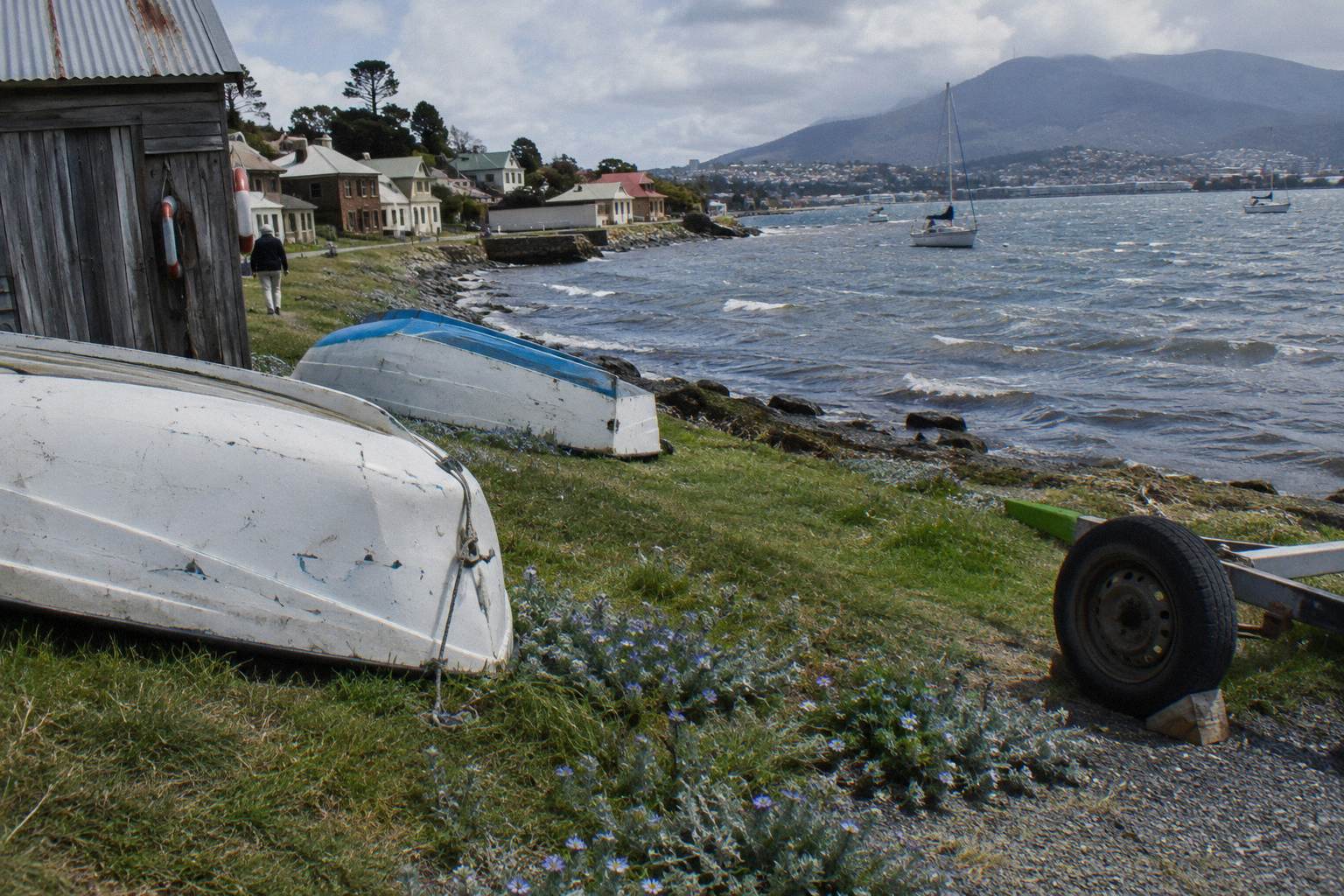
Certificate questions are worth asking exactly. "A certificate" can mean an Australian Sailing Start Crewing completion, which later courses and some clubs recognise, or a club-issued attendance record that carries no national standing. Ask which you get, because if you plan to progress toward keelboat helm or cruising courses, the nationally recognised ones are the ones that stack. For children, ask where Tackers 1 fits if the club only advertises Tackers 2, since programs assume different starting points.
Weather policy is the last question. The Sydney to Hobart fleet's experience in 1998, when 6 died of 115 starters and 44 finished, is the extreme end of what Tasmanian weather can do. Ask whether a weather cancellation moves your session or forfeits the fee, and what the cut-off is. The race site's people pages are a reminder that age is no barrier to this sport, with participants noted into their 80s, so the right question is never whether you are too old, only what happens when the forecast turns.
What Extra Costs Sit Beyond The Course Or Ticket?
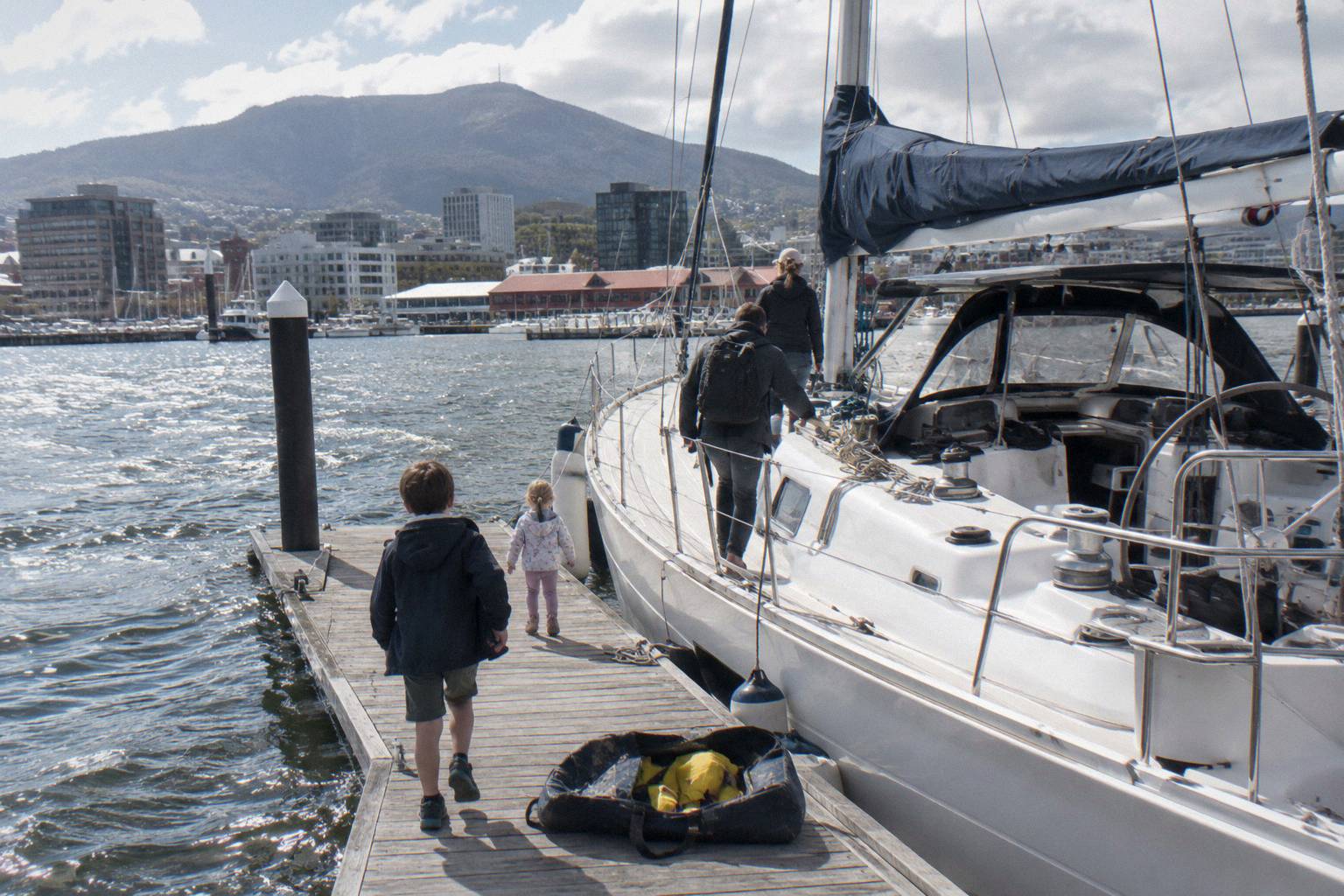
Beyond the course fee or your sail ticket, the small costs that catch people out are getting there, drinking on board and footwear. The operator states that parking on the dock itself is limited to 2 hours or permit only, so if your sail runs three hours you need an all-day car park further out. Drinks are sold at regular bar prices, not included in the fare. And shoes matter: flat-soled and grippy is the stated rule.
Start with the car. The nearest all-day parking, according to the operator, is at Dunne Place on Evans Street at Macquarie Point, plus the Market Place and Argyle Street car parks. That walk to King's Pier Marina adds a few minutes each way, so build it into your timing rather than circling the dock hoping a short-term spot appears. If you are staying in central Hobart, the waterfront is close enough that walking or a short ride may be simpler than parking at all.
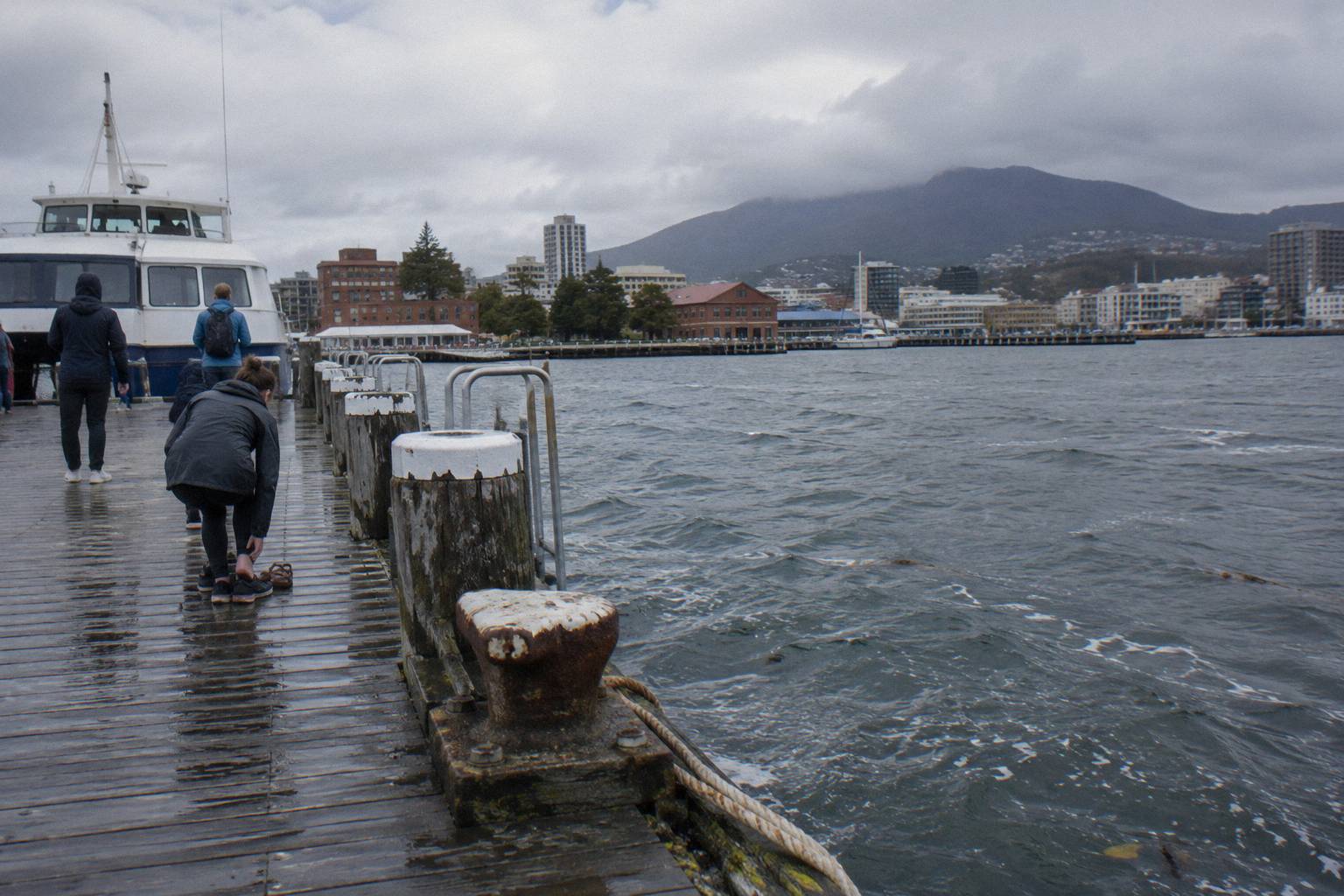
On board, the bar is a separate line on the bill. The operator lists Tasmanian wine and beer at regular bar prices, so a drink or two is an optional extra rather than part of your fare. Wet weather gear is only available in limited spare sizes, so if the forecast looks damp, bringing your own jacket costs nothing and removes the risk. Footwear is the other practical point: flat-soled, grippy shoes are the stated requirement, and bare feet, high heels and thongs are not allowed, so check your bag before you leave the hotel.
For the course path, clubs publish their member and non-member fees separately, and the source material states no currency for those figures, so treat any number you see on a club page as the authority rather than a figure quoted here. One more cost lever sits with group size: the operator requires a minimum of four guests for the Hobart Sailing Experience to run, and if numbers fall short, the options listed are a reschedule, a voucher, paying the difference or a full refund. Read the cancellation terms on the booking page before you pay, because the free-cancellation window closes 24 hours before departure.
Common Mistakes When Planning To Learn To Sail In Hobart
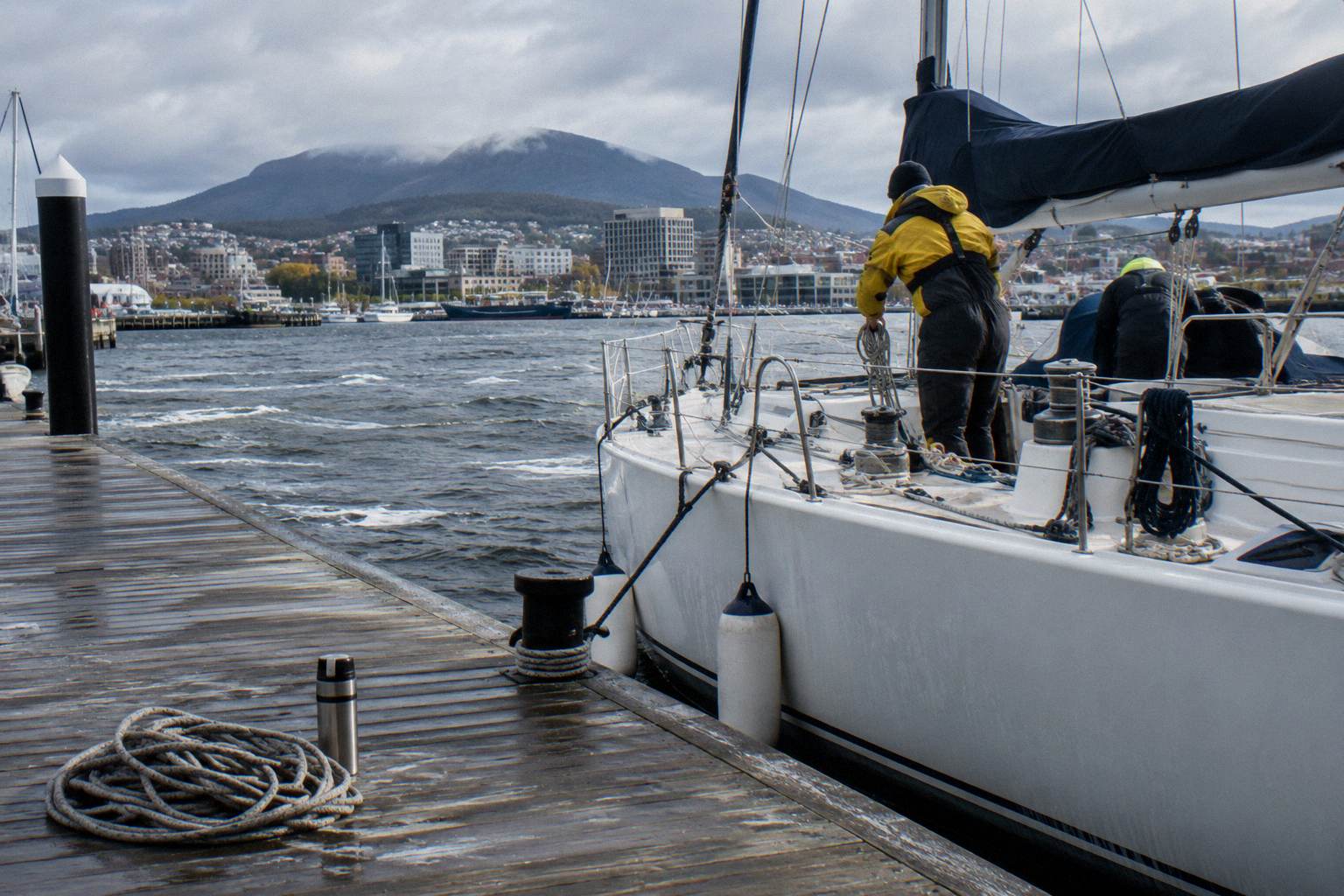
The four expensive mistakes are comparing club fees with experience prices as if they were the same product, booking a children's course at the wrong age band, assuming gear is included, and forgetting that Hobart's season and weather move dates. Each one costs money or a wasted term. Every one is avoidable with a single question to the club or operator before you pay.
The comparison mistake is the most common. A club course and a guided sail are different purchases: one is education with a certificate, the other is an afternoon on a yacht with instruction available. Treating the US$115 from-price of the Helsal IV sail as a "cheap course" leads to disappointment, and treating a course fee as "expensive compared to a sail" ignores that the course delivers structured hours and progression. Decide which product you want first, then compare like with like: courses against courses at different clubs, experiences against experiences.
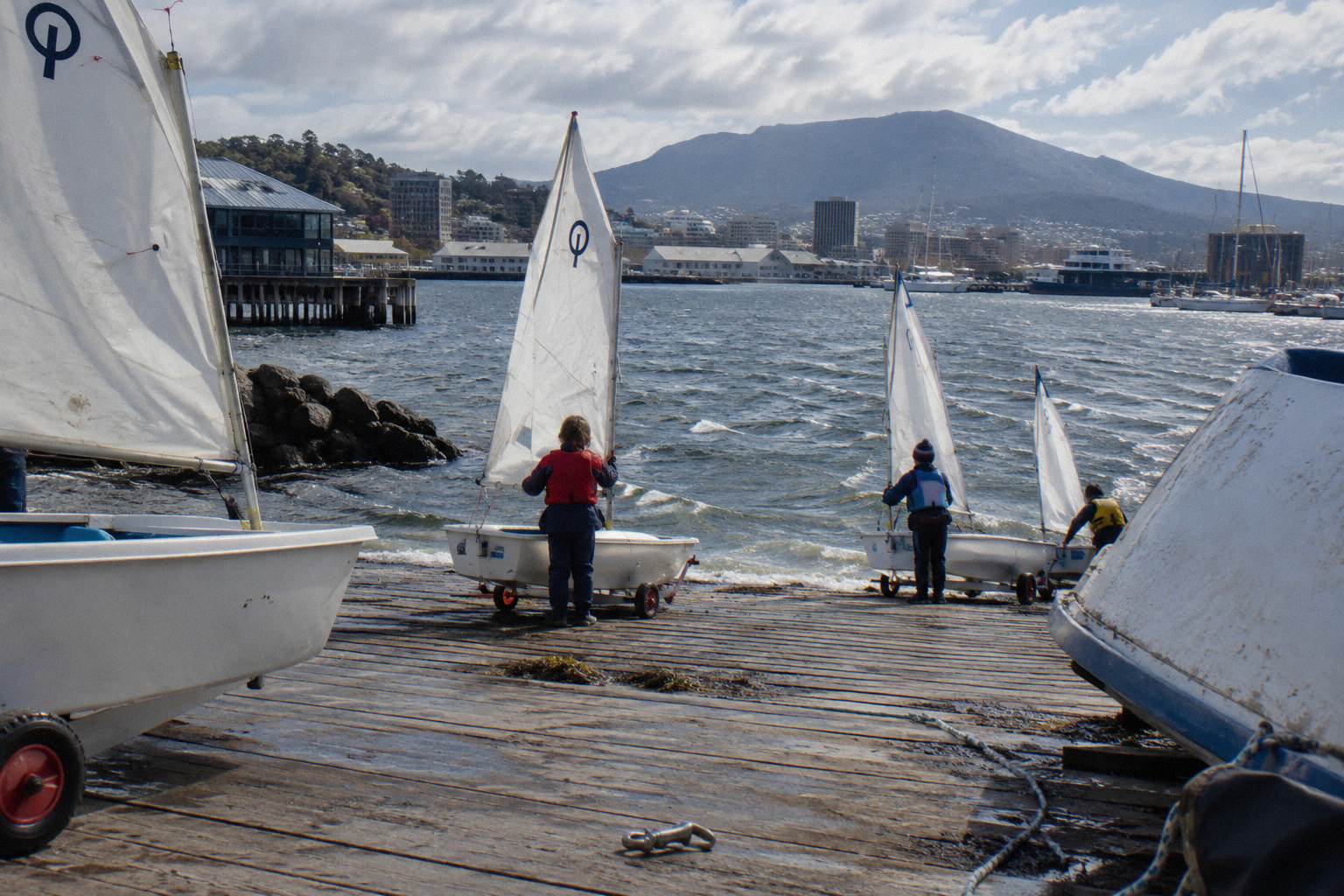
The age-band mistake catches families. Tackers runs for ages 7 to 12, Little Tackers for 4 to 6, Cadet programs at Sandy Bay Sailing Club start at 9, and adult courses assume beginners of any age. Booking a keen 8 year old into a Cadet dinghy program, or a 13 year old into Tackers, means a refund request or a term in the wrong boats. The gear mistake follows it: Tackers provides boats and life jackets, SailTrain provides equipment, but adult dinghy courses at some clubs expect you to own a wetsuit or buoyancy aid sooner or later. Ask before the first session, not after.
The season mistake is quieter. Operator-stated season for the sailing experience runs September to May, and club calendars follow the summer term, so a Hobart visit in July, when the mean maximum sits at 11.9 °C per the Bureau of Meteorology table, may find no beginner course running at all. The same table shows mean maxima of 21.8 °C in January and February. The Wooden Boat Festival runs 5 to 8 February 2027 and the Royal Hobart Regatta 6 to 8 February 2027, both on that summer weekend. If your learning window is fixed by travel dates, check the club calendar before anything else.
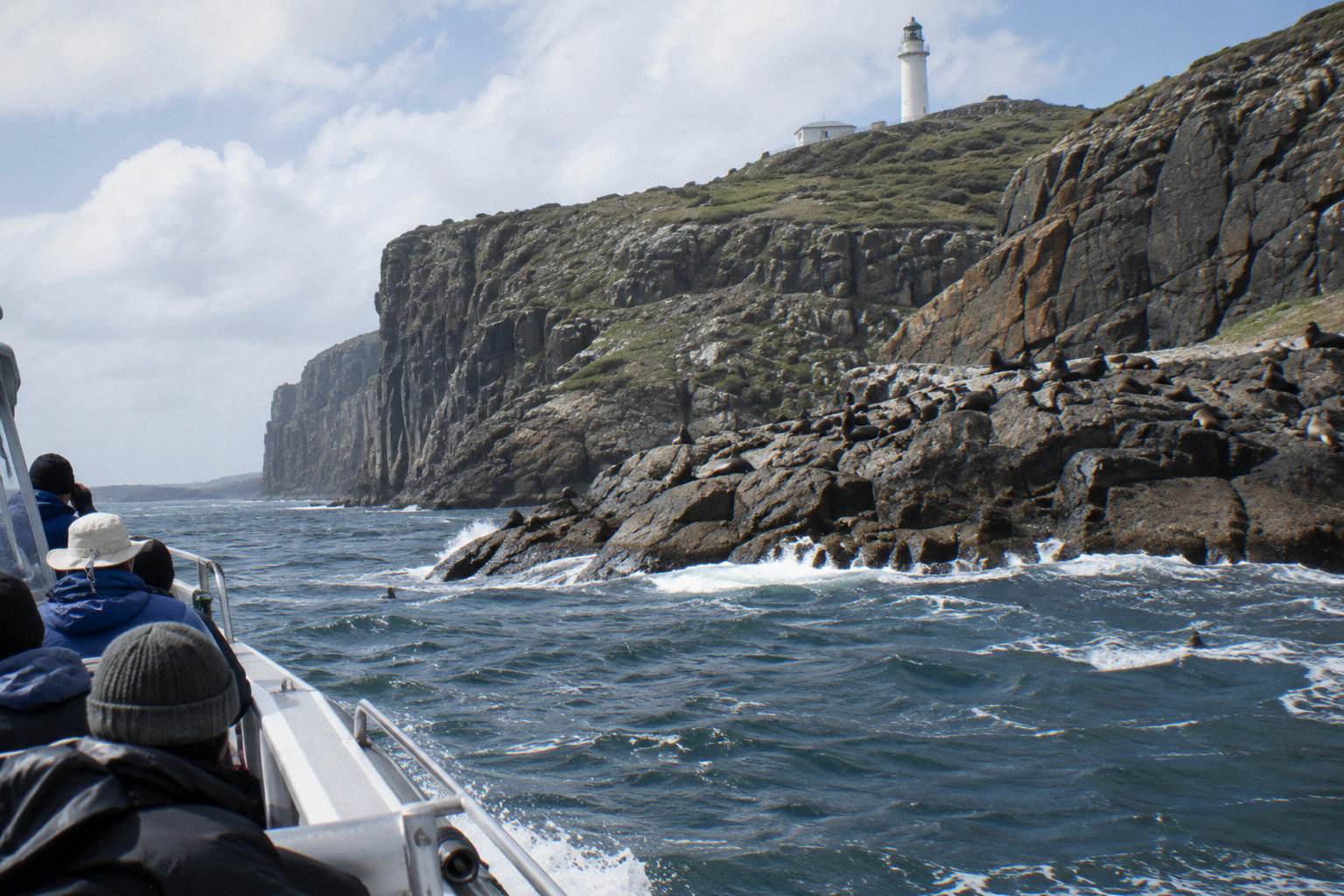
One planning note for families mixing interests: if part of your group wants sailing and part wants a full day of coastal wilderness, the Tasman Island Cruises Day Tour From Hobart is about 10.5 hours with hotel pickup not included, departing from Franklin Wharf with a 7:15 am check-in. It has no printed price or rating, so ask the operator for current figures. For the difference between sailing and motor cruising generally, the sailing versus wilderness cruise comparison covers the decision in full.
Common Questions About Learning To Sail Costs
How Expensive Is Learning To Sail?
It depends on the path. Club courses in Hobart are priced by each club, which lists its current member and non-member fees; no club amount appears on this page because the source states no currency. A guided taste of sailing, the three-hour Hobart Sailing Experience on Helsal IV, is from US$115 per person on the booking page, with free cancellation up to 24 hours before.
How Expensive Is Sailing School?
Sailing school costs are set per course by each club and change with the season, so ask the club for its current fee. Structure is comparable across clubs: adult beginner courses run from a 3 to 4 hour Discover Sailing session to a 12 hour Start Crewing course over 2 days, and children's Tackers programs run over nine Sunday mornings at Bellerive Yacht Club.
Is A Guided Sail Cheaper Than A Course?
The guided sail has a lower printed entry price, from US$115 per person on the booking page, but it buys an experience rather than a qualification. It includes a professional skipper and crew, snacks and non-alcoholic drinks, sailing instruction if you want it, and commentary over 3 hours. A course costs more in total and delivers structured hours, equipment in most cases, and a certificate.
What Is The Cheapest Way For A Child To Start Sailing?
Tackers, the Australian Sailing program for ages 7 to 12, is the standard entry point, with boats and life jackets provided at the clubs covered here. Little Tackers exists for ages 4 to 6, and Optimist and Sabot dinghies are often started around ages 6 to 9. Each club lists its current fees for these programs.
Am I Too Old To Learn To Sail?
No official source states an upper age limit for adult beginners, and clubs across Hobart list adult beginner courses without age caps. The Sydney to Hobart race site notes participants into their 80s. Adult courses such as Start Crewing assume no prior experience.
Does The Helsal IV Sail Teach You To Sail?
Partly. The operator includes sailing instruction if you want it during the 3-hour experience, so you can helm and handle lines under a skipper's guidance. It is a taste of yacht sailing on a 62-foot cruiser-racer, not a certificate course, and the operator's tour page describes it as suitable for all experience levels.