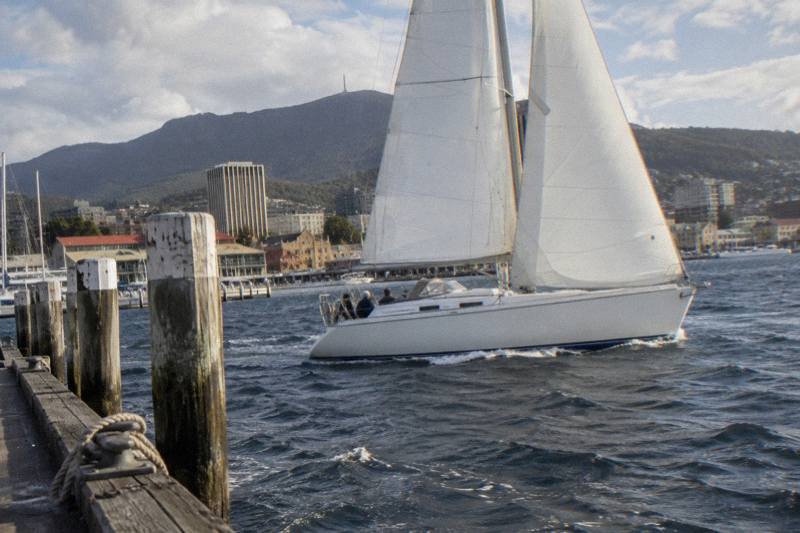
Can You Help Sail The Yacht On A Hobart Sail?
Whether guests can take the helm or trim sails on the Hobart Yachts Helsal IV sail, the hands-on sailing instruction, and how a club course compares.
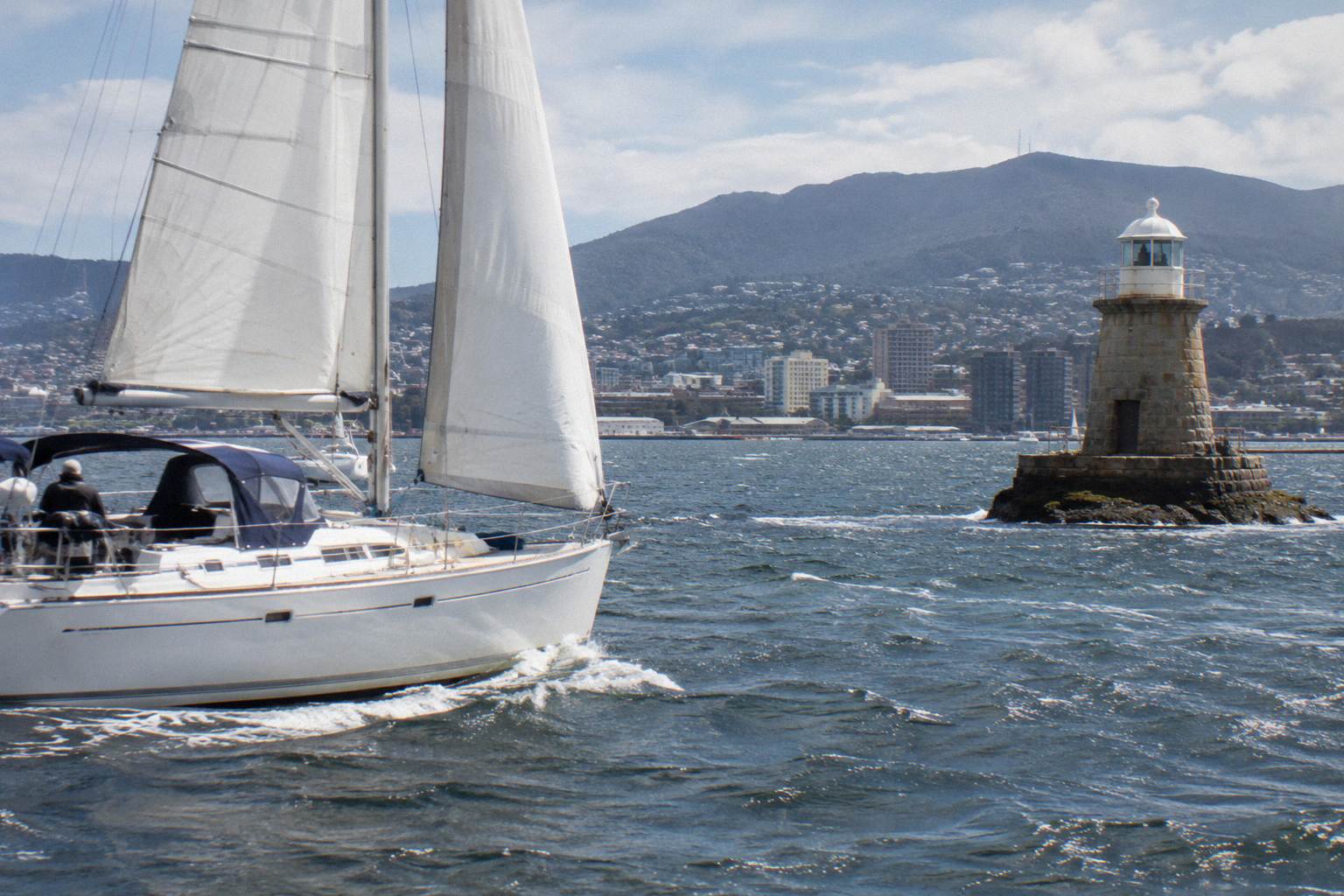
In short: The operator states the sail includes sailing instruction if desired, with a professional skipper and crew on board. Guests may take the helm and help with winching, with sailing instruction if desired, and how much hands-on time there is depends on weather and conditions on the day. If a certificate or real crew training is the goal, club courses in Hobart are the stated path.
Part of the hands-on sailing thread: see the learn to sail options in Hobart.
| Quick Facts | Detail |
|---|---|
| Tour | Hobart Sailing Experience on Helsal IV |
| Operator | Hobart Yachts |
| Vessel | Helsal IV, 62 ft Dynamique 62 cruiser-racer |
| Duration | 3 hours, morning or afternoon |
| Meeting point | Kings Pier Marina, 2 Franklin Wharf |
| From-price | From US$115 per person |
| Hands-on sailing | Instruction listed if desired; helm and winching offered, weather permitting |
| Rating | 4.9 across 89 reviews |
| Cancellation | Free to 24 hours before |
Yes, you can take part: the operator offers guests the chance to take the helm and help with winching, with sailing instruction if desired, and how much hands-on time you get depends on weather and conditions on the day, while a professional skipper and crew run the boat throughout the full 3 hours. If a guaranteed turn at the wheel is your main goal, ask the operator directly before booking or consider a club course instead.
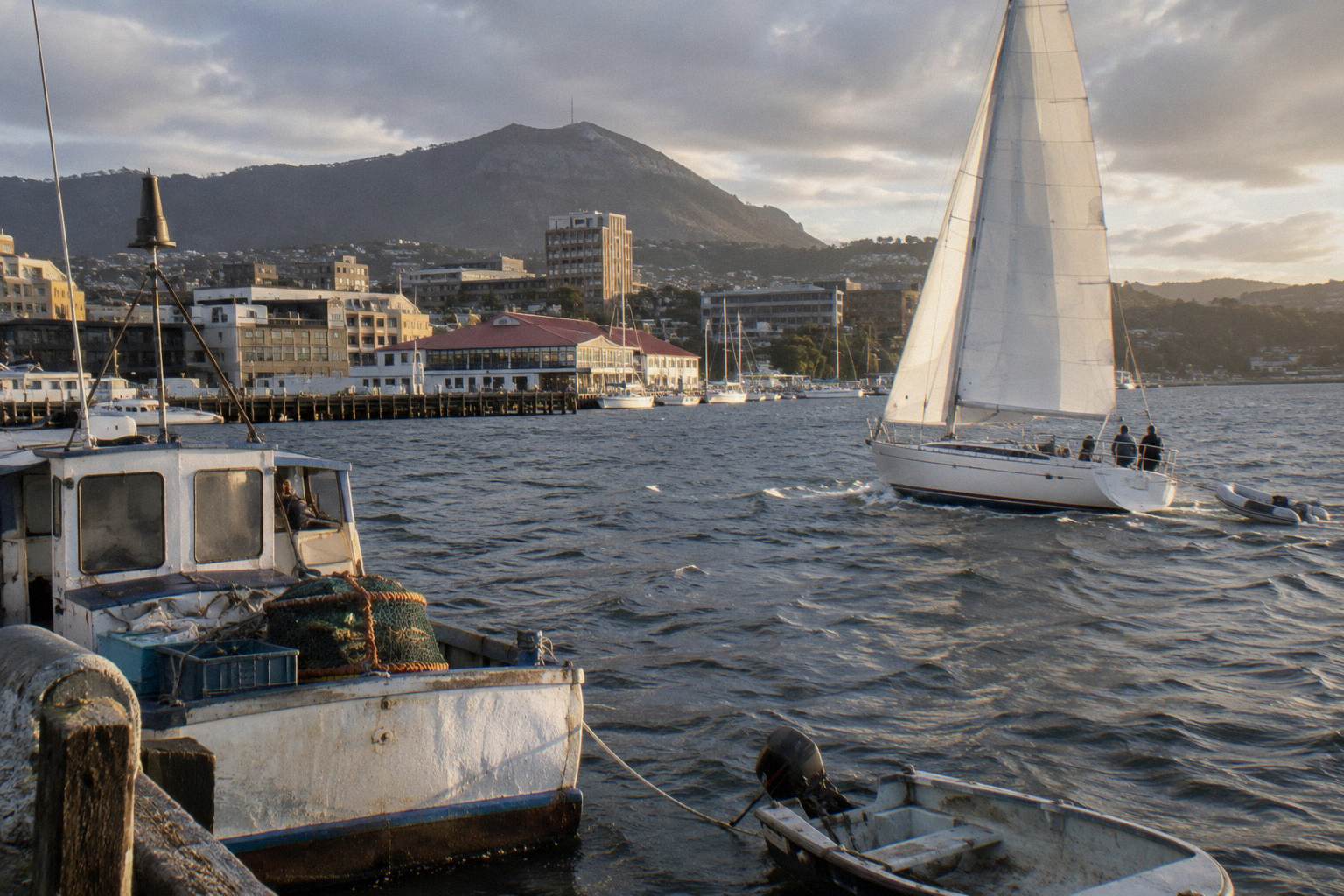
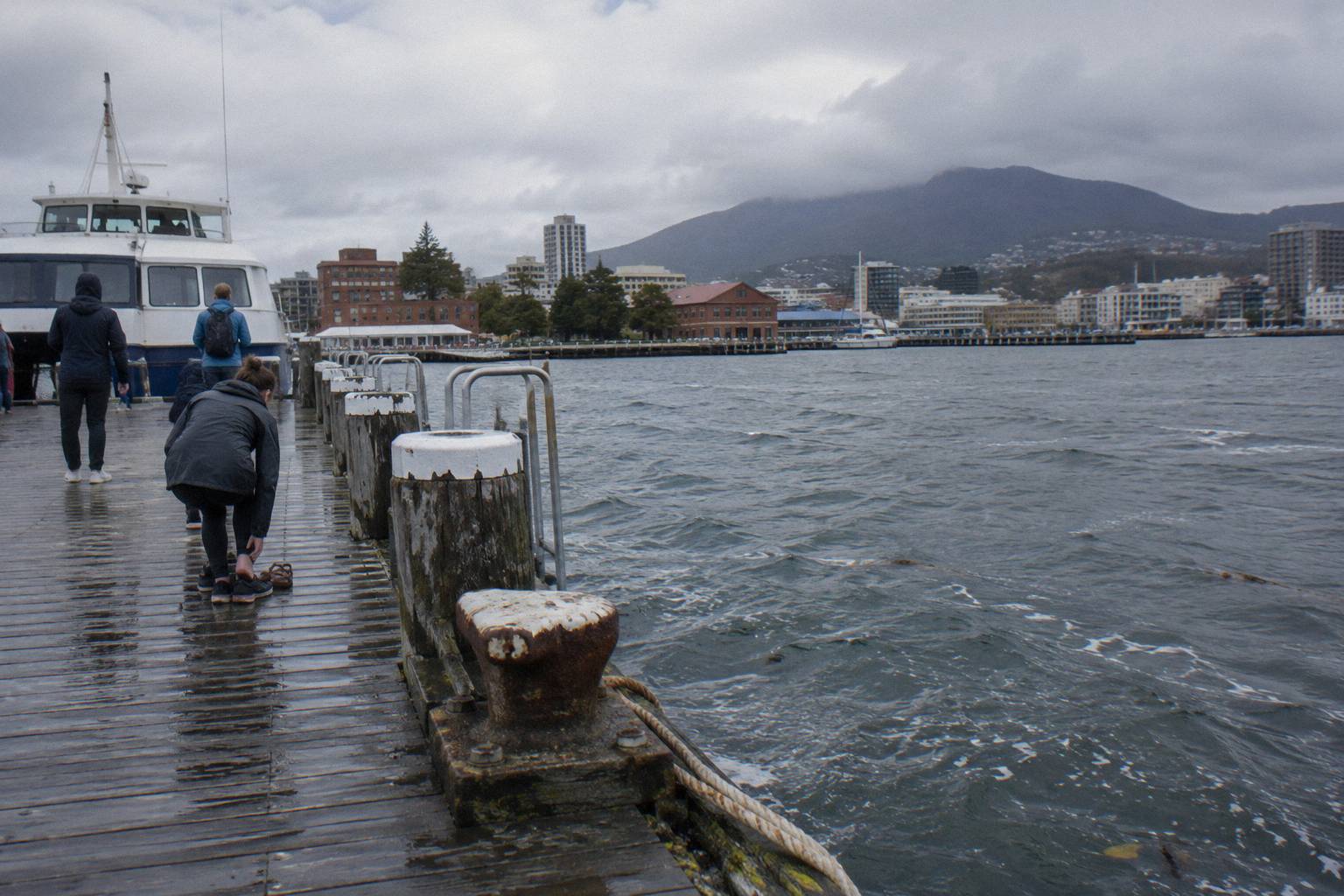
The product in question is the Hobart Sailing Experience, run by Hobart Yachts on Helsal IV, a 62-foot Dynamique 62 cruiser-racer designed by Philippe Briand and built in France. The yacht has taken part in several Sydney to Hobart races and carries a 150 HP diesel auxiliary. She is berthed at Kings Pier Marina, the last boat on the far left of the pier, and the meeting point is Kings Pier Marina, 2 Franklin Wharf, with arrival about 10 minutes early recommended.
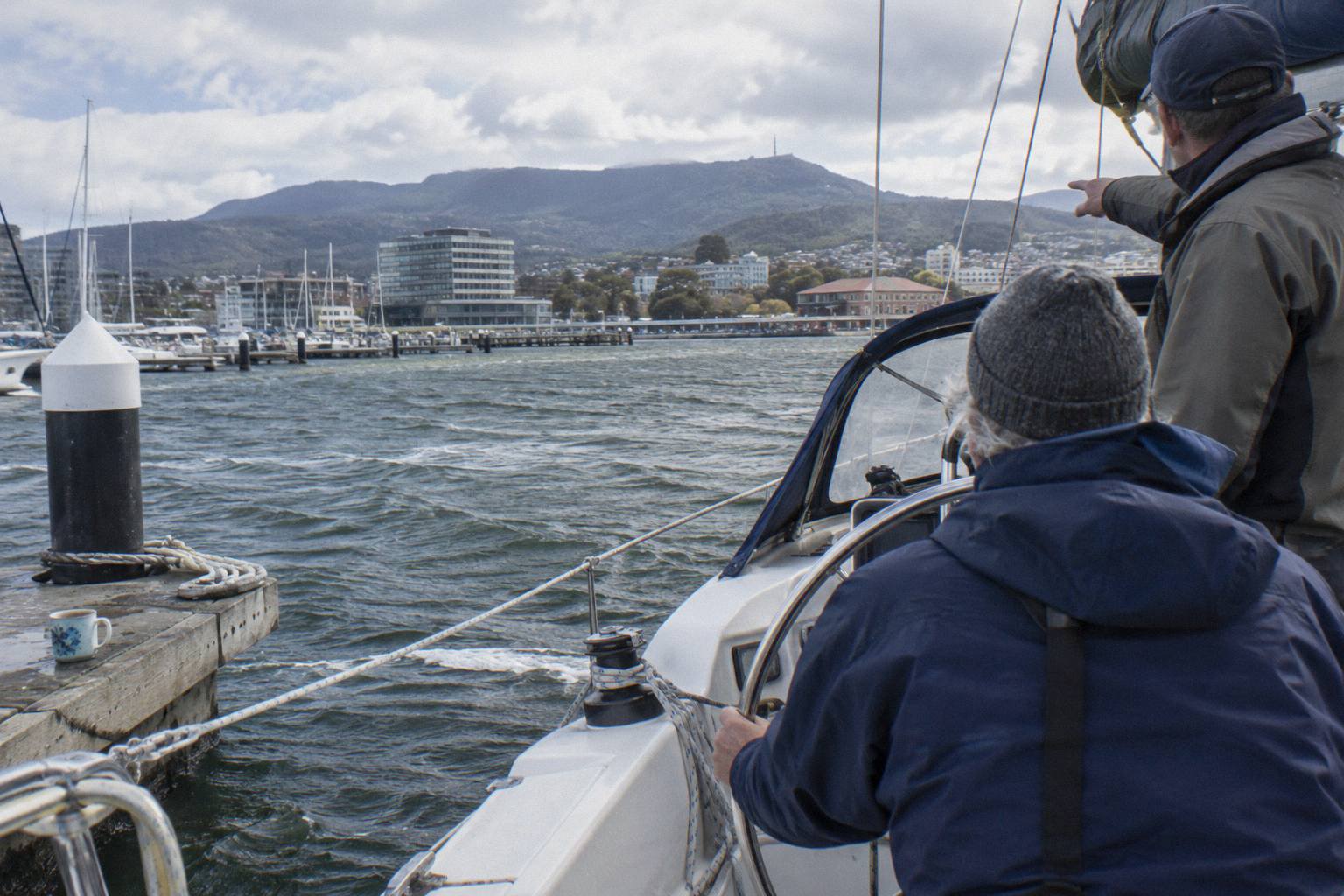
The operator says the trip is suitable for all ages and experience levels, which tells you the sail is not pitched at experienced sailors alone. It includes a professional skipper and crew, snacks and non-alcoholic drinks, commentary, and sailing instruction if you want it. That last clause is the one this page hangs on: instruction is on the menu, but a stated crew role for guests is not. The distinction matters more than it might seem. "Instruction" can mean anything from a skipper explaining what a winch does, to a guest grinding a sheet under supervision, to nothing at all if the weather demands the crew's full attention. Since the operator does not specify, neither should any article claiming to answer this question with a clean yes.
What you should not expect is a guarantee. Weather and wind decide the day, the skipper runs the boat, and no operator material states how long the yacht is under sail versus engine. The operator does offer guests the chance to take the helm and help with winching, with sailing instruction if desired, though how much hands-on time you get depends on the weather and conditions that day. The operator's FAQ is the page that carries the footwear, weather-cancellation and parking details, and it is worth a read before any hands-on expectations are set. The operator's yacht pages add the design and licence background for Helsal IV herself.
What The Sailing Instruction Actually Covers
The sailing instruction is listed as an optional extra rather than a formal course of study, so there is no syllabus spelling out exactly what it covers. Its content follows from that status as a choice: you take it or leave it, and what it involves reflects an informal, option-based framing rather than any fixed program of lessons. The operator's material describes a 3-hour guided sail with a professional skipper and crew, sailing instruction if desired, and commentary. The operator offers guests the chance to take the helm and help with winching, with sailing instruction if desired, though participation on any given day depends on weather and conditions. Treat the instruction as skipper-guided pointers during the sail, and keep expectations conversational rather than contractual. Anything firmer than that is not in the operator's own words, and should not be in anyone's planning.
Think of it as a tasting portion. A 3-hour sail from US$115 per person gives you time on the water, the feel of a 62-foot cruiser-racer moving under a skipper's control, and the chance to ask questions of a crew who race and cruise seriously. It does not, by itself, produce a competent crew member, and it does not claim to. The gap between the two is exactly where the club courses in a later section sit, and the decision between them is really a decision about what you want out of the three hours: an experience on a beautiful boat, or the first rung of a skill ladder.
A useful question to send the operator before booking: on the Helsal IV sail, guests may take the helm and help with winching, with sailing instruction if desired, and how much hands-on time there is depends on weather and conditions on the day. The answer may well depend on the day, the wind, the crew's judgement and the mix of guests on board. A skipper with a full boat of first-timers runs a different day than a skipper with four keen guests, and the minimum of 4 guests for a scheduled departure means group size varies from trip to trip. Asking first costs nothing and avoids disappointment at the dock, and a written answer before booking gives you something concrete to hold onto.
One more stated detail shapes the day: the operator says harbour sailing is well protected, and the skipper cancels if weather is too bad, with reschedule or full refund when that happens. So the sailing you get is the sailing the day allows, and instruction bends around it. That is normal for any guided sail anywhere, and it is one more reason to hold hands-on plans loosely. The stated inclusions and exclusions are worth laying out plainly, because several of them bear directly on how active a guest can be on deck:
| Item | Status On The Sail |
|---|---|
| Professional skipper and crew | Included |
| Snacks and non-alcoholic drinks | Included |
| Sailing instruction | Included, if desired |
| Commentary | Included |
| Alcohol | Not included; Tasmanian wine and beer at regular bar prices on board |
| Hotel pickup | Not included; meet at Kings Pier Marina |
| Wet weather gear | Not included; limited spares on board |
| Certificate or assessment | Not stated; no course claim made |
Who Runs The Boat, And How Many Guests Are Aboard
A professional skipper and crew run Helsal IV for the whole trip, so the sailing is taken care of from start to finish. The yacht is licensed for up to 20 passengers on day trips, while the booking page lists 18, so expect up to about 20 people aboard. Guests are guests, not working crew, and the safety call is the skipper's at every moment of the three hours. The 150 HP diesel auxiliary means the yacht can motor when the wind does not cooperate, and the operator states nothing about time under sail versus engine on any given day. The ratio of crew to guests on a boat this size is what shapes how much individual attention, including instruction, any one guest receives.
The vessel details matter for expectations. Helsal IV is 62 feet, 18.65 metres, a French-built cruiser-racer with a Sydney to Hobart history, which puts her well beyond a training dinghy in size and machinery. Winches, sheets and a wheel of that scale are powerful gear, and a boat with several ocean races behind her is run with routines that exist for good reasons. A skipper who offers instruction on a boat like this chooses the moments carefully, and the operator's material leaves those choices to the crew rather than promising them to guests in advance. That is not evasion, it is how professional sailing works.
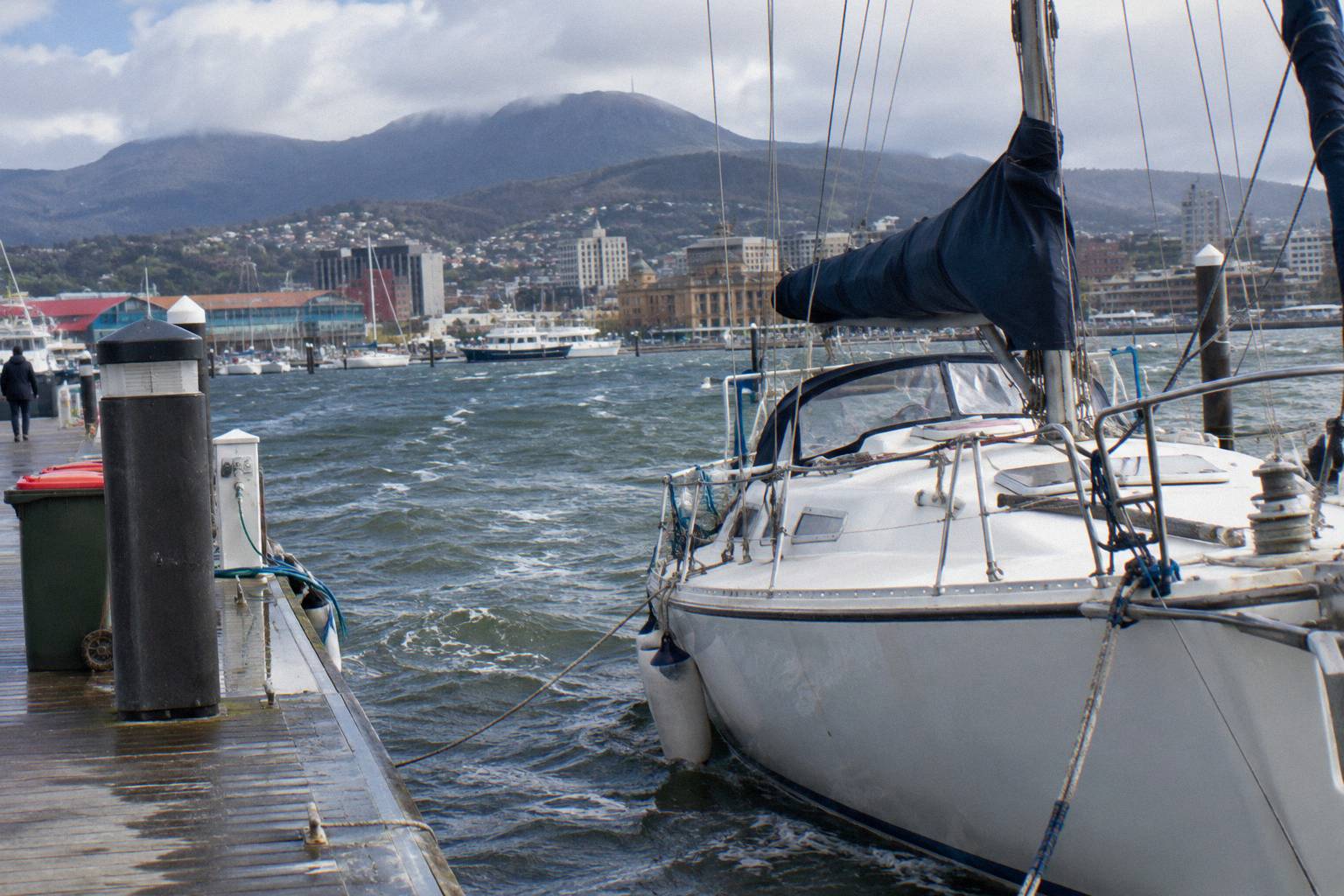
Practical points from the operator worth folding into the same planning conversation: wear flat-soled grippy shoes, bare feet, high heels and thongs are not allowed; wet weather gear is not included though a few spares are on board; alcohol is not included but Tasmanian wine and beer is available at regular bar prices; hotel pickup is not included because the meeting point is the marina. The trip is not wheelchair accessible and infants sit on laps. None of these block hands-on sailing, but the footwear rule in particular matters if you hope to be active on deck rather than seated the whole time.
Free cancellation applies to 24 hours before, and if the skipper cancels for bad weather the options are a reschedule or a full refund. Anyone asking the hands-on question before booking therefore has a clean exit if the answer does not suit. Seasonality is worth a thought as well: the operator's stated season runs September to May, with open charter times of 9am to 12pm and 2pm to 5pm from October to March and 10am to 1pm in September, April and May, so the hands-on conversation is best had when there is a departure that fits.
If You Want To Actually Learn To Sail In Hobart
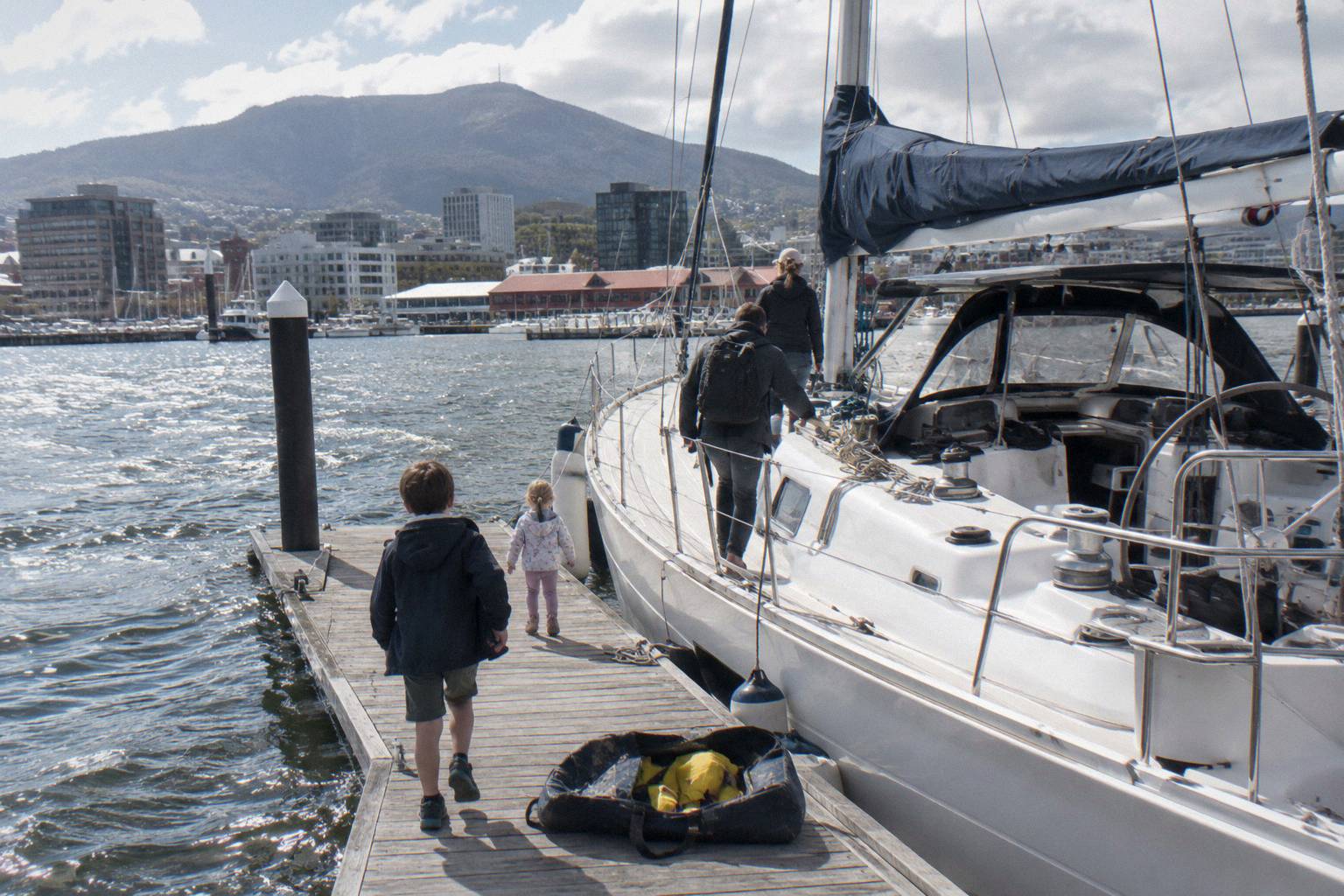
Yes, Hobart is a place where you can genuinely learn to sail, not just go along for the ride. Sailing clubs on both sides of the river run structured, hands-on courses built on a stated curriculum, so if actually learning is the goal, signing up for a club course is the path to take in this city. The Royal Yacht Club of Tasmania at Sandy Bay runs Discover Sailing sessions of 3 to 4 hours that include a safety briefing, rigging a boat, a sail session and a visit to Kings Pier, plus the Australian Sailing Crew and Helm course over 3 sessions on the club's Young 88 keelboat, and Tackers for children aged 7 to 12 with boats and life jackets provided. Sandy Bay Sailing Club runs adult Learn to Sail, Australian Sailing Start Sailing 1, in Pacer dinghies with a certificate on completion, Tackers 2 and a Cadet Learn to Sail program for ages 9 to 17, with member and non-member rates. Bellerive Yacht Club runs Tackers 2 over nine Sunday mornings and a two-day Start Crewing keelboat course. The Derwent Sailing Squadron with SailTrain runs Start Crewing, 12 hours over 2 days, with a certificate and equipment provided. The clubs list their current fees, and prices, dates and availability change, so check the Royal Yacht Club of Tasmania's learn to sail page and the Sandy Bay Sailing Club's program page directly.

The contrast is honest and clean. A club course puts you on the tiller or the wheel by design, because that is the product: you rig, you steer, you trim, you are assessed, and some courses end with a certificate. The Helsal IV sail puts you on a big yacht with a crew, with instruction offered if you want it, because that is its product. The two answer different questions: "what does sailing feel like?" versus "how do I do this myself?" The earlier overview of learning to sail in Hobart carries the fuller course-by-course comparison, and it is the right next click if the club route is the one that appeals.
| Option | Format | Hands-On By Design? | Stated Outcome |
|---|---|---|---|
| Helsal IV sail, Hobart Yachts | 3-hour guided sail, instruction if desired | Guests may take the helm and help with winching; weather and conditions decide | A taste of yacht sailing, no certificate |
| RYCT Discover Sailing | 3 to 4 hours, rig and sail session | Yes, club-stated | Introductory session |
| RYCT Crew and Helm course | 3 sessions on a Young 88 keelboat | Yes, club-stated | Australian Sailing course |
| Sandy Bay Learn to Sail | Start Sailing 1, Pacer dinghies | Yes, club-stated | Certificate on completion |
| Sandy Bay Cadet Learn to Sail | Ages 9 to 17 | Yes, club-stated | Junior pathway |
| Bellerive Start Crewing | Australian Sailing keelboat, 2 days | Yes, club-stated | Australian Sailing course |
| Derwent Sailing Squadron SailTrain | Start Crewing, 12 hours over 2 days | Yes, squadron-stated | Certificate, equipment provided |
There is no age barrier worth worrying about on the club side either. Australian Sailing's Tackers program covers children aged 7 to 12, with Little Tackers for 4 to 6 also existing, and Optimist and Sabot dinghies are often started around 6 to 9. No official source states an upper age limit for adult beginners, and the race site's people pages note Sydney to Hobart participants into their 80s. If the question behind the question is "am I too old or too young to start?", the short answer from the stated facts is no. The doubts people carry about age are addressed more fully in the is 50 too old to learn to sail discussion, which draws on the same stated material.
Sailing Vs The Wilderness Cruises From Hobart
The Bruny Island and Tasman Island trips out of Hobart are motor-powered wilderness cruises rather than sailing excursions, so the hands-on question does not arise on them at all. There are no sails to raise or trim because these vessels run on engines, which means anyone hoping for a genuine sailing experience will not find one on either of these cruises. Both are run by Pennicott Wilderness Journeys on custom-built cruise boats. The Bruny Island Wilderness Coast full day runs about 9.5 to 10 hours with a 3-hour cruise at its core, from US$195 per person, rated 4.8 across 578 reviews. The Tasman Island Cruises day tour runs about 10.5 hours from Franklin Wharf with check-in at 7:15am. Neither offers a helm, a sheet or a sail, and neither should be booked by anyone whose heart is set on helping sail a yacht. They are excellent days out for other reasons, but the word "cruise" is doing accurate work in their names.
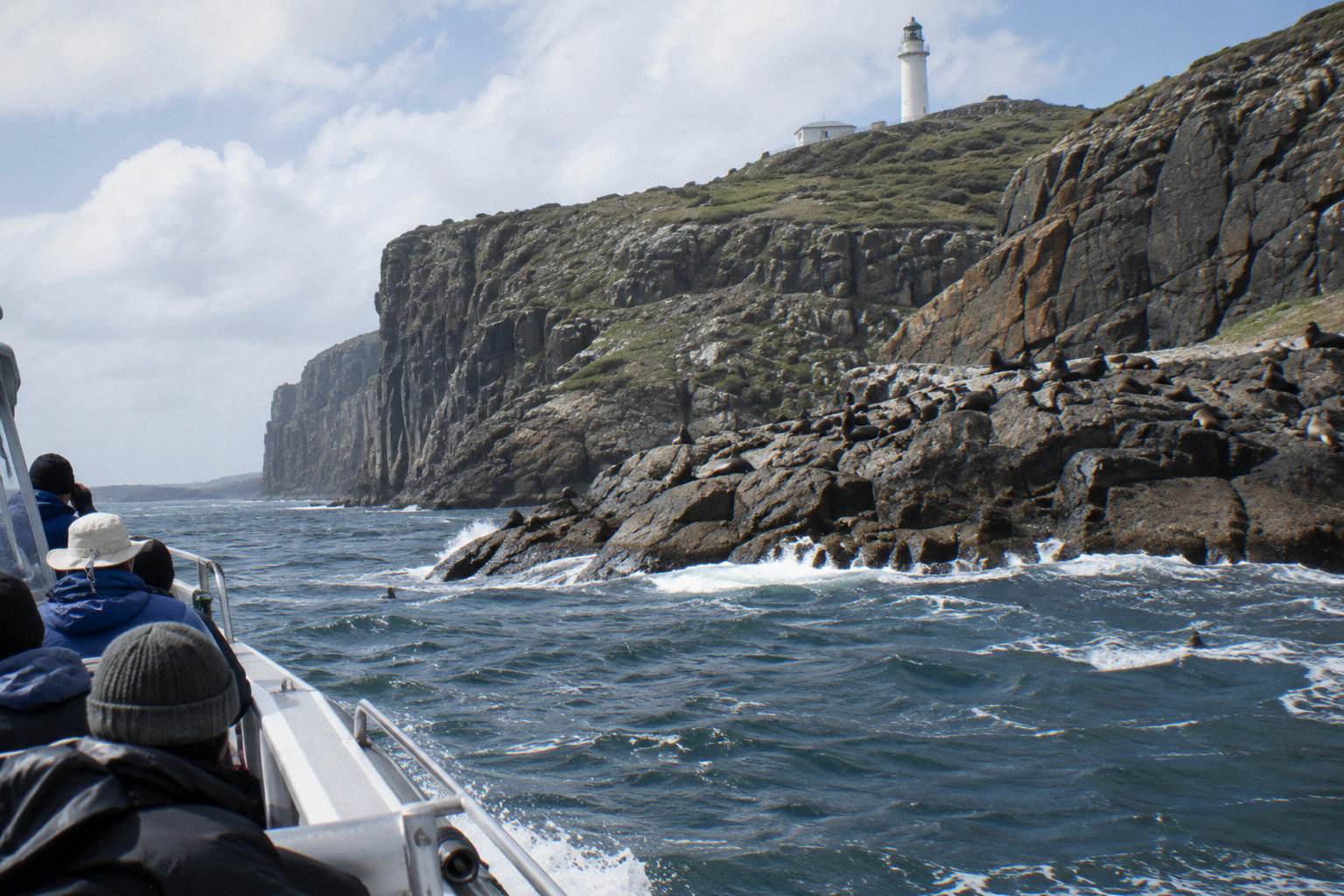
The confusion is understandable, and it is worth defusing plainly. All the products leave from the Hobart waterfront, all involve boats, and search results blend them together under the word sailing. But the purchase decisions are entirely different. A wilderness cruise buys a long day of remote coastline from a seated, enclosed cruise boat built for the purpose. The Helsal IV sail buys three hours on a sailing yacht where instruction is on the menu and the skipper may, at their discretion and unstated in the operator's material, let guests help. The fuller side-by-side lives in the sailing versus wilderness cruise comparison, and it is worth a read if the choice is genuinely open.
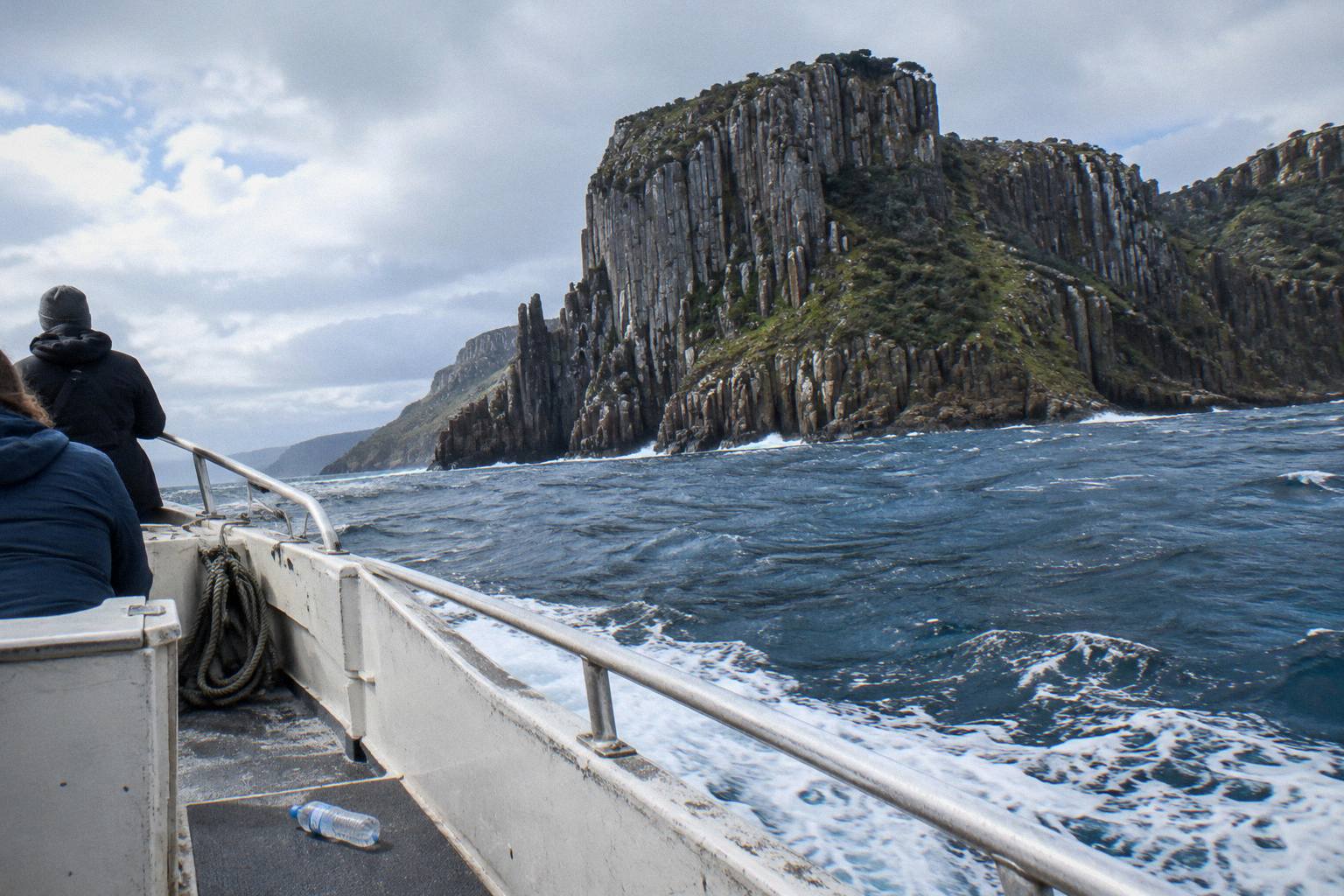
The Bruny Island full day suits a visitor who wants a big day out with lunch included and does not care how the boat is powered; it departs from the Dock Head Building at Franklin Wharf at 07:45 and hotel drop-off is confirmed, though pickup is not. The Tasman Island day tour is similar in shape at about 10.5 hours; hotel pickup is not included, and guests check in at the Dock Head Building at Franklin Wharf; its price and rating are not stated, so ask the operator for current figures. Children of all ages are welcome on the cruises per the operator's FAQ, though the operator does not recommend its Bruny Island Traveller tours for young children. Cancellation on those trips is free to 24 hours before, per the booking pages.
Common Mistakes When Expecting Hands-On Sailing
The most common mistake is assuming that the phrase "sailing instruction if desired" means a guaranteed turn at the wheel, when the operator never states that guests may steer or trim at all. Treating an optional offer as a promise of hands-on participation is what sets travelers up for disappointment, so the description should be read as written, not as hoped. The second mistake is booking a motor-powered wilderness cruise while searching the word "sail", which happens more often than you would think given how the products surface together. The third is expecting a certificate from a 3-hour guided sail, which no operator material claims and no club would recognise. The fourth is arriving unprepared, in the wrong shoes, without gear or without knowing the meeting point. Each of these is avoidable with one email and ten minutes of reading before booking, and each one is worth taking seriously because they all cost a real day in Hobart.
A few specific traps catch people at the dock rather than at the keyboard. Arriving without flat-soled grippy shoes means the footwear rule bites, since bare feet, high heels and thongs are not allowed. Assuming hotel pickup exists, when the meeting point is the marina, strands people who planned around a door-to-door day. Expecting wet weather gear on board, when only limited spares are carried, leaves cold guests on a grey day. And expecting the sails to be set the whole three hours ignores the diesel auxiliary and the skipper's call on conditions. None of this is hidden. It is all on the operator's own pages, but it does require reading them before the day rather than after.
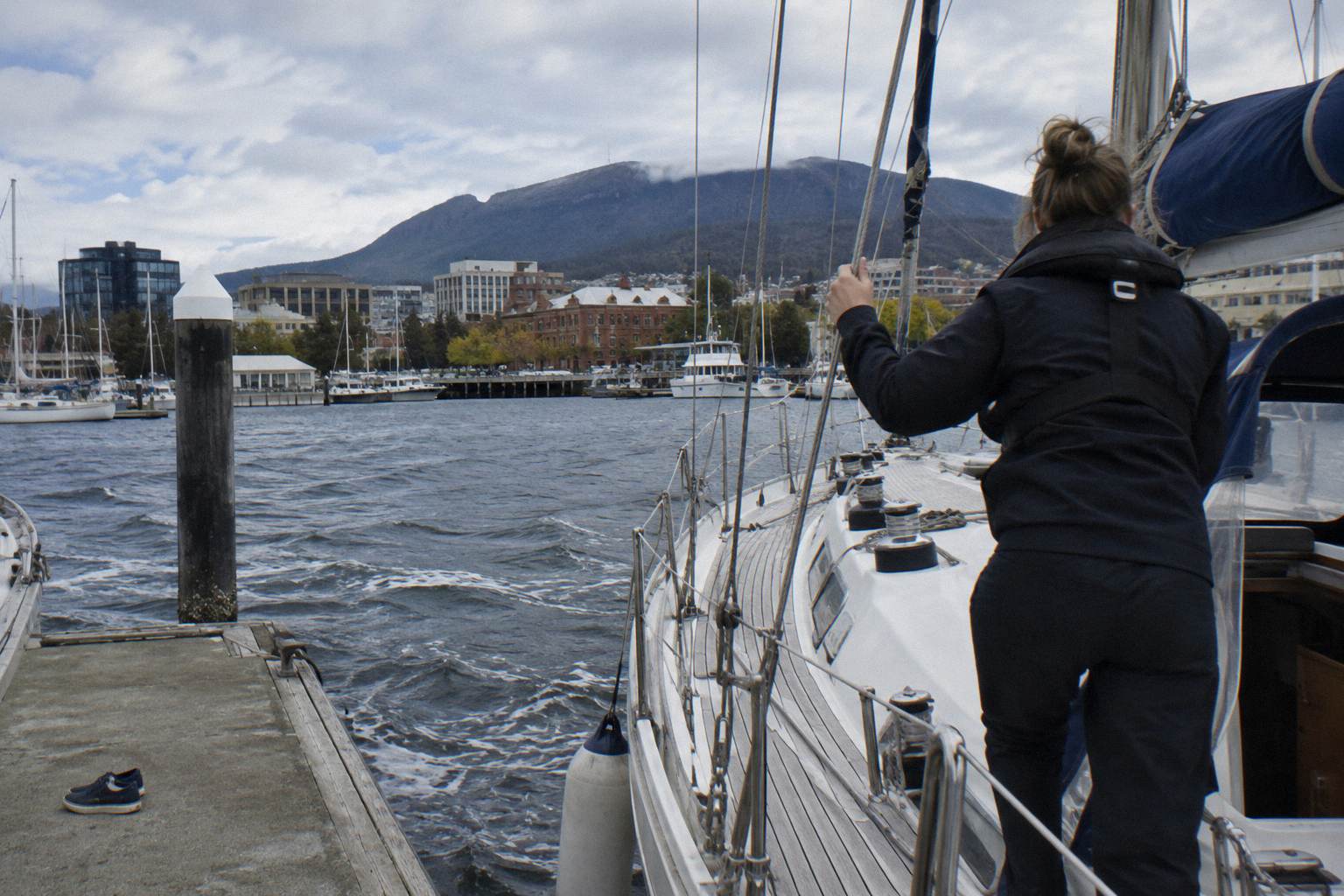
The last mistake is subtler: treating the question "can I help sail?" as a yes or no. It is really a spectrum, from watching a crew work, through asking questions during a guided sail, to formal club training where the helm is yours by design. The Helsal IV sail sits in the middle of that spectrum, since guests may take the helm and help with winching, with sailing instruction if desired, though how much hands-on time you get depends on weather and conditions on the day. Knowing where you want to sit on it, and saying so when you board, is the single most useful thing a keen guest can do. It also sets the crew up to say yes when they safely can, rather than being asked cold at an inconvenient moment.
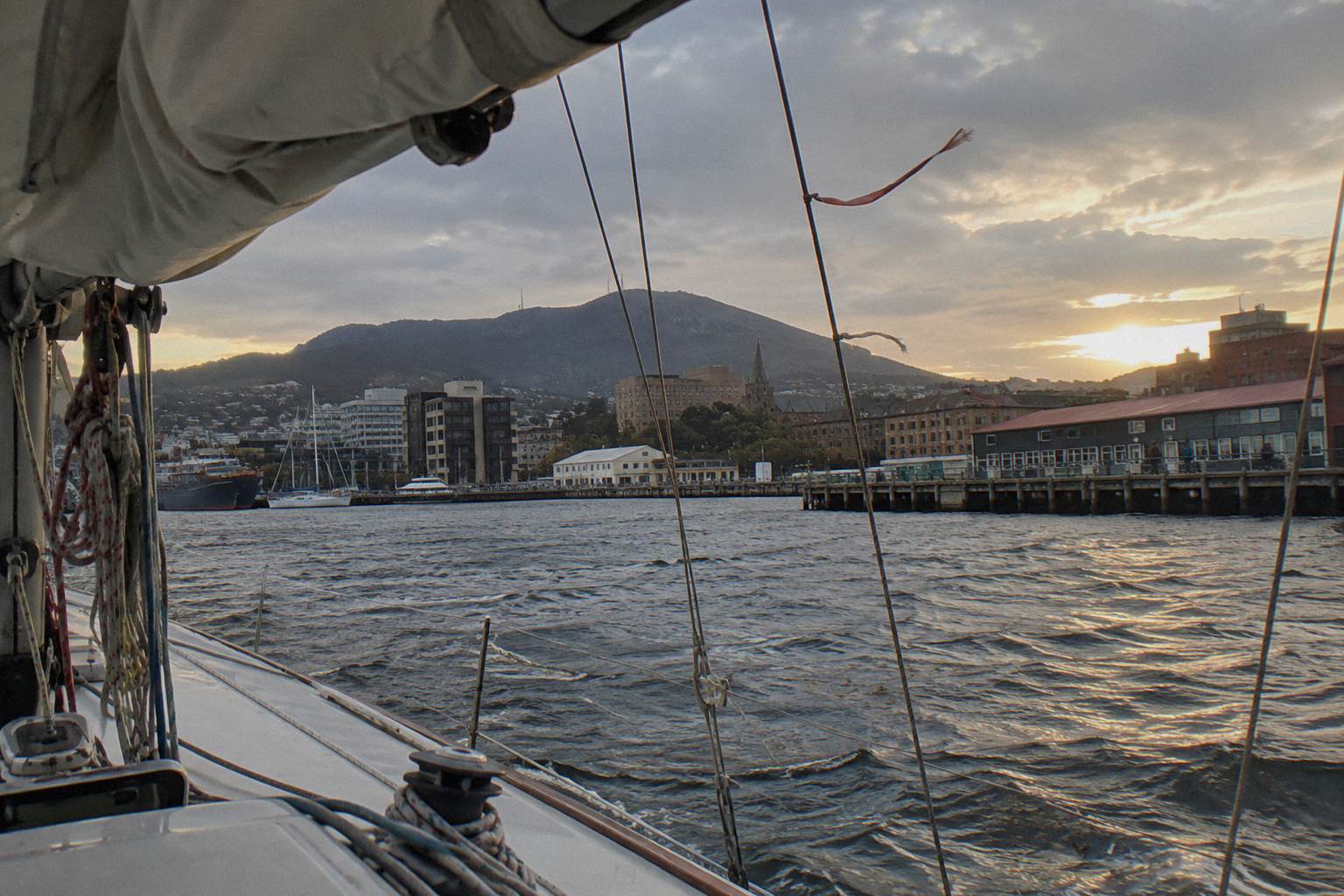
Whether the answer comes back yes, sometimes or ask-on-the-day, the three hours on the Derwent remain the same product: a skippered sail on a boat with a racing history, from US$115 per person, with snacks, drinks, commentary and instruction if wanted. The rating of 4.9 across 89 reviews reflects a product that does what it says, and what it says is a guided sail, not a helm guarantee. For visitors deciding between a taste and a training path, Hobart Sailing covers both threads, and the two can even run in sequence: taste it first, then enrol if the taste lands. Plenty of club sailors started exactly that way, and no club course requires prior experience to begin, which is the one guarantee this whole subject can honestly offer.
Common Questions About Helping Sail The Yacht
Can You Help Sail The Yacht On A Hobart Sail?
The operator offers sailing instruction if you want it, with a professional skipper and crew running the boat. Guests may take the helm and help with winching, though this depends on weather and conditions on the day.
Do You Need Sailing Experience For The Helsal IV Sail?
No. The operator states the trip is suitable for all ages and experience levels, and instruction is offered to those who want it. No prior experience is required to join.
Is The Sail Suitable For Children?
Yes, per the booking page: all ages are welcome, children 4 to 17 pay a child rate, and infants under 4 sail free on laps. Clubs run separate Tackers programs for ages 7 to 12.
How Much Does The Sail Cost?
From US$115 per person on the booking page, for the 3-hour Hobart Sailing Experience. Prices move, and the operator's direct rates are listed separately on its own site.
What Happens If It Is Too Windy To Sail?
The skipper cancels if weather is too bad, and the options are a reschedule or a full refund. Free cancellation otherwise applies up to 24 hours before the trip.
Which Tour Should You Pick If You Want Real Hands-On Training?
A club course, not a guided sail. Royal Yacht Club of Tasmania, Sandy Bay Sailing Club, Bellerive Yacht Club and the Derwent Sailing Squadron all list beginner courses where you do the sailing; the clubs list their current fees.