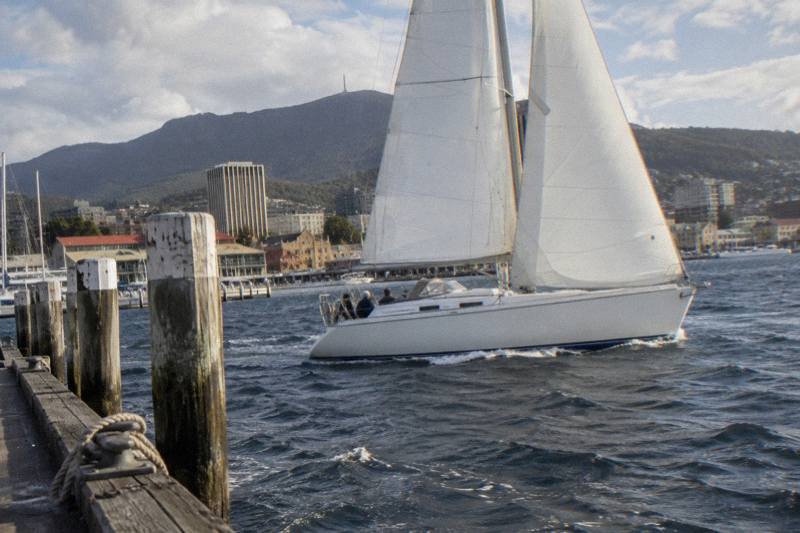
Is 50 Too Old To Learn How To Sail In Hobart?
No official source sets an upper age limit for adult sailing beginners, and Hobart offers club courses plus a skippered yacht sail that suits all experience levels. Here is how the options compare.
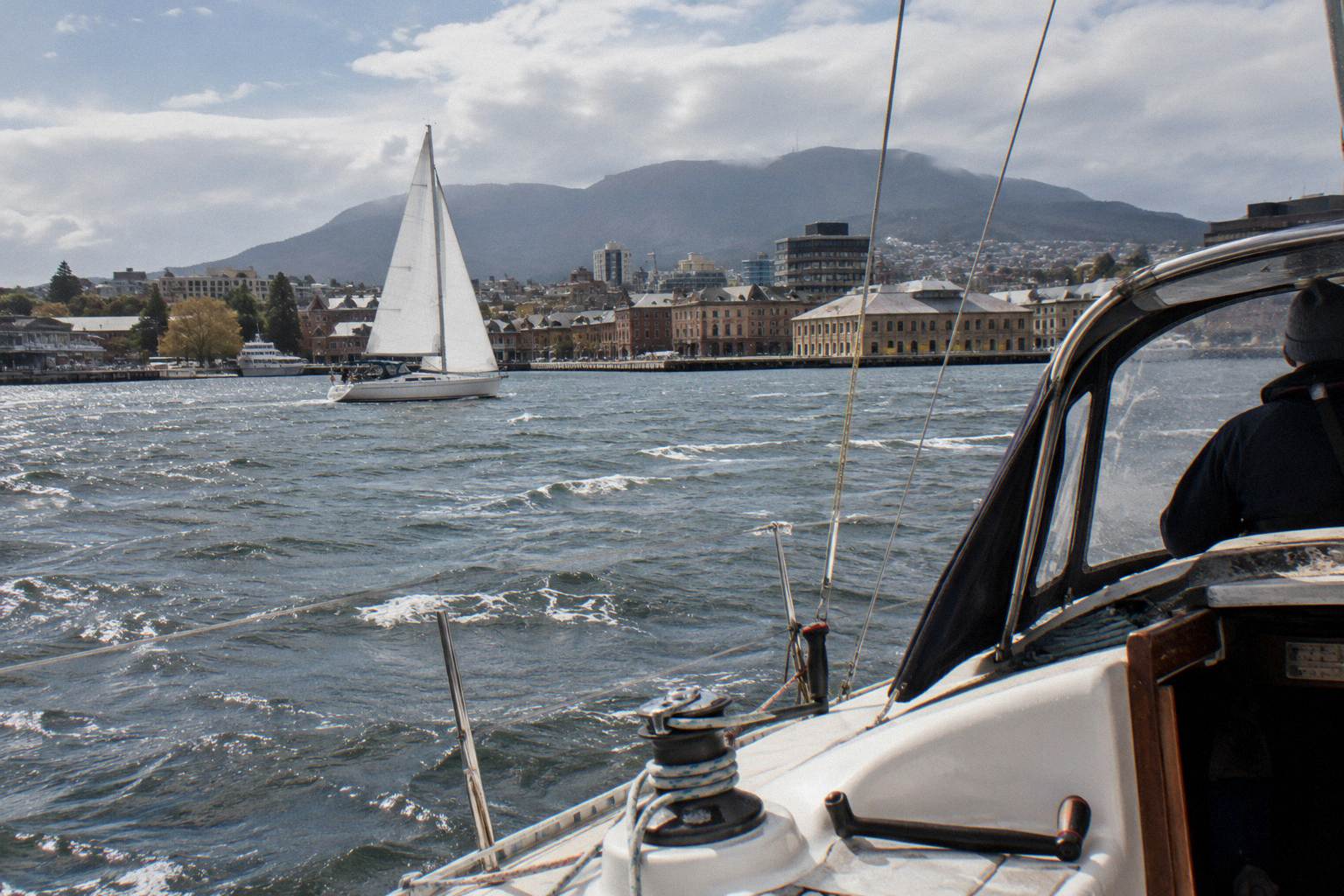
In short: no source sets an upper age limit for learning to sail. Hobart's clubs list adult beginner courses, the Australian Sailing pathway has no stated maximum age, and the Sydney to Hobart race site notes participants into their 80s. A 50-year-old beginner in Hobart can start with a club course or a three-hour skippered sail on Helsal IV, from US$115 per person, that the operator says suits all ages and experience levels.
New to the topic? Start with the Hobart yacht charter guide for how skippered sailing works, or read whether you need sailing experience for a Hobart sail.
| Quick Facts | Detail |
|---|---|
| Upper age limit for adult beginners | Not stated by any club, operator or governing body |
| Sydney to Hobart participants | The race site notes sailors into their 80s |
| Helsal IV sail duration | 3 hours, morning or afternoon |
| Helsal IV from-price | From US$115 per person on the booking page |
| Meeting point | Kings Pier Marina, 2 Franklin Wharf |
| Club beginner pathway | Australian Sailing Start Sailing 1 and keelboat Start Crewing |
| Kids' program age range | Tackers, ages 7 to 12 |
| Cancellation, Helsal IV booking page | Free up to 24 hours before |
No, 50 is not too old to learn how to sail in Hobart. Sailing rewards patience, careful judgment, and steady habits far more than raw strength or youthful reflexes, so a beginner in their fifties can pick up the basics just as well as anyone else, and age should never be the reason you stay ashore.
The clearest single piece of evidence comes from the race itself. The Rolex Sydney Hobart site's people page notes participants into their 80s, which sets the ceiling for competitive ocean racing far above 50. If people in their ninth decade are racing 628 nautical miles to Hobart, the question of whether 50 is too old to learn the basics answers itself. See the race site's people page for that detail.
Closer to home, the question "what age can kids learn to sail" has a documented answer, ages 7 to 12 for Tackers, but the adult side has no equivalent cutoff stated anywhere. That absence is meaningful. Governing bodies are quick to publish minimum ages for junior programs; none of the sourced club or Australian Sailing material sets a maximum for adults. The reasonable reading is that adult courses are open to adults, full stop.
Hobart also happens to be one of the better places in Australia to test this. The Derwent is a working sailing river with four clubs running learn-to-sail programs, and the harbour sailing around the city is described by the operator Hobart Yachts as well protected. For a first taste of yacht sailing without committing to a multi-week course, the three-hour skippered sail on Helsal IV, a 62-foot Dynamique 62 cruiser-racer that has raced to Hobart herself several times, is a good option. The operator says it suits all ages and experience levels, and the booking page shows from US$115 per person.
The realistic worry at 50 is not age but confidence: whether the physical demands, the jargon and the time commitment will fit. The rest of this article works through each of those honestly, using only what the clubs and operators state.
Is 60 Too Old To Learn To Sail?
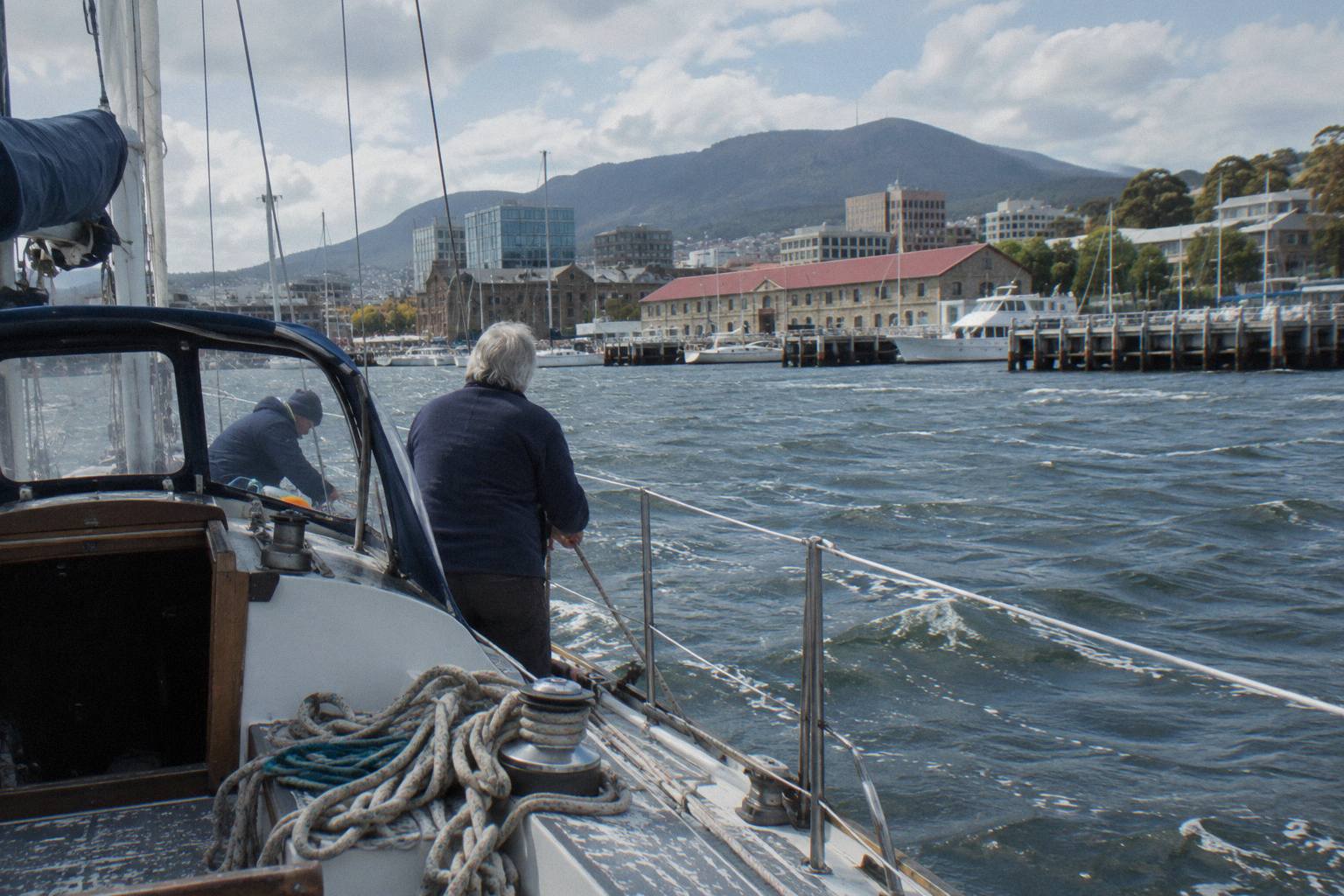
No, 60 is not too old to learn to sail. Sailing is a skill built on patience, awareness, and steady practice rather than raw strength or youth, and plenty of people take their first lessons later in life. With a sensible approach, good instruction, and a boat suited to your comfort, you can start sailing confidently at 60 and enjoy it for many years.
The distinction between 50 and 60 matters mostly in the searcher's head, not in the source material. No club page sets a threshold at 50, 60 or any other number. What the clubs do publish is format: keelboat courses such as Start Crewing run over two days, dinghy courses such as Start Sailing 1 run in Pacer dinghies, and both issue certificates through the Australian Sailing pathway. Age does not appear as an entry condition for any of them.
The one honest difference worth naming is physical. A dinghy course asks more of your body than a keelboat: you are low to the water, moving your weight around a small boat, and sometimes wet. A keelboat like the Young 88 used by the Royal Yacht Club of Tasmania is steadier, with a cabin and rails, and the club's Start Crewing course runs on that boat specifically. For a beginner who wants stability first, the keelboat pathway is the gentler of the two, and the club lists its current fees and dates on its page.
For a first step with almost no commitment, the skippered sail works at any adult age. It is three hours, the yacht has a 150 HP diesel auxiliary, and the crew handles the boat while you take in as much or as little instruction as you want. It is a taste, not a certificate, but it answers the prior question, do you actually like being on a yacht, before you pay for a course.
One more reassurance sits in the cancellation terms. The Helsal IV booking page allows free cancellation up to 24 hours before, so a hesitant beginner is not locked in. And if health is the worry, the standard advice applies: ask your doctor if unsure. No sourced page gives medical guidance beyond that, and none is offered here.
What Adult Beginner Courses Run In Hobart?
Hobart runs a variety of adult beginner courses, with local providers offering classes designed for people with no prior experience. These courses cover different interests and welcome complete newcomers, making them ideal for anyone starting from scratch, and they give adult beginners an easy, supportive way to take that first step.
The club detail matters because it shows how ordinary adult beginners are in this city. Here is what each club publishes.
| Club | Program | Format | Notes |
|---|---|---|---|
| Royal Yacht Club of Tasmania | Discover Sailing | 3 to 4 hours | Safety briefing, rig a boat, sail session, visit to Kings Pier |
| Royal Yacht Club of Tasmania | Crew and Helm (keelboat) | 3 sessions | On the club's Young 88 keelboat |
| Sandy Bay Sailing Club | Adult Learn to Sail | Start Sailing 1 course | Pacer dinghies, member and non-member rates, certificate |
| Bellerive Yacht Club | Start Crewing (keelboat) | 2 days | Australian Sailing keelboat course |
| Derwent Sailing Squadron (SailTrain) | Start Crewing | 12 hours over 2 days | Certificate, equipment provided |
The club fee figures in the source material carry no stated currency, so no amount appears in that table or anywhere on this page; each club lists its current fees. Two clubs anchor the detail above: see the Royal Yacht Club of Tasmania's learn-to-sail page and Sandy Bay Sailing Club's program page.
Which format suits a 50-plus beginner? The honest answer splits on comfort in small boats. Discover Sailing at the Royal Yacht Club of Tasmania is the lightest entry: a single session of 3 to 4 hours that includes a safety briefing, rigging a boat, a sail and a visit to Kings Pier. It is designed as exactly the no-commitment first step an older beginner tends to want. The keelboat Start Crewing courses, at Bellerive or the Derwent Sailing Squadron, are the structured next rung: two days, a certificate, equipment provided. The dinghy route at Sandy Bay is the most physically demanding and also the purest teaching of sail handling. Nothing stops a 55-year-old from any of them.
How Does A Guided Sail Compare With A Course?
A guided sail is a relaxed outing where a skipper handles the boat while you sit back and take in the views, whereas a sailing course is hands-on training that teaches you to crew and helm a vessel yourself. Choose a guided sail for an easy, scenic experience; choose a course if you actually want to learn to sail.
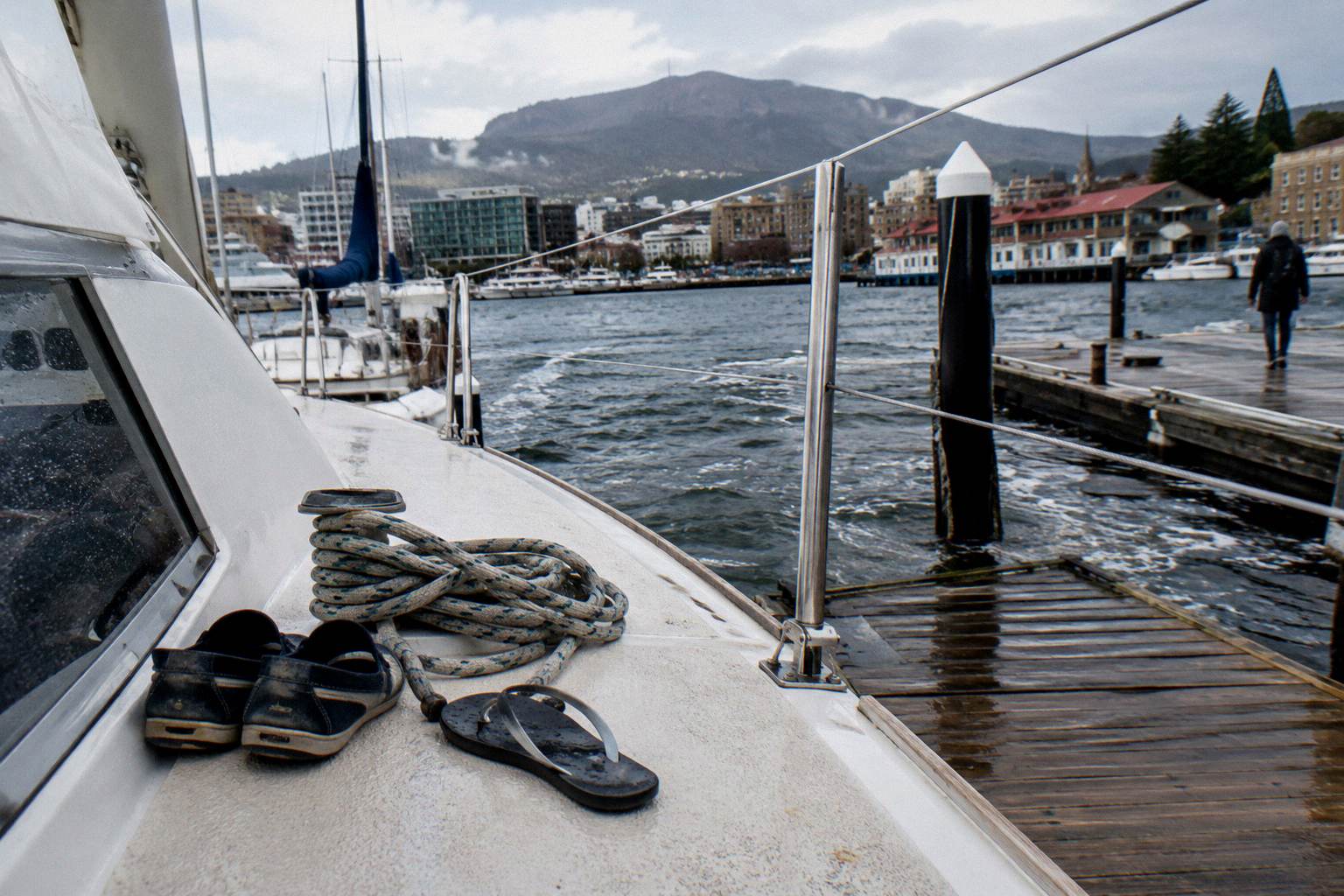
The comparison is honest rather than flattering to either side. A club course gives you a skill and a piece of paper through the Australian Sailing pathway; the sailing world recognises Start Crewing and Start Sailing 1 anywhere in the country. A skippered sail gives you none of that. What it gives you instead is context: three hours on a 62-foot cruiser-racer that has raced Sydney to Hobarts, in harbour water the operator describes as well protected, with crew who run the boat and explain it as they go. Guests may take the helm and help with winching, with sailing instruction if desired, and hands-on time depends on conditions on the day.
| Helsal IV sail | Club beginner course | |
|---|---|---|
| Commitment | 3 hours, one sitting | 2 days to several sessions |
| Outcome | A taste of yacht sailing, no certificate | Australian Sailing certificate |
| Instruction | Included if you want it | Structured syllabus |
| Boat | 62 ft cruiser-racer with skipper and crew | Club dinghy or keelboat |
| Price basis | From US$115 per person on the booking page | The club lists its current fees |
| Meeting point | Kings Pier Marina, 2 Franklin Wharf | The club's own premises |
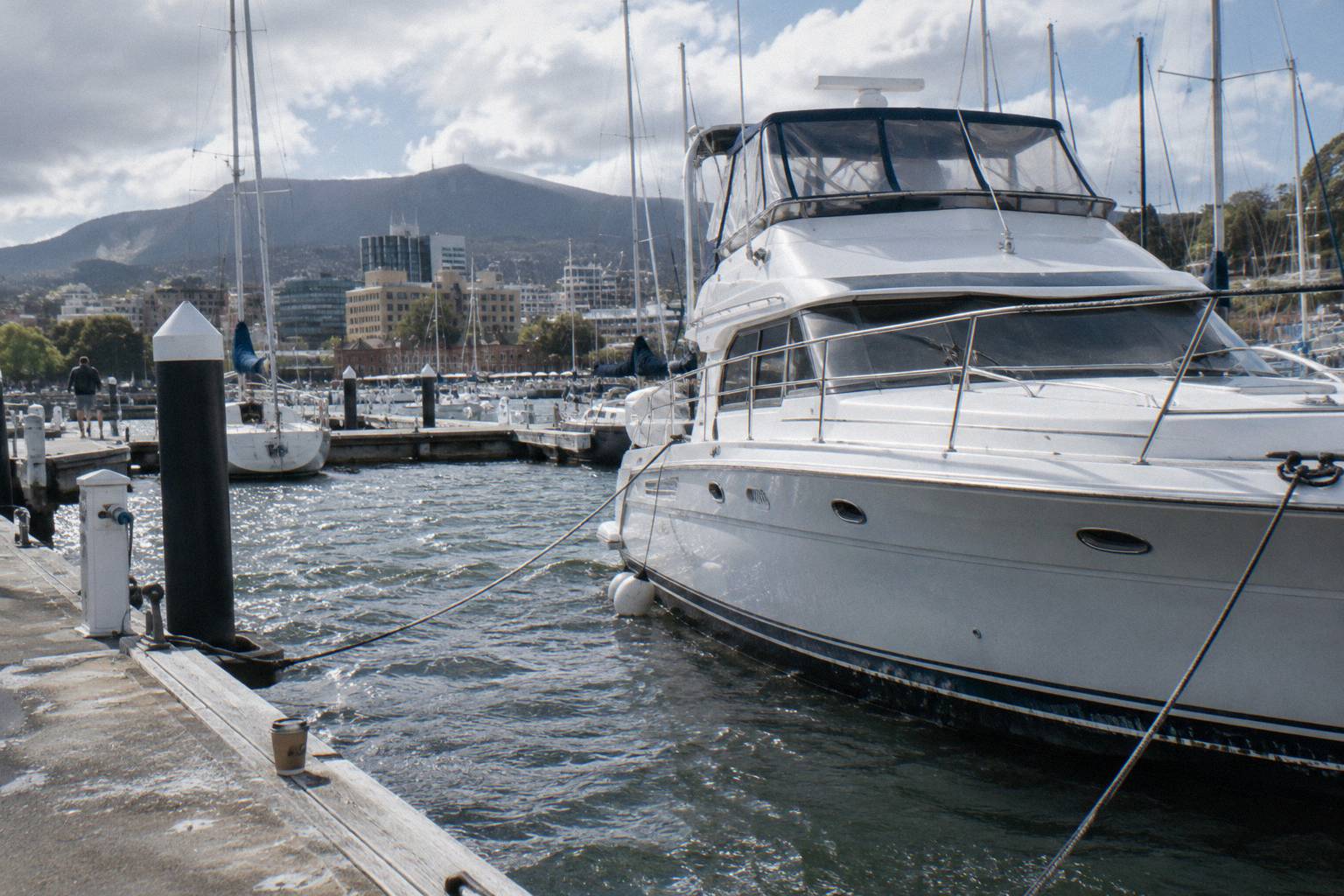
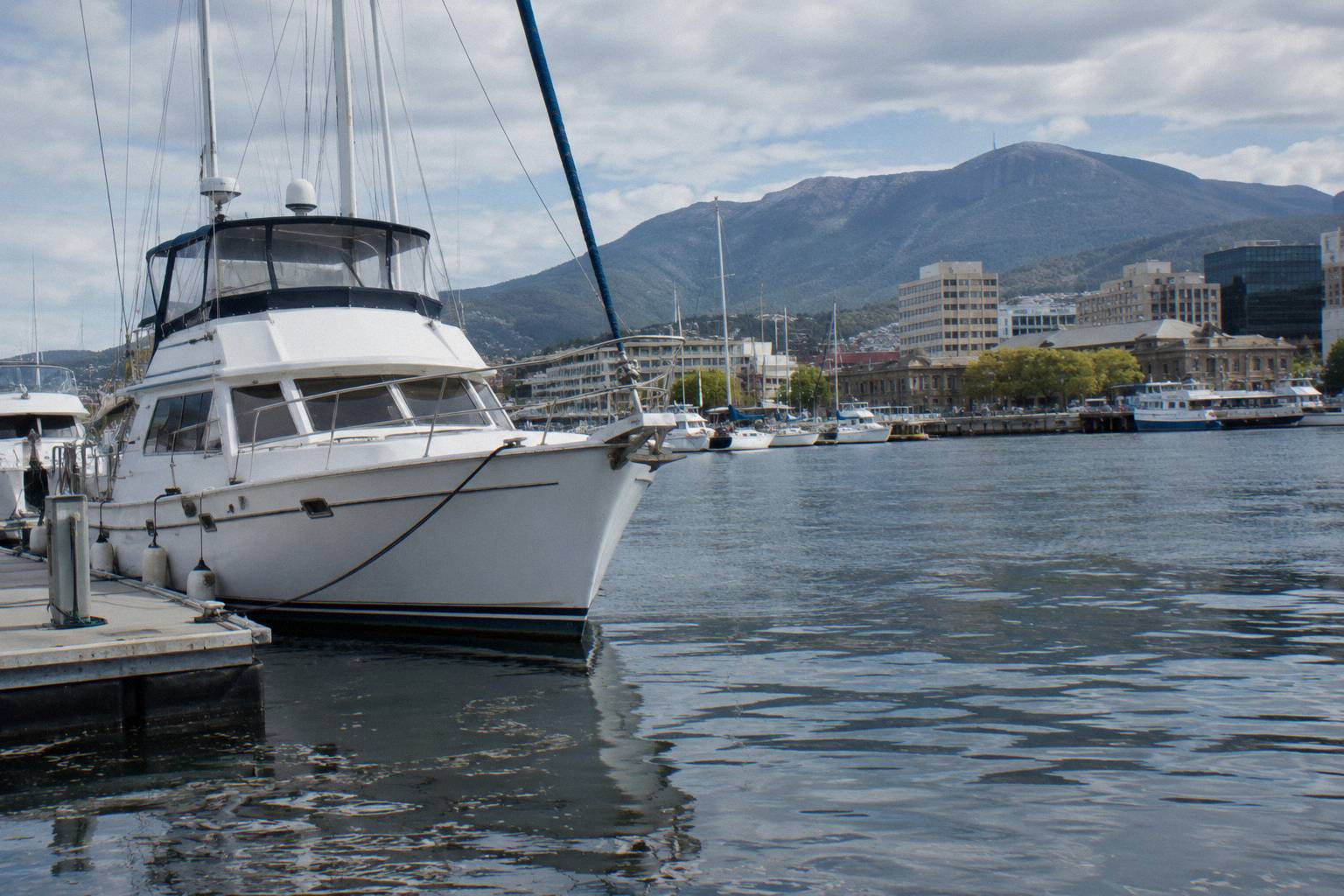
There is also a middle path worth naming: do the sail first, then the course. A beginner who spends three hours on Helsal IV arrives at a Start Crewing weekend already knowing what a halyard looks like and how a boat moves through the water. The practical details support this sequencing too. The meeting point is Kings Pier Marina, arrive about 10 minutes early, and Helsal IV is the last boat on the far left of the pier. Wear flat-soled grippy shoes; bare feet, high heels and thongs are not allowed, which the operator states in the operator's FAQ. Parking on the dock is 2 hour or permit only, and the nearest all-day parking is at Dunne Place and Evans Street at Macquarie Point, plus the Market Place and Argyle Street car parks.
If sailing itself proves not to be the fit, Hobart's other on-water option is a wilderness cruise rather than a sail: Pennicott Wilderness Journeys runs the Bruny Island Wilderness Coast Eco Cruise With Lunch, a full day of about 9.5 to 10 hours with a 3-hour cruise, from US$195 per person, rated 4.8 across 578 reviews. The operator's own FAQ covers children, cancellation and parking for these cruises at the operator's FAQ page. It is motor-powered, so it never answers the sailing question, but it is a lower-demand way onto Tasmanian water.
What Fitness And Mobility Does Sailing Ask For?
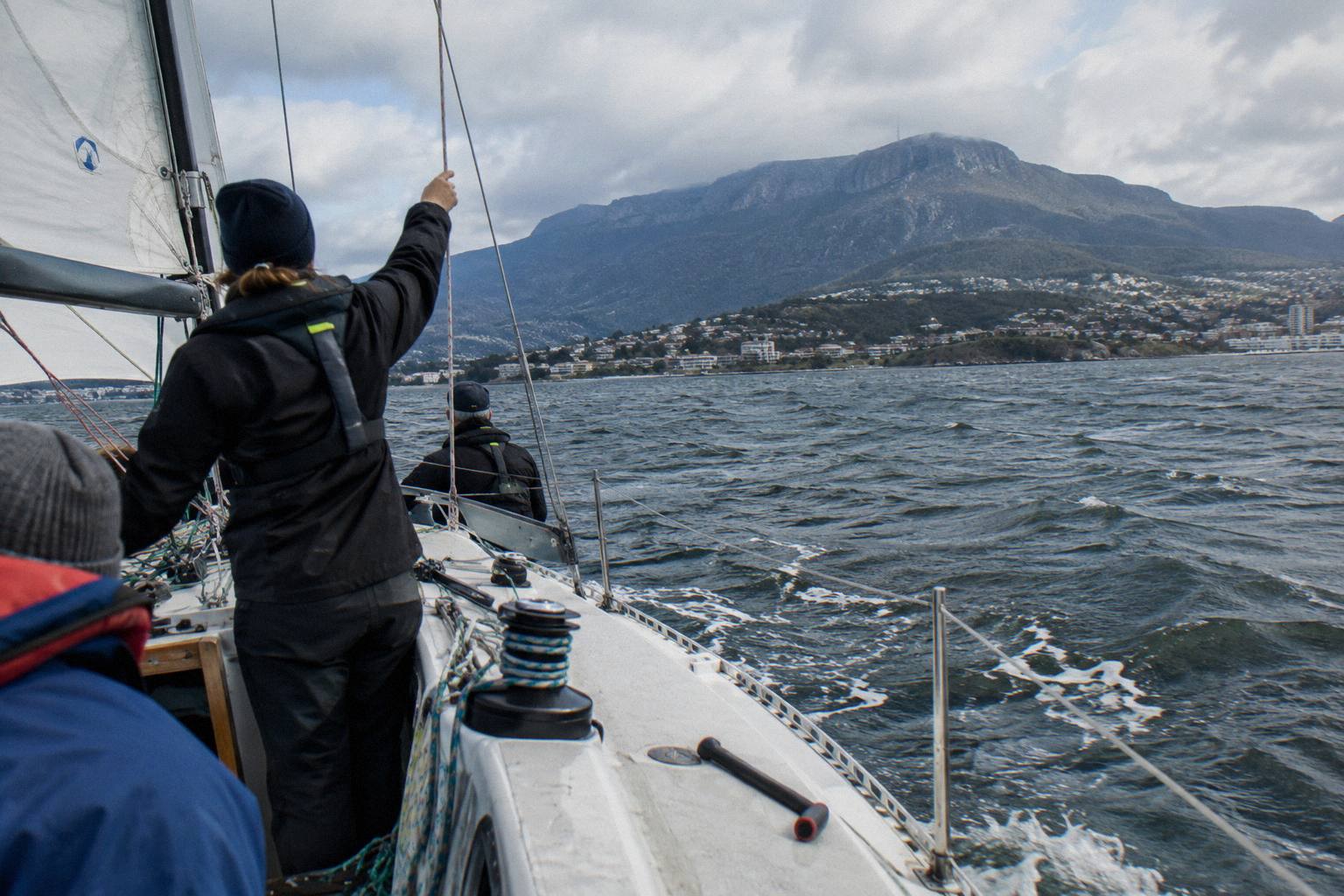
Sailing asks for moderate fitness rather than elite athleticism: enough core strength and balance to stay steady on a moving deck, enough mobility to crouch, step over obstacles, and move around the boat, and enough upper-body strength to haul lines and handle sails. You do not need to train like an athlete, but reasonable comfort on your feet makes the trip safer and more enjoyable.
Start with what is stated. The shoe rule is the operator's own and it tells you something: you will be moving around a deck that can be angled and damp, and footwear is the difference between sure footing and a slip. The accessibility statement is equally plain and deserves honesty rather than softening: the booking page says the sail is not wheelchair accessible, so a beginner with limited mobility should raise that with the operator before booking rather than after. Infants sit on laps, which tells you seating is ordinary yacht seating, not airline rows.
What no page states is a fitness test. There is no stated minimum strength, no swim requirement published for the Helsal IV sail, and no age-related screening. Harbour sailing on a 62-foot yacht with a professional skipper and crew, a diesel auxiliary and water the operator calls well protected is about as physically gentle as the sport gets. The club dinghy courses ask more, because a Pacer dinghy responds to where you sit and how you move. That is a real difference for a 50-plus beginner choosing between pathways, and it favours starting on a keelboat or a skippered yacht.
Weather policy also works in a beginner's favour. The skipper cancels if weather is too bad, and the operator's FAQ records a gale forecast cancelling a sail the day before; in that case you reschedule or take a full refund. You are never committed to going out in conditions the skipper judges poor. For what that means in practice day to day, read what happens if it's too windy to sail in Hobart.
Cold is the other honest factor. The Bureau of Meteorology's long-term averages put Hobart's mean maximum at 11.9 °C in July and 21.8 °C in January and February, per the Bureau of Meteorology table. A summer sail is a different garment decision from a winter one, and wet weather gear is not included, though a few spares are kept on board. The operator's stated season runs September to May, which brackets the warmer half of the year; timing questions are covered in full in the best time to sail in Hobart.
Common Mistakes When Starting Sailing At 50 Or Later
The most common mistakes when starting sailing at 50 or later are assuming you are too old to learn, skipping basic instruction, buying a boat before gaining real experience, ignoring physical limits like balance and strength, underestimating safety gear, and comparing your progress to younger sailors; the fix is patient practice, proper lessons, and starting with small, manageable boats in calm conditions.
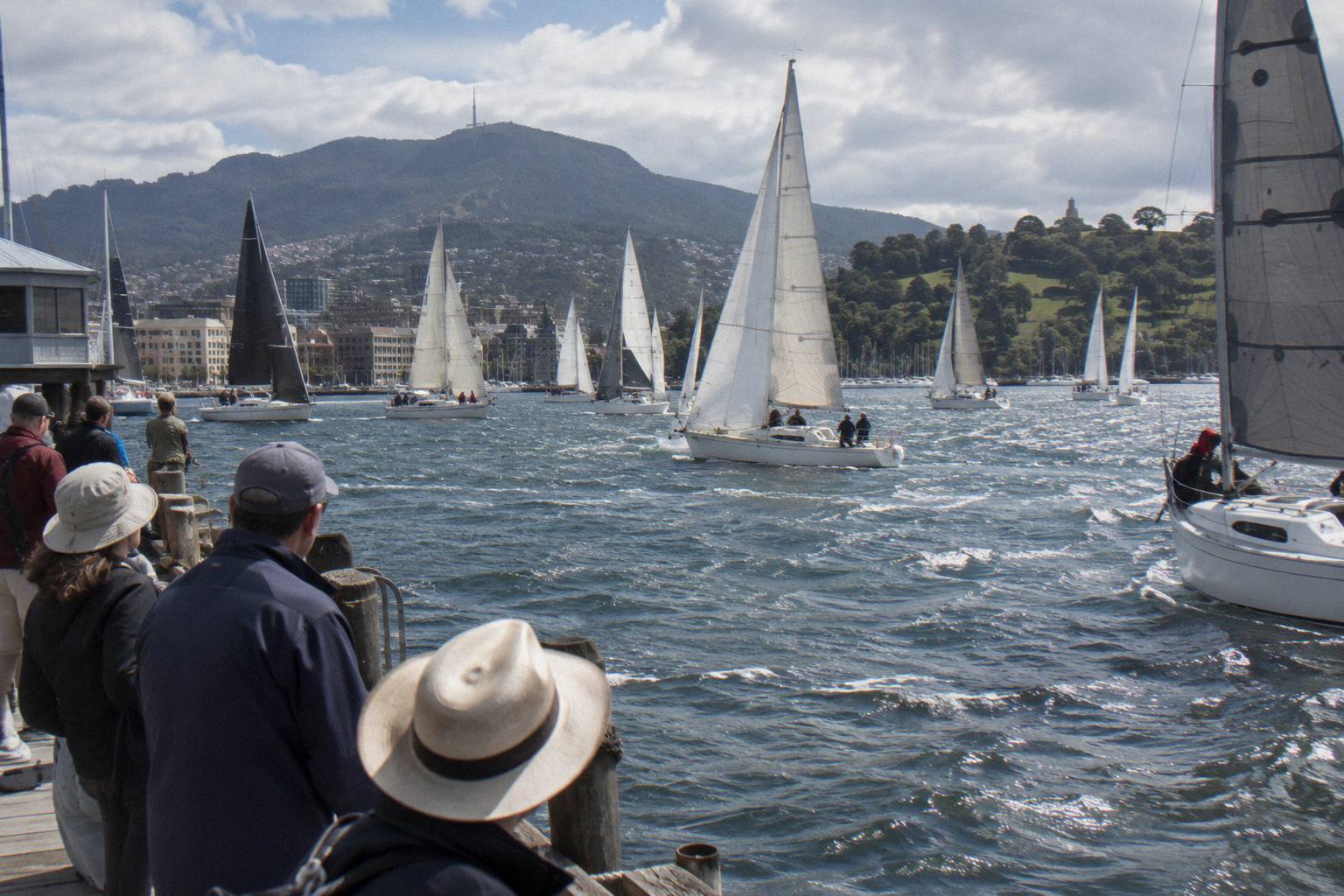
The first mistake is format mismatch. A Pacer dinghy rewards agility and punishes hesitation; a Young 88 keelboat or a 62-foot cruiser-racer forgives both. Nothing in the sourced material says an older beginner cannot sail a dinghy, and plenty do, but if your goal is comfortable yacht sailing rather than racing, the keelboat pathway and the skippered sail line up with it more directly.
The second is the shoe rule, and it is worth repeating because it is a hard rule, not advice. Flat-soled grippy shoes only; bare feet, high heels and thongs are not allowed on Helsal IV. A beginner who turns up in thongs has a short day. The third is skipping the cheap test. The sail costs from US$115 per person and takes three hours; a course takes a weekend or more. Running the cheap experiment first, then the course, is the sequence that wastes the least money if sailing turns out not to be your thing.
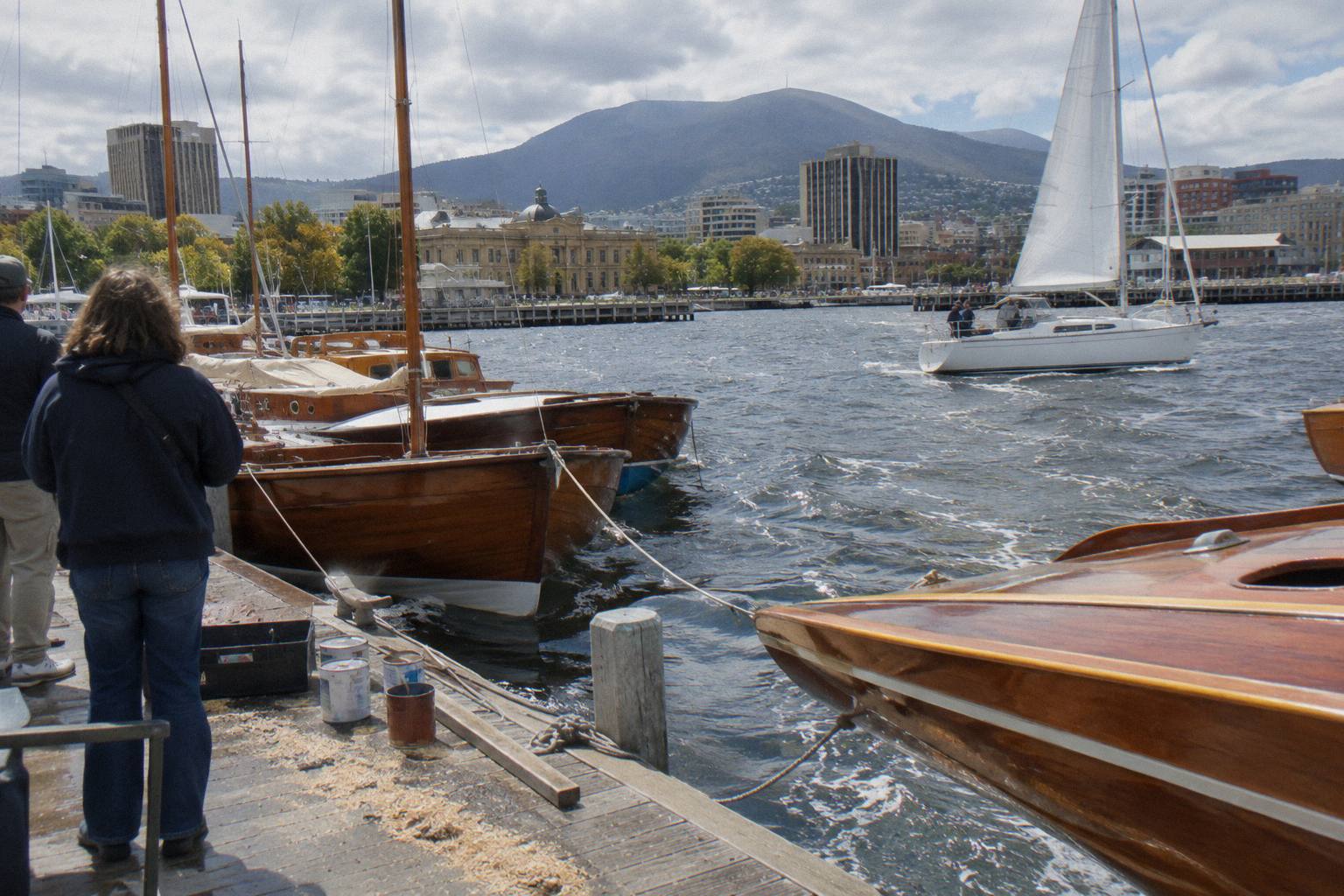
The fourth is logistics. Parking on the dock at Kings Pier is 2 hour or permit only, so all-day parkers should head to Dunne Place and Evans Street at Macquarie Point, or the Market Place and Argyle Street car parks, and arrive about 10 minutes early to find Helsal IV, the last boat on the far left. The fifth is expectation: the guided sail includes instruction if you want it and commentary, but it issues no certificate, and guests may take the helm and help with winching, with sailing instruction if desired, and hands-on time depends on conditions on the day.
A final mistake is waiting for a permission that does not exist. No page in the sourced material sets an upper age limit, and the race that finishes in this city notes participants into their 80s. The sport's own paperwork contains no reason for a 50-year-old to hesitate.

For anyone who wants a full second day on the water after a first sail, the Tasman Island Cruises And Port Arthur Historic Site Day Tour from the same cruise operator runs about 10.5 hours with Port Arthur admission included; its price and rating are not stated, so ask the operator. As with the Bruny day, it is a cruise rather than a sail, best treated as a complement to time on a yacht rather than a substitute.
Common Questions About Learning To Sail At 50
Is 50 Too Old To Learn How To Sail?
No. No club, operator or governing body states an upper age limit for adult beginners, the Sydney to Hobart race site notes participants into their 80s, and Hobart's clubs list adult beginner courses open to all adults. A three-hour skippered sail from US$115 per person is a low-commitment first step.
Is 60 Too Old To Learn To Sail?
No stated rule treats 60 any differently from 50 or any other adult age. The keelboat courses, two days with equipment provided and a certificate, are the steadier format, and a skippered sail on Helsal IV, which the operator says suits all ages and experience levels, works as a first taste at any adult age.
Is 50 Too Old To Start Sailing?
No. Starting at 50 has no barrier in any sourced club or operator material. The Royal Yacht Club of Tasmania's Discover Sailing sessions run 3 to 4 hours and include a safety briefing, rigging a boat, a sail and a visit to Kings Pier, designed as a first step for newcomers.
Is 60 Too Old To Start Sailing?
No. The race at the centre of this city's summer notes participants into their 80s, which puts a 60-year-old starter decades inside the observed range. Ask your doctor if unsure, choose a keelboat or skippered format if stability matters to you, and start with a single session rather than a full course.
Do I Need Experience For The Helsal IV Sail?
No. The operator states the sail suits all ages and experience levels, with a professional skipper and crew, sailing instruction if you want it, and commentary. It is a taste of yacht sailing rather than a certificate course; guests may take the helm and help with winching, with sailing instruction if desired, and hands-on time depends on conditions on the day.
What Should I Wear For A First Sail?
Flat-soled grippy shoes; bare feet, high heels and thongs are not allowed. Wet weather gear is not included, though a few spares are on board, so bring your own. Tasmanian wine and beer are sold on board at regular bar prices, and snacks plus tea, coffee and water are included.