Do I Need Sailing Experience To Sail In Hobart?
No sailing experience is needed for a skippered sail in Hobart: what the operator says, what to expect on Helsal IV, and honest options if you want to learn actual skills.
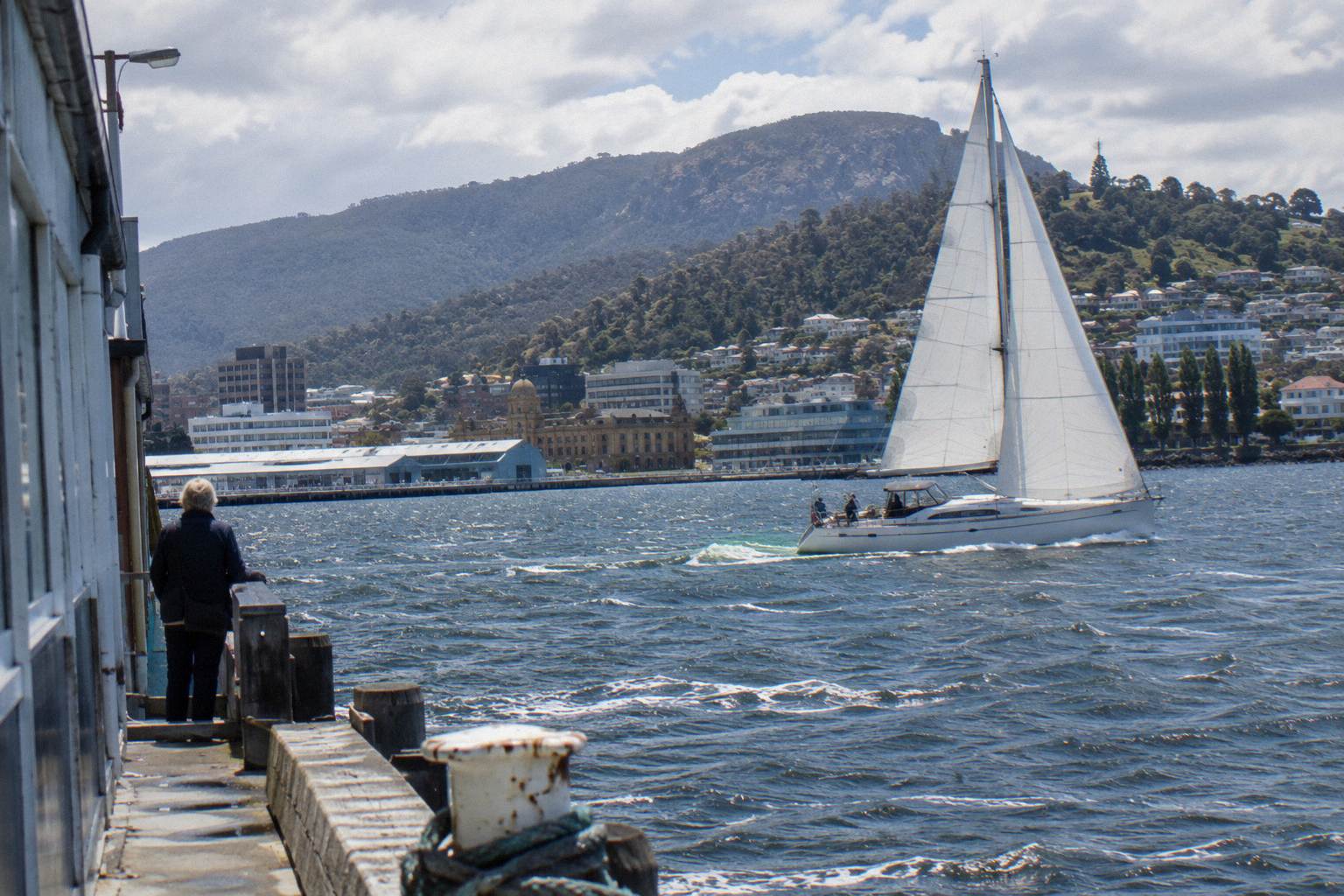
In short: No. The operator states the Hobart sailing experience is suitable for all ages and experience levels. A professional skipper and crew sail the yacht, Helsal IV, for the full 3 hours, and sailing instruction is included only if you ask for it. You bring grippy flat-soled shoes and nothing else by way of qualification. If you want actual skills, Hobart clubs run beginner courses. This article keeps the two separate.
Read more about sailing and wilderness cruises from Hobart in the sailing versus wilderness cruise comparison.
| Quick Facts | Detail |
|---|---|
| Experience needed for the featured sail | None; operator says suitable for all ages and experience levels |
| Who sails the yacht | Professional skipper and crew |
| Vessel | Helsal IV, a 62 ft Dynamique 62 cruiser-racer |
| Duration | 3 hours, morning or afternoon |
| Meeting point | Kings Pier Marina, 2 Franklin Wharf |
| Price | From US$115 per person on the booking page |
| Rating | 4.9 across 89 reviews |
| Footwear | Flat-soled grippy shoes required; bare feet, high heels and thongs not allowed |
| Cancellation | Free up to 24 hours before |
No, you do not need any sailing experience to sail in Hobart. The operator describes the 3-hour sail as suitable for all ages and experience levels, with a professional skipper and crew running the yacht the whole way, optional sailing instruction, and no requirement for a certificate, a resume or a trial run.
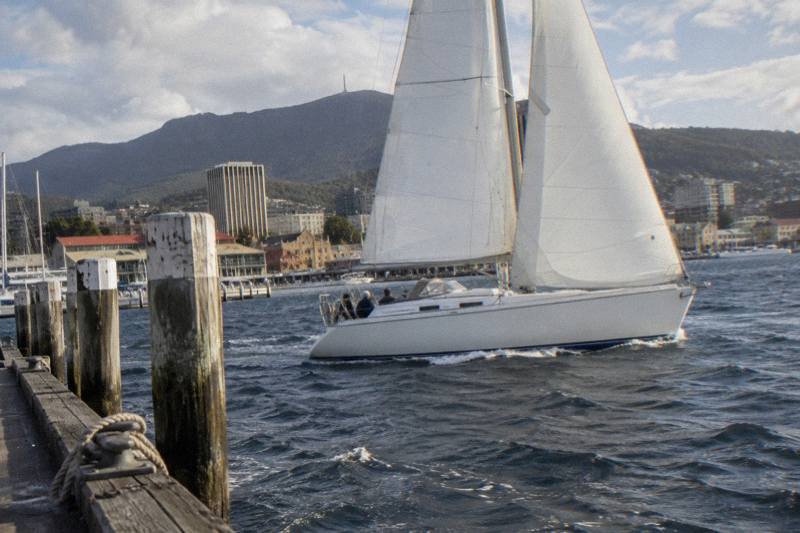
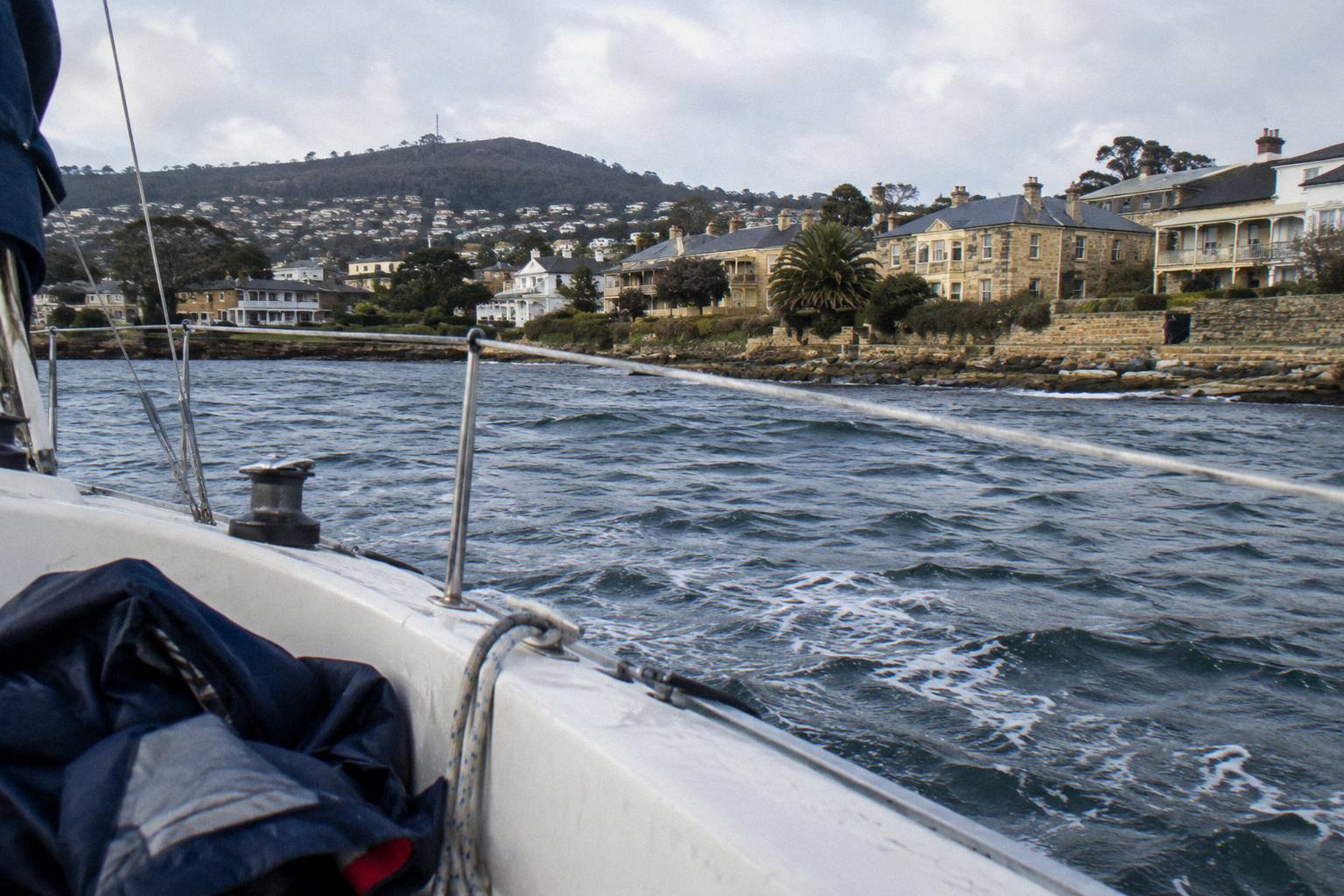
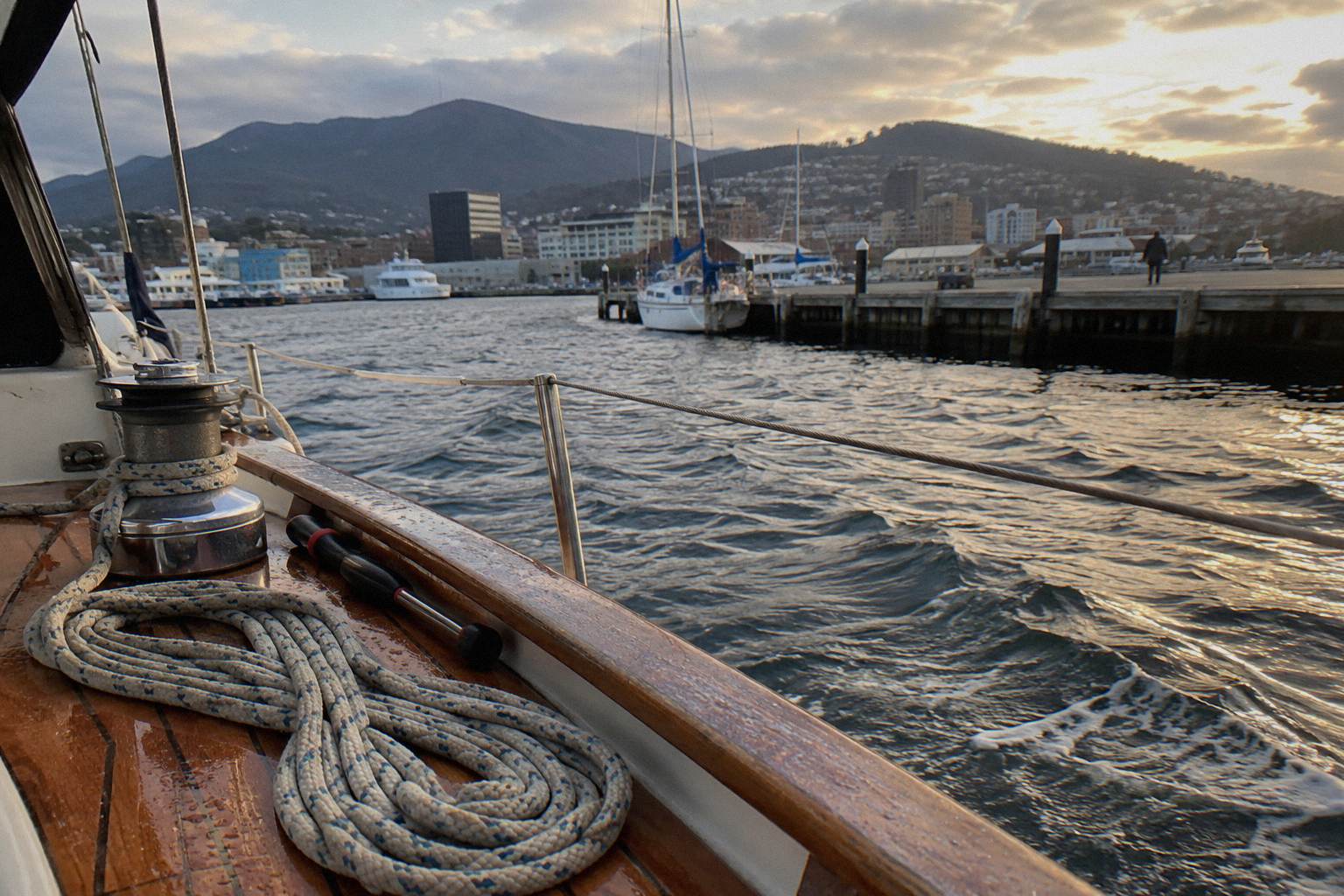
The product behind that answer is the Hobart Sailing Experience, run by the operator's tour page on Helsal IV, a Dynamique 62 cruiser-racer designed by Philippe Briand and built in France. The yacht is 62 feet, 18.65 metres, has a 150 HP diesel auxiliary and has taken part in several Sydney to Hobart races. Guests meet at Kings Pier Marina, 2 Franklin Wharf, where the yacht is the last boat on the far left of the pier; the operator suggests arriving about 10 minutes early.
What the trip is not: a course. It is a guided sail with snacks and non-alcoholic drinks included, tea, coffee and water, with Tasmanian wine and beer available at regular bar prices if you want them. Sailing instruction is listed as included if desired, which means the crew will explain what is happening and teach you things if you ask. Guests can take the helm and work the winches as much as they like, so you are welcome to take a turn steering or trimming sails. For a fuller walk-through of that question, see whether you can help sail the yacht in Hobart.
Do I Need Experience To Go Sailing?
No, if you book a skippered sail in Hobart, which is a passenger experience with optional instruction. Yes, if you want to sail a boat yourself, either as crew on someone else's yacht or skippering your own. A dinghy or keelboat demands trained skills and physical coordination, and racing adds the need for a crew who trust you, which is why Australian Sailing runs formal courses from Start Crewing upward.
The distinction matters because the words overlap. Someone who has done the Helsal IV sail three times has a genuine feel for what a yacht does, how it heels and how a crew communicates, and that is worth having. It does not make them crew. It makes them an informed passenger, which is precisely what the product is designed around: the operator's page says the experience suits all ages and experience levels because the skipper and crew carry the responsibility for the boat and everyone on it.
If you are weighing a taste of sailing against learning it, the comparison comes down to cost and time. The sail runs from US$115 per person on the booking page for 3 hours, with no homework and no commitment. Club courses take longer and cost money whose amounts are not printable here because the club fee figures carry no stated currency; the clubs list their current fees, so ask them. One is an afternoon on the Derwent. The other is the start of a skill that lasts a lifetime. Most readers asking the eligibility question want the first, and there is nothing wrong with that.
What Actually Happens On A Skippered Sail With No Experience
You arrive at the marina, meet the skipper and crew, hear a short safety and housekeeping brief, then the professional crew handles the 62-foot yacht on a 3-hour harbour sail, so no sailing experience is needed from you. Wear flat-soled grippy shoes, since bare feet, high heels and thongs are banned; note the vessel is not wheelchair accessible and infants must sit on laps.
The practical details are unusually clear on the operator's FAQ page. Parking on the dock is 2 hour or permit only, so the nearest all-day options are the car parks at Dunne Place and Evans Street at Macquarie Point, Market Place and Argyle Street. Boarding is at a fixed meeting point rather than a hotel pickup, which is not included, and the yacht carries limited spare wet weather gear, so bring your own if rain looks possible. None of this requires experience; it requires shoes and punctuality.
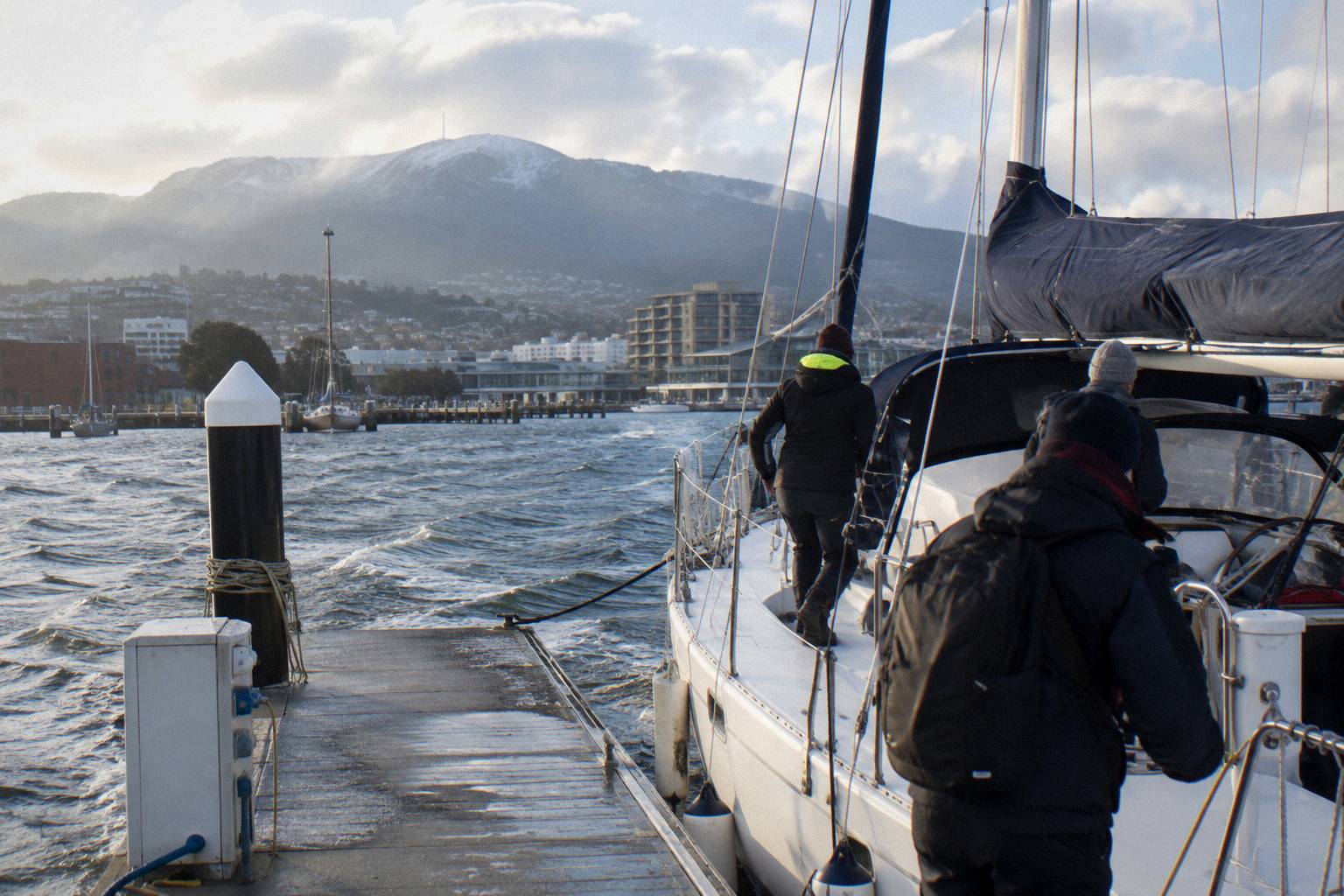
On the water, the split of roles is simple. The skipper and crew sail the yacht, including the diesel auxiliary when conditions call for it; the operator makes no claim about how long the yacht is under sail versus engine on any given day. Guests receive sailing instruction if they want it and commentary throughout. Families fit the model well: the sail is all ages, with a child rate for 4 to 17 and infants under 4 free on laps. What the weather will do is never promised; the skipper cancels if it is too bad, and a gale forecast cancels the day before, with reschedule or full refund options.
The things the sail does not cover are worth naming so nobody books the wrong product. Alcohol is not included, though Tasmanian wine and beer is sold aboard at regular bar prices. Hotel pickup is not included. Wet weather gear is not included beyond a few spares. And the experience is not a certificate: at the end of 3 hours you have sailed on the Derwent, not learned to sail it. That last point is where the club route begins.
Sailing Instruction On Board: What The Operator Does And Does Not Promise
This is the one genuinely grey zone in an otherwise well-documented product, and it deserves plain handling. Instruction can mean many things: a skipper narrating what the trimmer is doing, walking a guest through a tack verbally, or handing over a helm under supervision. Sailing instruction is included if desired. Hands-on turns are on offer: guests can take the helm and work the winches as much as they like, per the operator page and the listing.
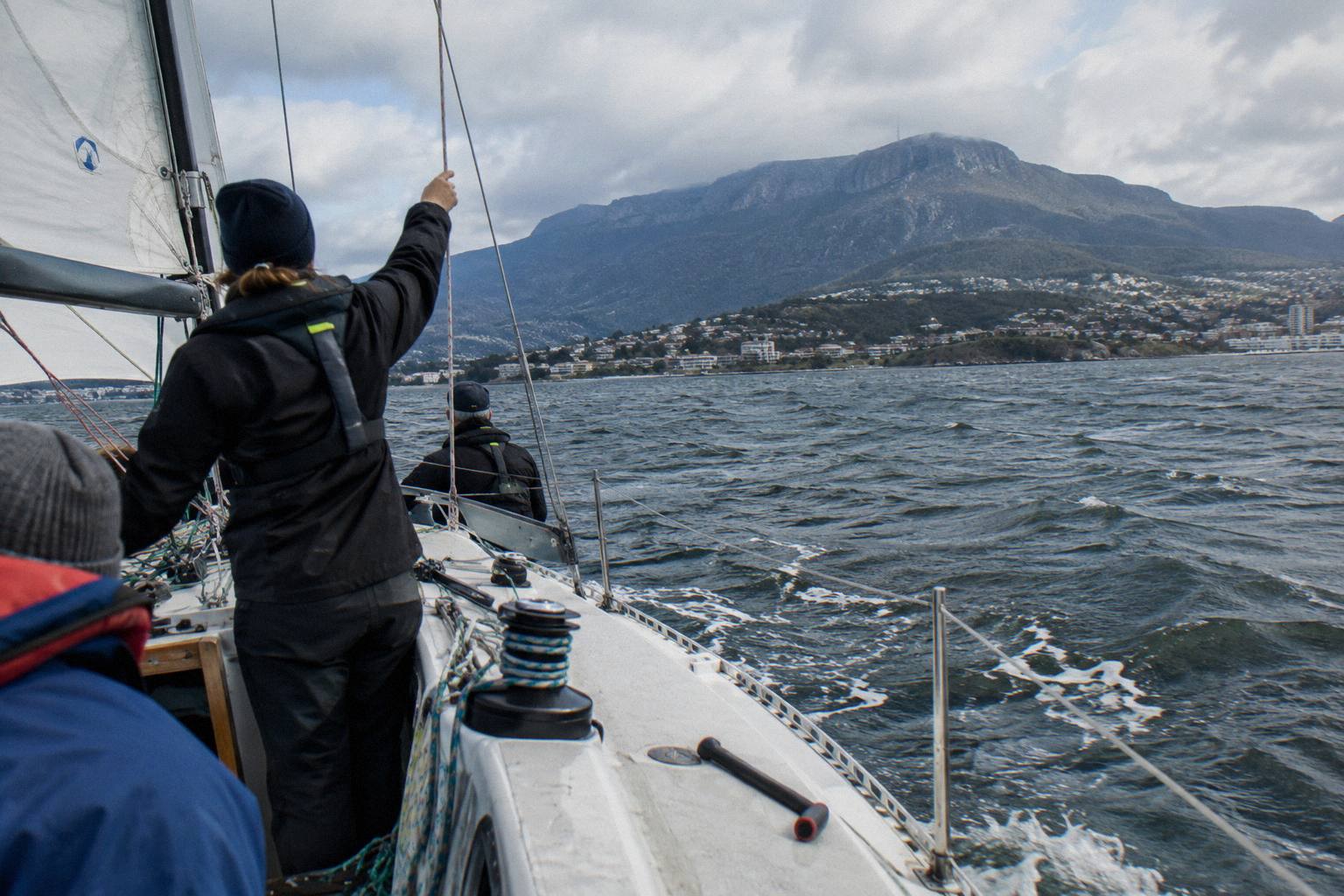
Age and ability round out eligibility. The operator says all ages and experience levels; the booking page adds the physical notes: not wheelchair accessible, infants on laps. Harbour sailing is described as well protected by the operator, which speaks to exposure rather than to any promise of calm water on the day. The skipper holds final say on weather, cancelling if conditions are too bad, with reschedule or full refund following. For what happens when wind threatens the whole plan, read what happens when it is too windy to sail in Hobart.
What If You Want Real Skills: Club Courses In Hobart
Hobart's clubs run structured beginner pathways that need no prior experience, only time: Royal Yacht Club of Tasmania offers Discover Sailing sessions of 3 to 4 hours plus Australian Sailing Crew and Helm courses on its Young 88 keelboat, Sandy Bay Sailing Club runs adult Learn to Sail in Pacer dinghies with a certificate, Derwent Sailing Squadron's SailTrain covers Start Crewing over 12 hours in 2 days, and Bellerive runs Tackers for children, with fees on the club pages.
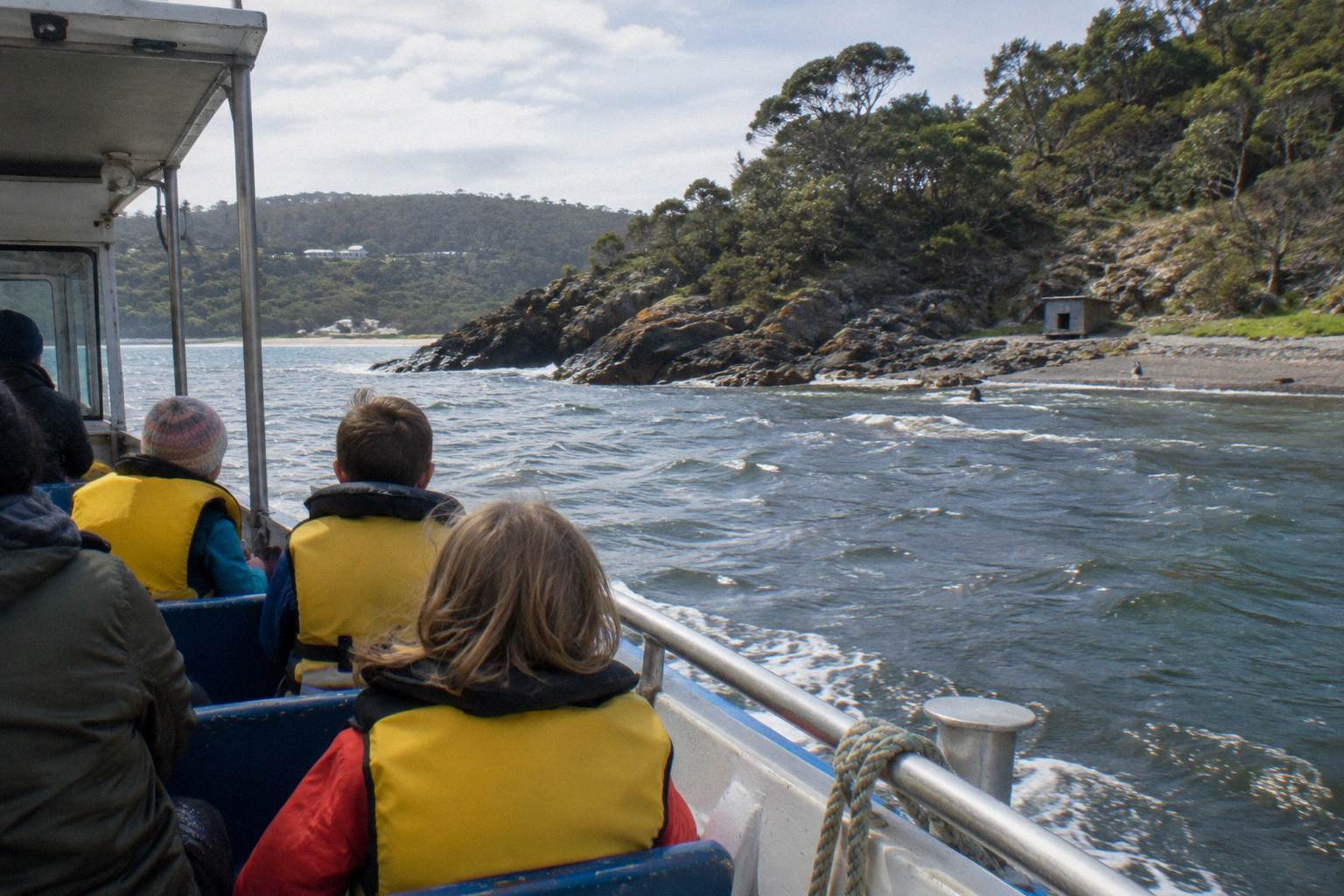
The club route suits a different reader: someone who wants to be useful on a boat, race one day, or charter with confidence. The Royal Yacht Club of Tasmania's learn to sail page outlines its Discover Sailing format, a safety briefing, rigging a boat, a sail session and a visit to Kings Pier, which is a genuine on-water trial of the sport for a small time investment. The Sandy Bay Sailing Club programs page lists its adult Start Sailing 1 course with member and non-member rates and a certificate on completion, plus Cadet Learn to Sail for ages 9 to 17.
For children, the pathways are clear and national. Tackers, Australian Sailing's program, runs for ages 7 to 12 with boats and life jackets provided, and Little Tackers covers 4 to 6. Optimist and Sabot dinghies are often started around 6 to 9. For adults wondering about age limits, no official source states one: clubs list adult beginner courses, and the race organisation behind the Sydney to Hobart notes participants into their 80s on its people page. The deeper dive on ages and costs lives in the guide to learning to sail in Hobart.
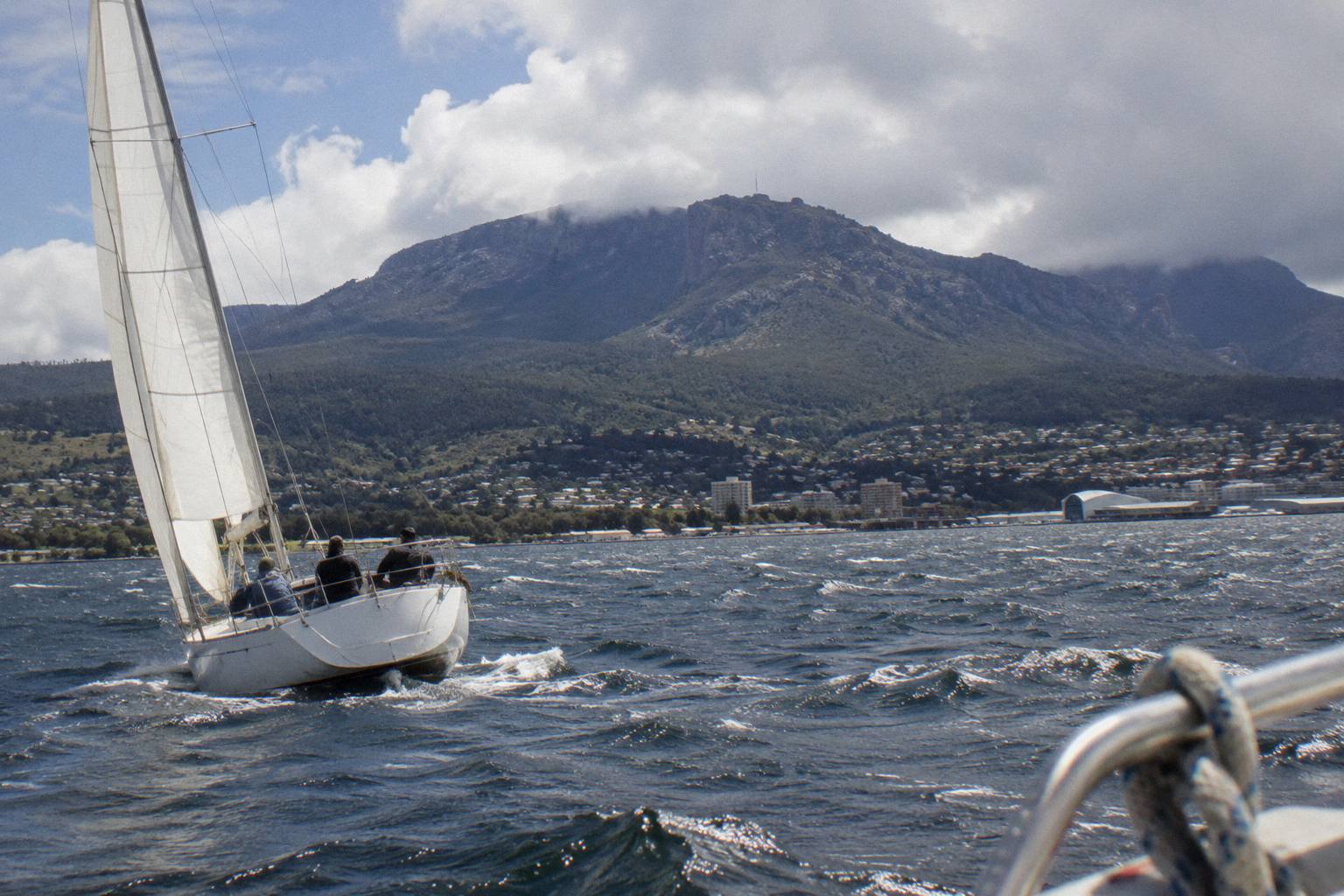
Here is the comparison in one table. Note that club fees are excluded entirely: the source figures carry no stated currency, so no amount is printed, and the only price below is the booking-page from-price. Guests can also take the helm and work the winches as much as they like, per the operator page and the listing.
| Path | What you get | Time | Prerequisite | Cost |
|---|---|---|---|---|
| Hobart Sailing Experience | Skippered 3-hour sail, instruction if wanted, snacks and drinks | 3 hours | None; all ages and levels | From US$115 per person |
| RYCT Discover Sailing | Safety brief, rig a boat, sail session, Kings Pier visit | 3 to 4 hours | None | Club lists current fees |
| Sandy Bay Learn to Sail | Start Sailing 1 in Pacer dinghies, certificate | Course format | None | Club lists current fees |
| DSS SailTrain Start Crewing | Keelboat crewing skills, certificate, equipment provided | 12 hours over 2 days | None | Club lists current fees |
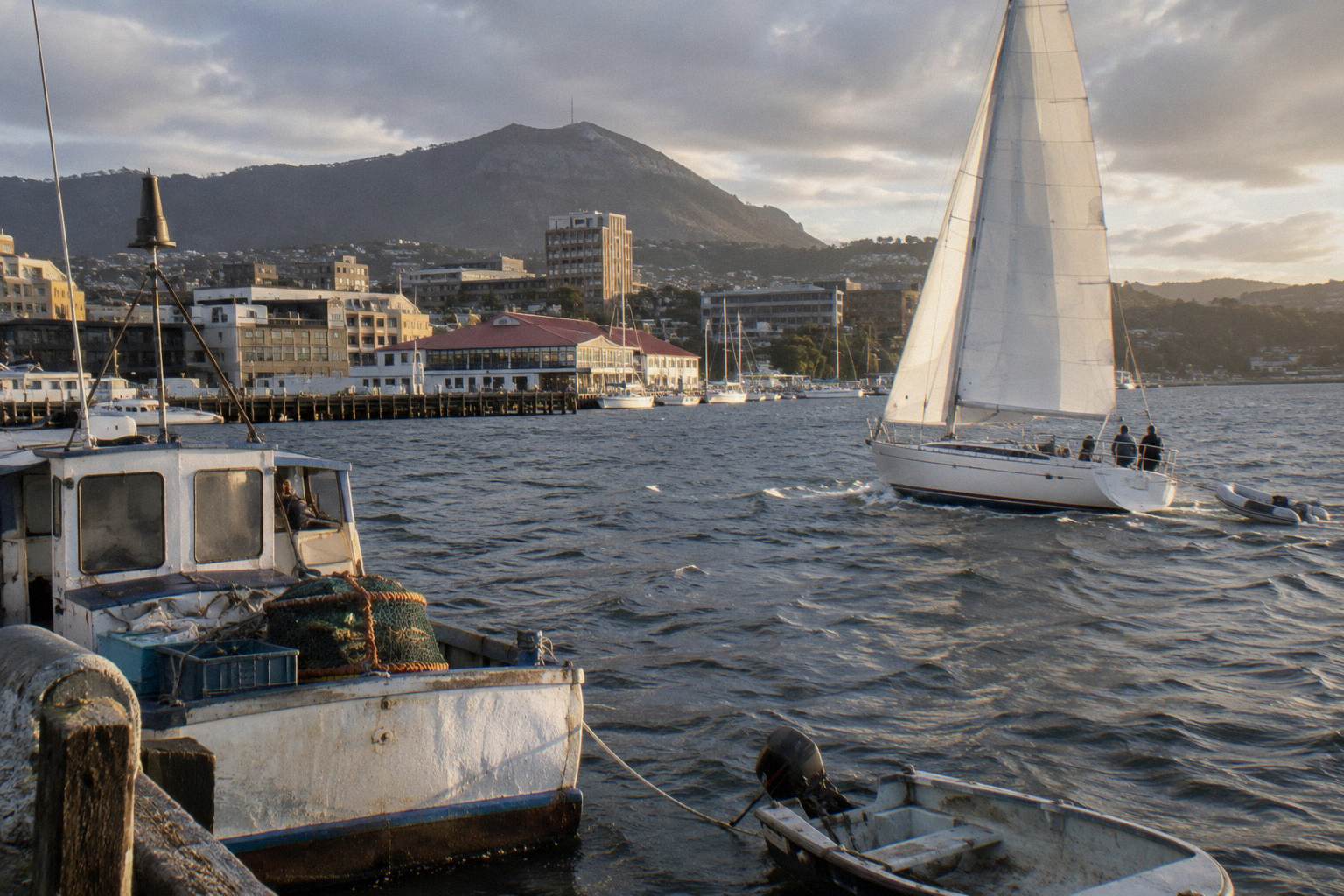
Trying Sailing Without Committing: The Sensible Sequence
Start with a skippered sail before you spend anything on courses: one 3-hour outing from US$115 per person tells you whether you actually enjoy being on the water, which no brochure can. If it hooks you, the club pages above are your next call; if not, you have paid dinner money for a real sail on the Derwent while the crew did the work.
Sequencing also protects your money. The booking page carries free cancellation up to 24 hours before, and the skipper cancels outright if the weather is too bad, with reschedule or full refund, so the trial itself is low-risk. The minimum group is 4 guests for a departure, and if the operator cannot fill one, the options are reschedule, voucher, paying the difference for a private option, or a full refund. Weather and minimum numbers, not your skill, are the only realistic obstacles between you and the water.
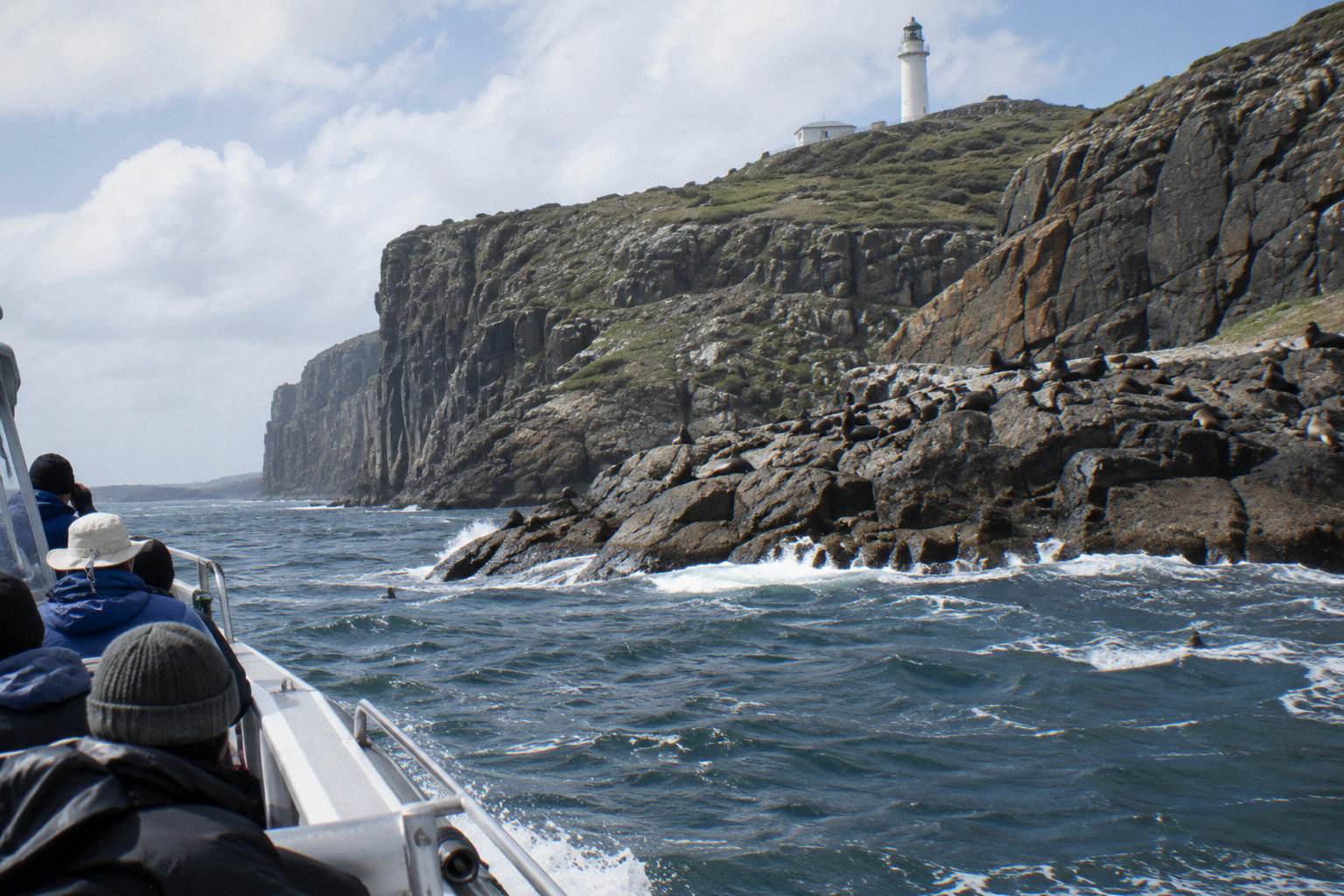
For readers whose interest is wildlife and coastline rather than yachts, the fork is different: the Pennicott wilderness cruises are motor-powered cruises, not sailing, and comparing them with Helsal IV on skill grounds is a category error. The Bruny Island Wilderness Coast full day costs from US$195 per person and runs about 9.5 to 10 hours with a 3-hour cruise, rated 4.8 across 578 reviews; the Tasman Island day tour runs about 10.5 hours with no price or rating stated, so ask the operator. Both welcome children of all ages on the cruises. On the sailing side, hands-on turns are part of the deal: guests can take the helm and work the winches as much as they like ((operator page and the listing)). Which of those suits you is a separate question, covered in the comparison guide linked above.
Common Mistakes When Booking A First Sail
The recurring mistakes are booking the wrong product for the goal, arriving in thongs or bare feet, assuming hotel pickup, and expecting guaranteed wind or wildlife. Each one is avoidable in a minute of reading. The operator's FAQ answers the shoe, parking and weather questions directly, and the eligibility answer, no experience needed, is stated on the tour page. Guests can take the helm and work the winches as much as they like, and sailing instruction is included if desired, so no one needs to ask first.
First, mismatched goals. If the aim is a certificate or crewing ability, a skippered sail will not deliver it, and a club course will; confusing the two produces disappointment that the product never promised to prevent. Second, footwear: the operator bans bare feet, high heels and thongs, and this is enforced practically because a 62-foot deck in anything grippy-less is a hazard. Third, logistics: there is no hotel pickup, the meeting point is the marina, dock parking is 2 hour or permit only, and the all-day car parks are a walk away. Arriving about 10 minutes early, at the last boat on the far left of the pier, is the operator's own direction.
Fourth, expectations about the day. No source promises wind strength, speed, heel, sightings or views, and none should. What the operator does say is that harbour sailing is well protected and that a gale forecast cancels the day before. Fifth, the minimum-numbers rule: with 4 guests needed for a scheduled departure, a solo traveller should know the reschedule-or-refund options before booking rather than after. Sixth, alcohol is not included in the ticket; wine and beer are sold at regular bar prices, so budget accordingly. None of these are hidden, they are simply on the FAQ rather than the checkout page.
Booking in the right order removes most of the risk. Read the FAQ before the checkout page, because that is where the shoe, parking and weather answers sit, then check the forecast before you pay. Free cancellation runs to 24 hours before departure, so a deteriorating forecast still leaves an exit, and if a gale is coming the skipper cancels the day before with a reschedule or a full refund. Add the 4-guest minimum, which carries a reschedule, a voucher or a full refund, and the pattern is clear: in every scenario that commonly undoes a booking, the money is recoverable. The real exposure is the date, not the dollars, so if the sail is the centrepiece of a short trip, keep a spare day behind it.
The day itself is a packing and parking exercise. Dock parking is 2 hour or permit only, and the operator's directions point instead to Macquarie Point, Market Place and Argyle Street, so the 10-minute-early arrival doubles as the buffer for the walk in from any of them. Bring your own wet weather gear rather than counting on the limited spares aboard, wear something flat and grippy for the 62-foot deck, and budget separately for wine and beer at regular bar prices, since alcohol sits outside the ticket.

Last, match the product to the person. The stated eligibility is simply no experience needed, no official source sets an upper age, and the Sydney to Hobart notes participants into their 80s, so neither first-timer status nor age disqualifies anyone. The disappointment cases all come from wanting what the sail does not sell, a certificate or a guaranteed turn at the wheel, so settle the hands-on question with the operator before you pay and the mistakes above mostly dissolve. Guests can take the helm and work the winches as much as they like, and sailing instruction is included if desired.
| Mistake | The fix |
|---|---|
| Expecting to steer or trim | Hands-on turns are included: take the helm and work the winches as much as you like, with sailing instruction if desired |
| Wrong footwear | Flat-soled grippy shoes; no bare feet, heels or thongs |
| Assuming pickup | Meet at Kings Pier Marina, 2 Franklin Wharf, 10 minutes early |
| Parking on the dock | 2 hr or permit only; use Macquarie Point, Market Place or Argyle Street car parks |
| Expecting gear | Bring your own wet weather gear; only limited spares aboard |
| Expecting a certificate | The sail is an experience; clubs issue certificates |
Common Questions About Sailing Without Experience
Do I Need Sailing Experience To Sail In Hobart?
No. The operator states the Hobart sailing experience is suitable for all ages and experience levels, with a professional skipper and crew sailing Helsal IV throughout. Sailing instruction is included if you want it and nothing more is asked of you.
Do I Need Experience To Go Sailing?
Not for a skippered sail, which is a passenger experience with optional teaching. To sail a boat yourself, as crew or skipper, you need trained skills, which is what Australian Sailing courses at Hobart's clubs provide from a zero-experience start.
Can I Steer The Yacht On A Skippered Sail?
Yes. Guests can take the helm and work the winches, as much as they like, and sailing instruction is included if desired.
What Should I Wear And Bring?
Flat-soled grippy shoes are required; bare feet, high heels and thongs are not allowed. Bring your own wet weather gear since only limited spares are aboard. Snacks and non-alcoholic drinks are included, with wine and beer sold at regular bar prices.
Is There An Age Limit For Beginners?
No official source states an upper age limit for adult beginners, and clubs list adult courses; the Sydney to Hobart race organisation notes participants into their 80s. For children, Tackers runs for ages 7 to 12 with Little Tackers from 4.
Should I Do The Sail Or A Club Course First?
Do the sail first if you are unsure you will like the water: 3 hours from US$115 per person, free cancellation to 24 hours before, no prior skill. Move to a club course if you come back wanting to be useful on a boat.