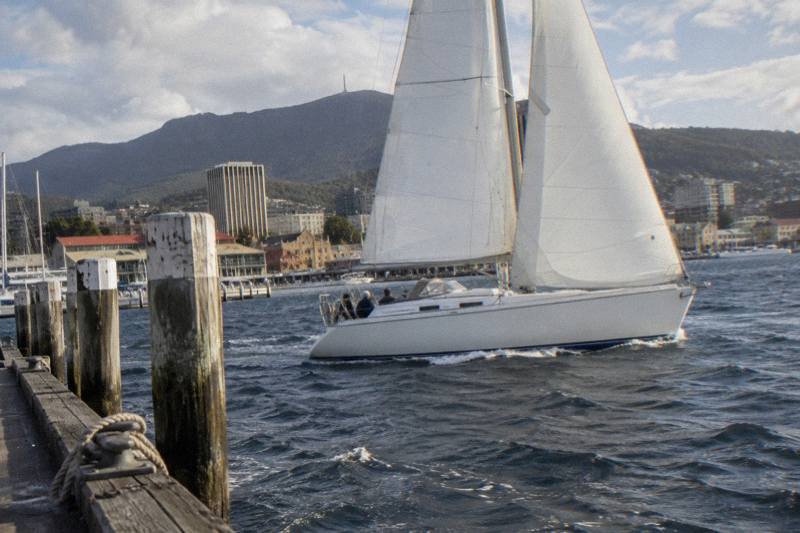
What Happens If It Is Too Windy To Sail In Hobart?
Weather cancellation on a Hobart sail: who decides, what a reschedule or refund looks like, and what to do when the forecast turns.
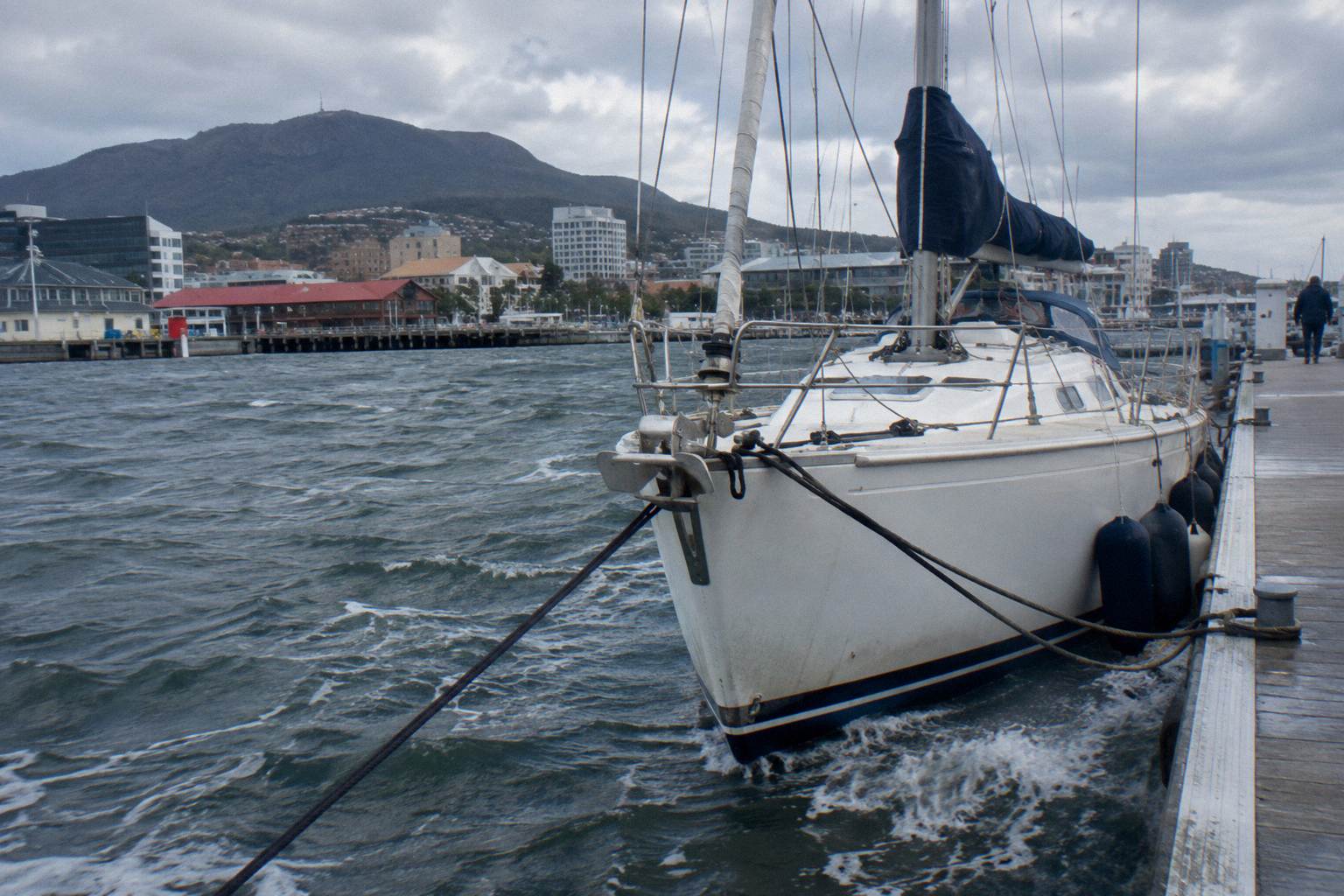
In short: the skipper decides, not you and not the forecast app. If weather makes the sail unsafe, the skipper cancels, and the booking is rescheduled or refunded in full. On the Hobart Sailing Experience, the operator's FAQ records a gale forecast cancelling a sail the day before. You also keep free cancellation up to 24 hours before, whatever the sky is doing, so a windy outlook never costs you the fare.
For the wider picture on seasons and conditions, see Derwent River sailing conditions; for packing, what to wear sailing in Hobart.
| Quick Facts | Detail |
|---|---|
| Who cancels for weather | The skipper, if weather makes the sail unsafe |
| Notice a gale can bring | An operator FAQ case had a sail cancelled the day before |
| Outcome of a weather cancellation | Reschedule or full refund |
| Free cancellation window | Up to 24 hours before, per the booking page |
| Minimum guests | 4; if unmet: reschedule, voucher, pay the difference, or full refund |
| Harbour exposure | Harbour sailing is well protected, per the operator FAQ |
| Summer mean maximum | 21.8 °C in January and February |
| Strongest recorded gust | 139 km/h in the BoM Hobart record |
| Wind-speed cancellation threshold | Not stated; ask the operator |
If it is too windy to sail in Hobart, the skipper cancels only when conditions are genuinely unsafe, and every weather cancellation on the Hobart Sailing Experience, a three-hour sail from Kings Pier Marina, is rescheduled or fully refunded through the booking page. Wind alone rarely ends your plans, and a windy forecast means checking in with the operator, not writing off your fare.
The mechanics are simple once you separate the two decision-makers. The skipper owns the safety call: wind, sea state and the day's conditions are judged on the water, by the person responsible for the boat and everyone on it. The booking page owns the money side: it offers free cancellation up to 24 hours before for a full refund, and if weather makes the sail unsafe it is rescheduled or refunded in full. Neither of those paths leaves you out of pocket for weather.
A real example sits in the operator's FAQ: a gale forecast has cancelled a sail the day before. That is worth noticing for two reasons. First, the call can come early, the day before rather than at the dock, which gives you a chance to reorganise a Hobart day. Second, it confirms the operator does use the cancellation when the forecast warrants it, rather than pushing out in conditions that should stay ashore.
Helsal IV, the 62-foot cruiser-racer that runs the sail, also has a 150 HP diesel auxiliary, so the boat is not dependent on sail alone. How the skipper mixes sail and engine on any given day is their call and depends on conditions; nothing is promised either way. What you book is a skippered three hours on the water, with snacks, tea, coffee and water included, from US$115 per person on the booking page.
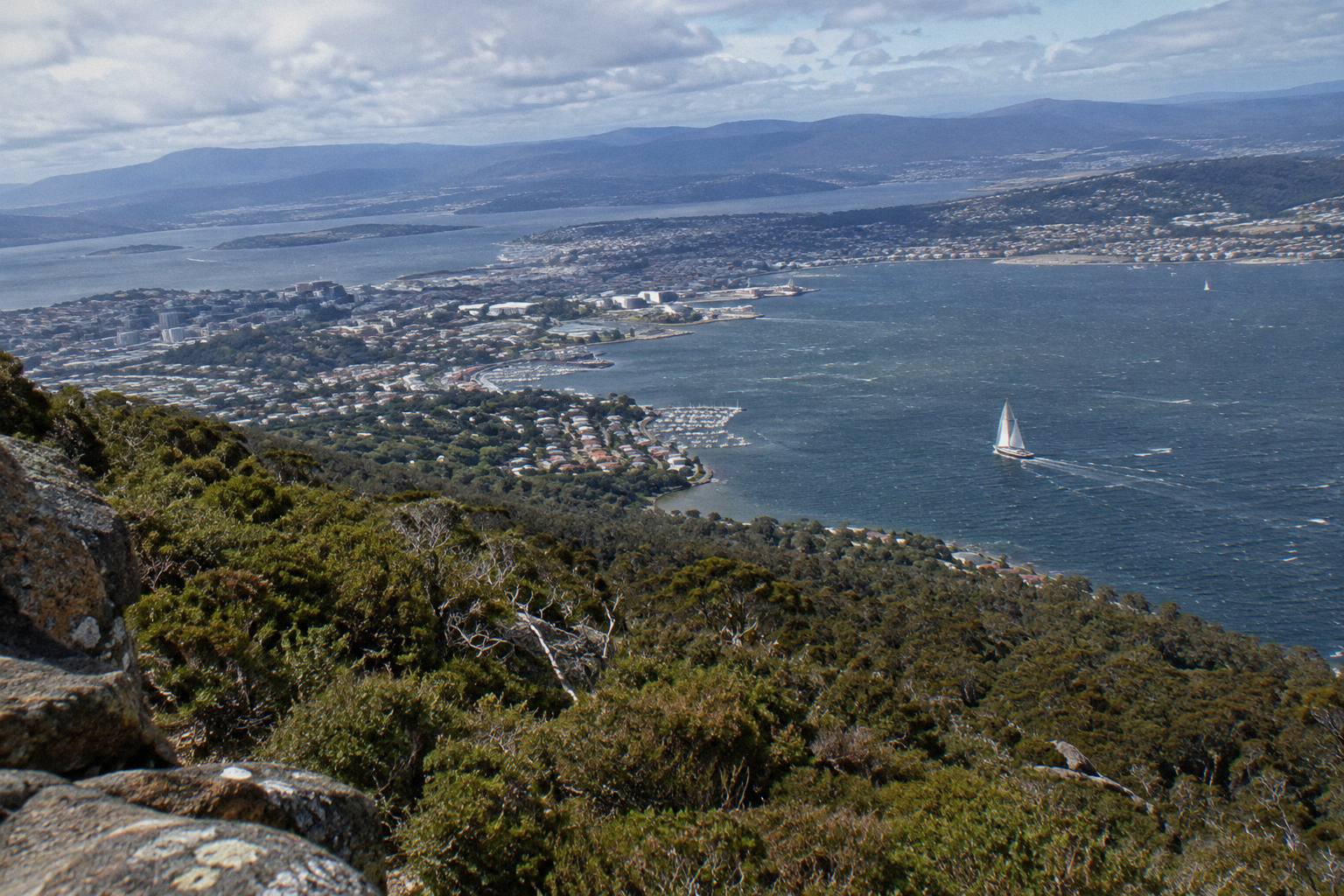
Before any of this matters, you need a sailing day booked. The three options below cover the harbour sail and two full-day cruise alternatives that suit a different kind of day.
Who Decides If The Sail Goes Ahead?
The skipper decides, and only the skipper. Hobart Yachts, the operator of the Hobart Sailing Experience, says plainly in its FAQ that the skipper cancels if the weather is too bad, and the recorded example is a gale forecast that cancelled a sail the day before. There is no wind-speed number you can check yourself, and no obligation on you to judge the conditions. Your job is to turn up on time; the safety judgment belongs to the crew.
That division of responsibility is standard on commercial passenger vessels, and it is worth understanding why it works in your favour. The skipper sees the actual forecast, knows the boat, knows the harbour, and carries legal responsibility for everyone aboard. A forecast that looks alarming on an app may be entirely workable inside a well protected harbour; the operator FAQ describes harbour sailing exactly that way. Conversely, a day that looks fine can carry a swell or gust forecast that makes the call for them.
The timing of the call varies with the forecast. A gale warning can settle the question the day before, as in the FAQ case. Marginal days may run closer to the departure time. The practical consequence is the same: keep your phone reachable, watch your email, and have a rough plan B for the morning or afternoon slot you booked. If you are sailing on a tight schedule, a one-night stop in Hobart with a morning sail the day you fly out is a riskier pattern than a sail with a spare morning behind it.
What you should not do is pre-cancel on a windy-looking forecast and assume the trip was doomed. If you cancel inside the final 24 hours for reasons other than operator policy, you are outside the free-cancellation window. If you let the skipper make the call and they cancel for weather, the reschedule-or-full-refund outcome applies. When in doubt, contact the operator and ask; they would rather answer a question than have a guest cancel a sail that was going ahead.
How A Reschedule Or Refund Actually Works
A weather cancellation ends one of two ways on the booking page: you reschedule, or you take a full refund. If the minimum of 4 guests is not met, the FAQ lists four outcomes (reschedule, a voucher, paying the difference for a private option, or a full refund), and with free cancellation up to 24 hours before, the fare comes back to you in every weather scenario.
The situations are easiest to see side by side. The table below sets out the stated outcomes for the Hobart Sailing Experience, exactly as the operator and the booking page describe them.
| Situation | Who triggers it | Outcome |
|---|---|---|
| Weather makes the sail unsafe | Skipper cancels | Reschedule or full refund |
| Gale forecast the day before | Skipper cancels | Reschedule or full refund |
| Fewer than 4 guests booked | Operator | Reschedule, voucher, pay the difference, or full refund |
| You cancel more than 24 hours ahead | You | Full refund, free cancellation |
| You cancel inside 24 hours | You | Outside the free window; ask the operator |
One caution: these are the booking-page terms, the ones the links on this site lead to. The operator also sells direct, and its direct-booking cancellation scale is different; if you book through the operator's own site rather than the booking page, confirm the terms that apply to your booking before you rely on any of the above. Do not assume the two scale together.
A reschedule is usually the path of least friction if your Hobart dates allow it. The sail runs mornings or afternoons, three hours each, so a cancelled morning can often become an afternoon or a next-day sailing, space permitting; the operator states open charter times of 9am to 12pm and 2pm to 5pm from October to March, and 10am to 1pm in September, April and May. Winter dates are not stated, so check the booking page for winter sailings. Availability on any specific date is never guaranteed until rebooked, so reply to the operator promptly when a reschedule offer comes.
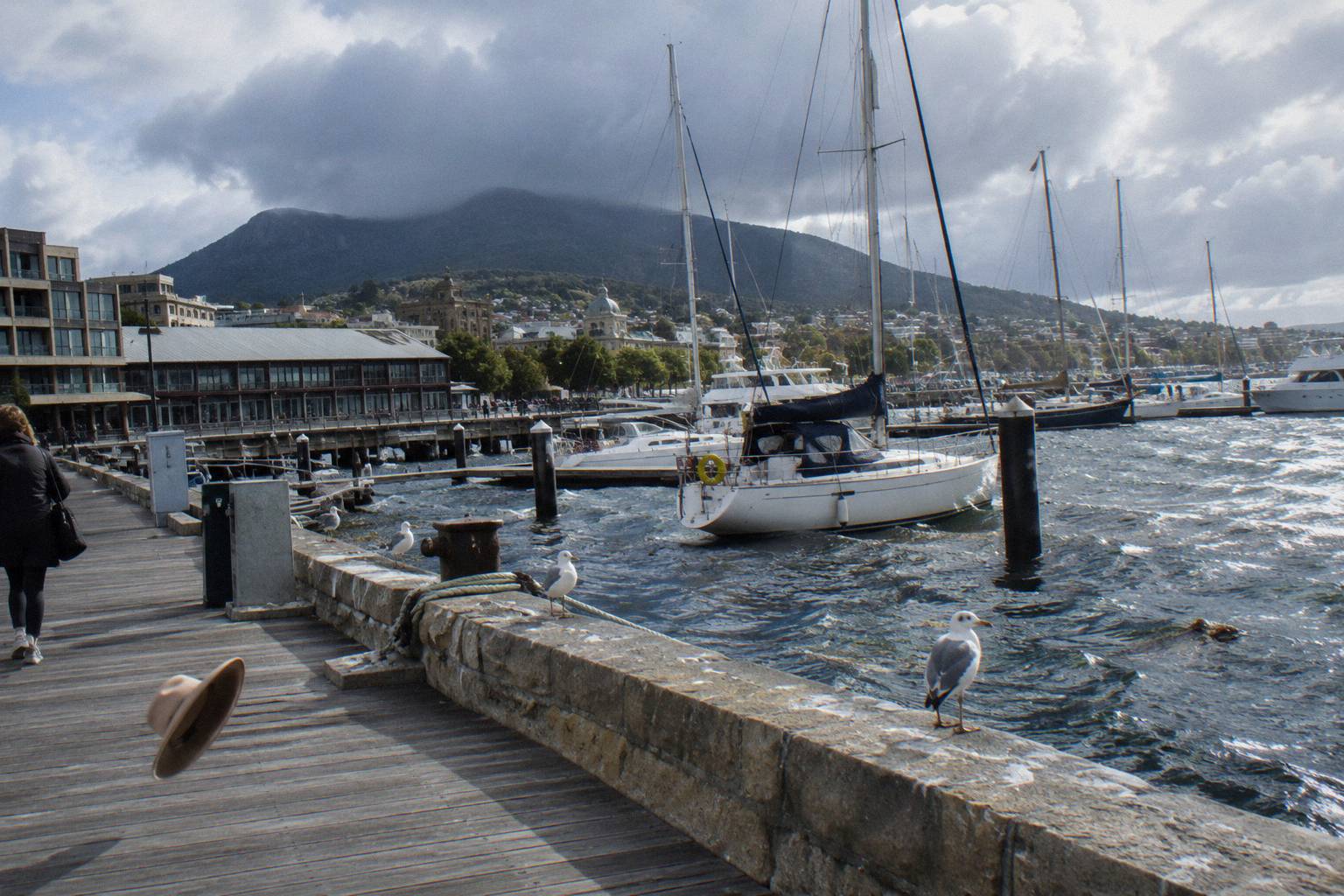
If a refund is the outcome, it flows back through the booking page rather than through the operator's till, which keeps the process clean. Nothing in the stated terms charges a fee for a weather cancellation. That symmetry, a full refund whether you cancel 25 hours ahead or the skipper cancels at the dock, is the core answer to the wind question.
Wind Cancellation For A Sail In Hobart
No wind-speed threshold for cancellation exists in any source, and it would be a mistake to look for one. The operator does not publish a knots figure, a gust limit or a sea-state scale that triggers a cancellation, and none should be invented here. The skipper's judgment, applied to the boat, the harbour and the forecast, is the entire mechanism. If you want to know how a specific forecast is treated, ask the operator directly before booking.
This absence of a number is not evasion; it reflects how safety calls actually work. A 25 km/h north-west wind with a short chop inside the harbour is a different proposition from the same figure with a long fetch and a forecast building through the afternoon. Boat, tide, gust factor, guest mix and the skipper's read of the day all enter the decision. A published threshold would be either so high it was reckless or so low it cancelled perfectly good sails.
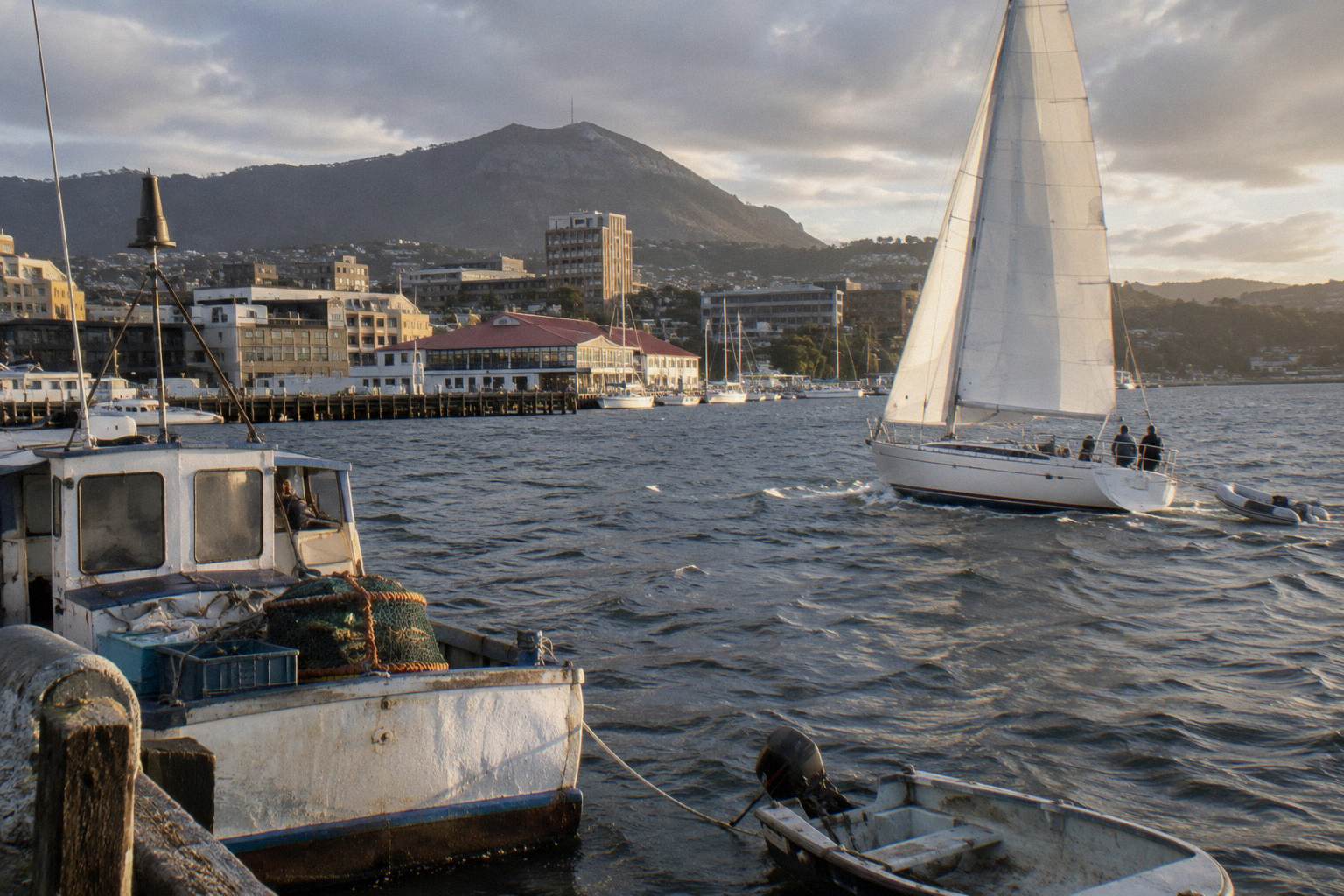
What you can usefully check yourself is the Bureau of Meteorology's long-term climate table for Hobart. The long-term 9am mean wind runs about 11 to 15 km/h and the 3pm mean about 12 to 19 km/h, with spring and summer afternoons the breezier end, and the record gust sits at 139 km/h. Those are averages and extremes, not a forecast and not a rule, but they give a feel for what a typical Hobart day holds. The operator's FAQ page is the place for the day-of question.
It also helps to remember what you are booking. The harbour is described by the operator as well protected, and Helsal IV is a 62-foot cruiser-racer with a diesel auxiliary that has raced Sydney to Hobart races, not a lightweight dinghy at the mercy of every gust. None of that promises a calm day, and none of it overrides the skipper, but it explains why more days sail than the raw forecast might suggest to a first-time visitor.
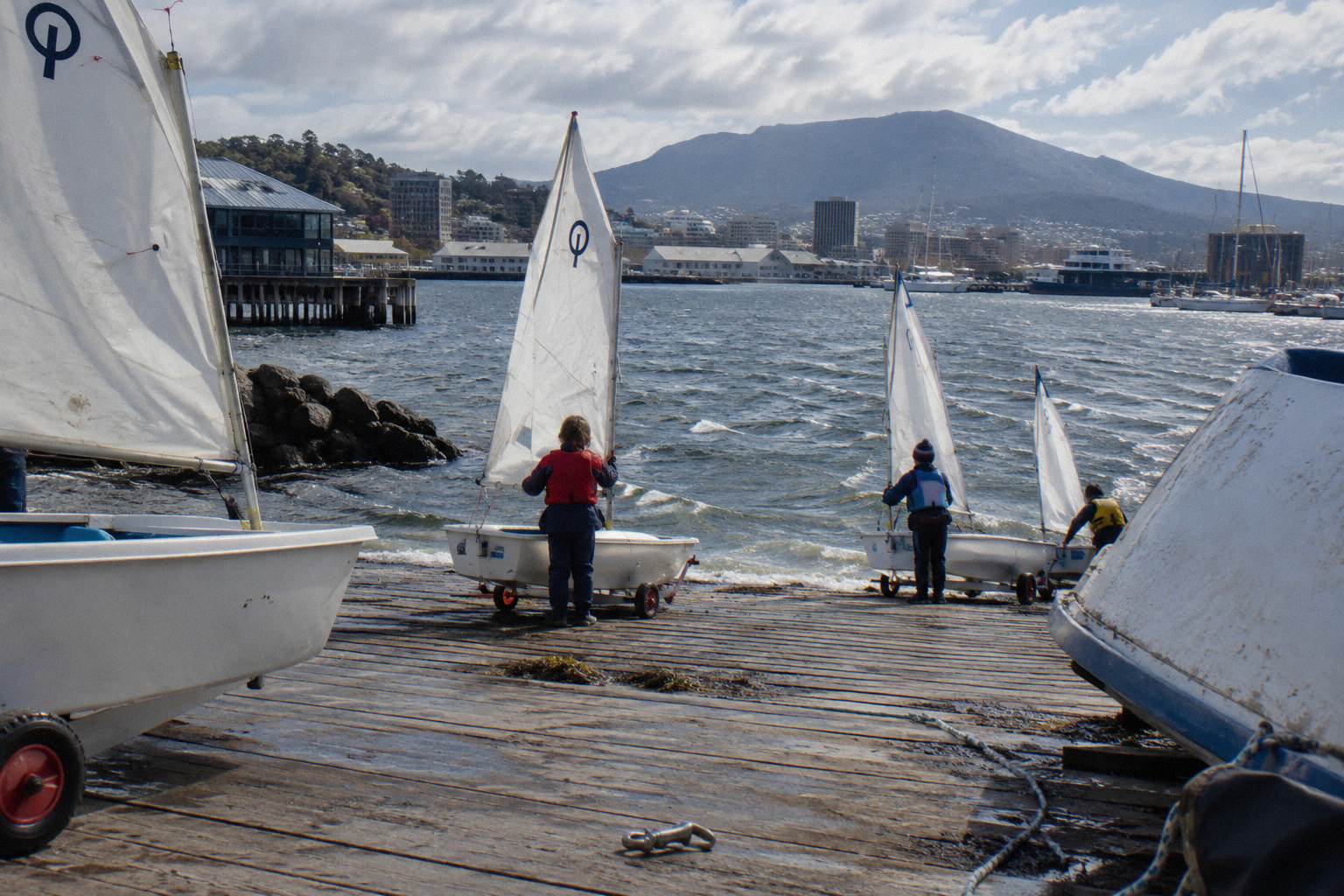
If a genuinely wild day does land on your dates, a motor cruise is a different product, not a downgrade of the same one. The Bruny Island Wilderness Coast Eco Cruise With Lunch runs about 9.5 to 10 hours with a 3-hour cruise component, from US$195 per person, rated 4.8 across 578 reviews, and its cancellation is also free up to 24 hours before.
What Hobart Weather Actually Does Through The Year
Hobart is cooler and steadier than mainland capitals, with mean maximums of 21.8 °C in January and February falling to 11.9 °C in July. Wind averages are modest: about 11 to 15 km/h at 9am and 12 to 19 km/h at 3pm. None of this predicts your sailing day, but it tells you what kind of weather a Hobart booking usually faces.
The full monthly picture, from the Bureau of Meteorology's long-term averages, looks like this.
| Month | Mean max C | Mean min C | Mean rain mm |
|---|---|---|---|
| Jan | 21.8 | 12.1 | 46.3 |
| Feb | 21.8 | 12.1 | 38.6 |
| Mar | 20.3 | 11.0 | 44.1 |
| Apr | 17.5 | 9.0 | 49.1 |
| May | 14.6 | 7.0 | 47.6 |
| Jun | 12.1 | 5.2 | 53.6 |
| Jul | 11.9 | 4.7 | 51.9 |
| Aug | 13.2 | 5.3 | 53.8 |
| Sep | 15.2 | 6.5 | 53.8 |
| Oct | 17.1 | 7.9 | 52.8 |
| Nov | 18.8 | 9.4 | 61.8 |
| Dec | 20.4 | 10.9 | 54.0 |
Two readings follow. First, cold is a bigger planning problem than heat: a summer afternoon sail and a July one are different experiences, and the packing guide covers that split. Second, rainfall is spread evenly through the year rather than clustering into a wet and a dry season, so there is no dry window to chase; the operator's stated season runs September to May, with Tourism Tasmania highlighting December to March for long days and mild conditions. Near 22 December Hobart gets about 15 hours 20 minutes of daylight, against about 9 hours near 21 June, which is why summer sails feel generous.
No source states a Derwent sea-breeze pattern or a seasonal wind direction, so none is described here. If you want the seasonal detail for choosing dates, the best time to sail in Hobart guide owns that question, and Hobart Sailing covers the weather-cancellation rules on this page.
What To Do When Wind Is In The Forecast
Treat a windy forecast as a packing and timing question, not a cancellation question. Wear flat-soled grippy shoes, which the operator requires anyway; bring your own wet weather gear, because only a few spares are on board; and keep your phone reachable the day before and the morning of the sail. Then let the skipper make the call. If they cancel, the reschedule-or-refund outcome takes over automatically.
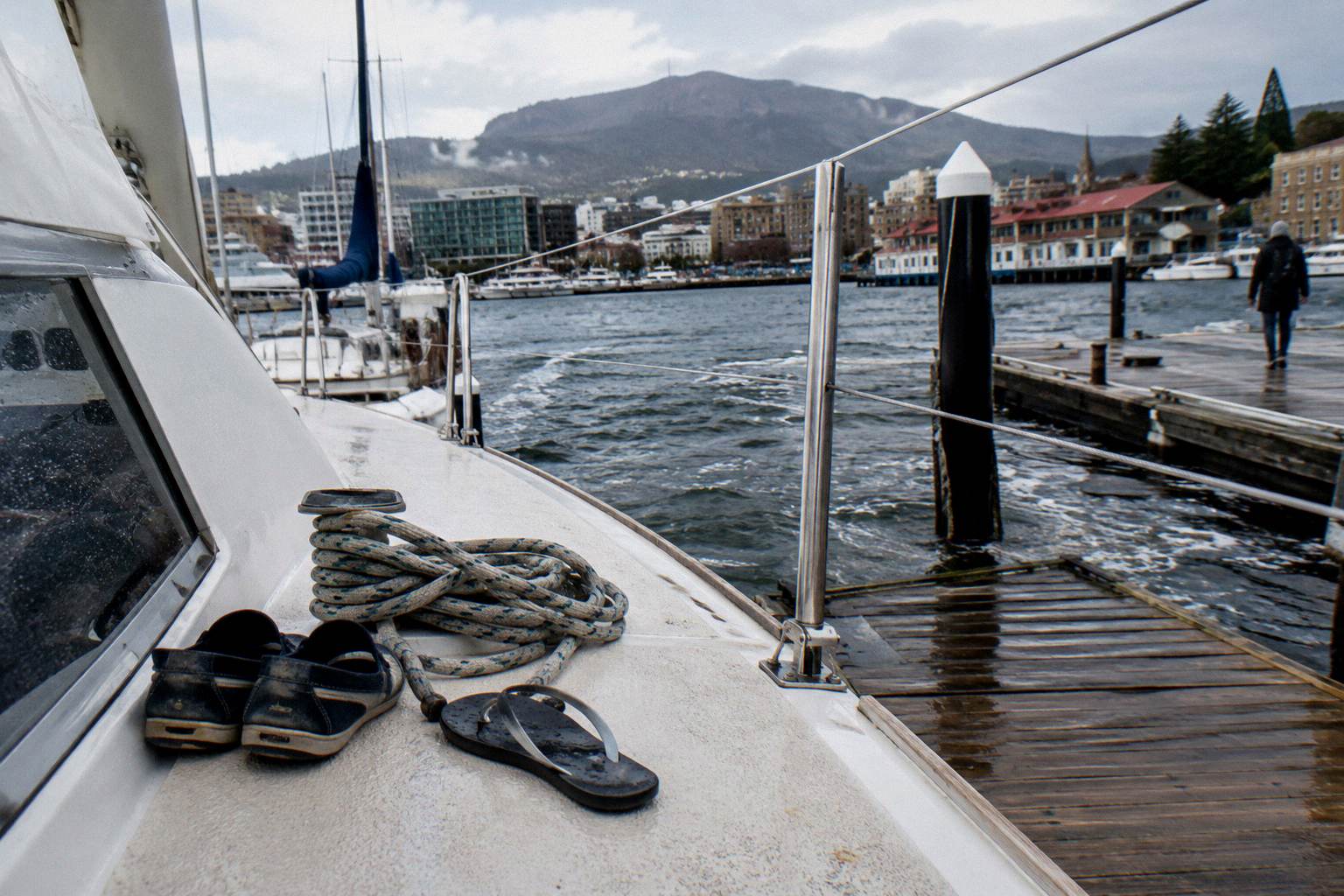
The footwear rule is stated, not advisory: bare feet, high heels and thongs are not allowed on Helsal IV, and flat-soled grippy shoes are the instruction. On a windy day the deck is where that rule earns its place. Layer for the mean maximum of whatever month you are in, minus a few degrees for wind chill on the water, and add a waterproof layer you own rather than one you hope to borrow.
Timing tactics matter more than gear. Book the sail early in your Hobart stay, not on your last morning, so a reschedule has room to land. Check your email the evening before, which is when a gale-forecast cancellation can arrive. Arrive at Kings Pier Marina, 2 Franklin Wharf, about 10 minutes early, and note the operator's parking guidance: dock parking is 2 hr or permit only, with all-day options at Dunne Place, Evans Street, Market Place and Argyle Street car parks.
If the sail survives a breezy forecast and goes ahead, the day is simply the day: a 62-foot yacht with a diesel auxiliary, a professional skipper and crew, snacks and hot drinks, and sailing instruction if you want it. Alcohol is not included, though Tasmanian wine and beer are sold on board at regular bar prices. Nothing about stronger wind is promised as excitement either; the operator makes no claims about speed, heel or sails set, and neither does this page.
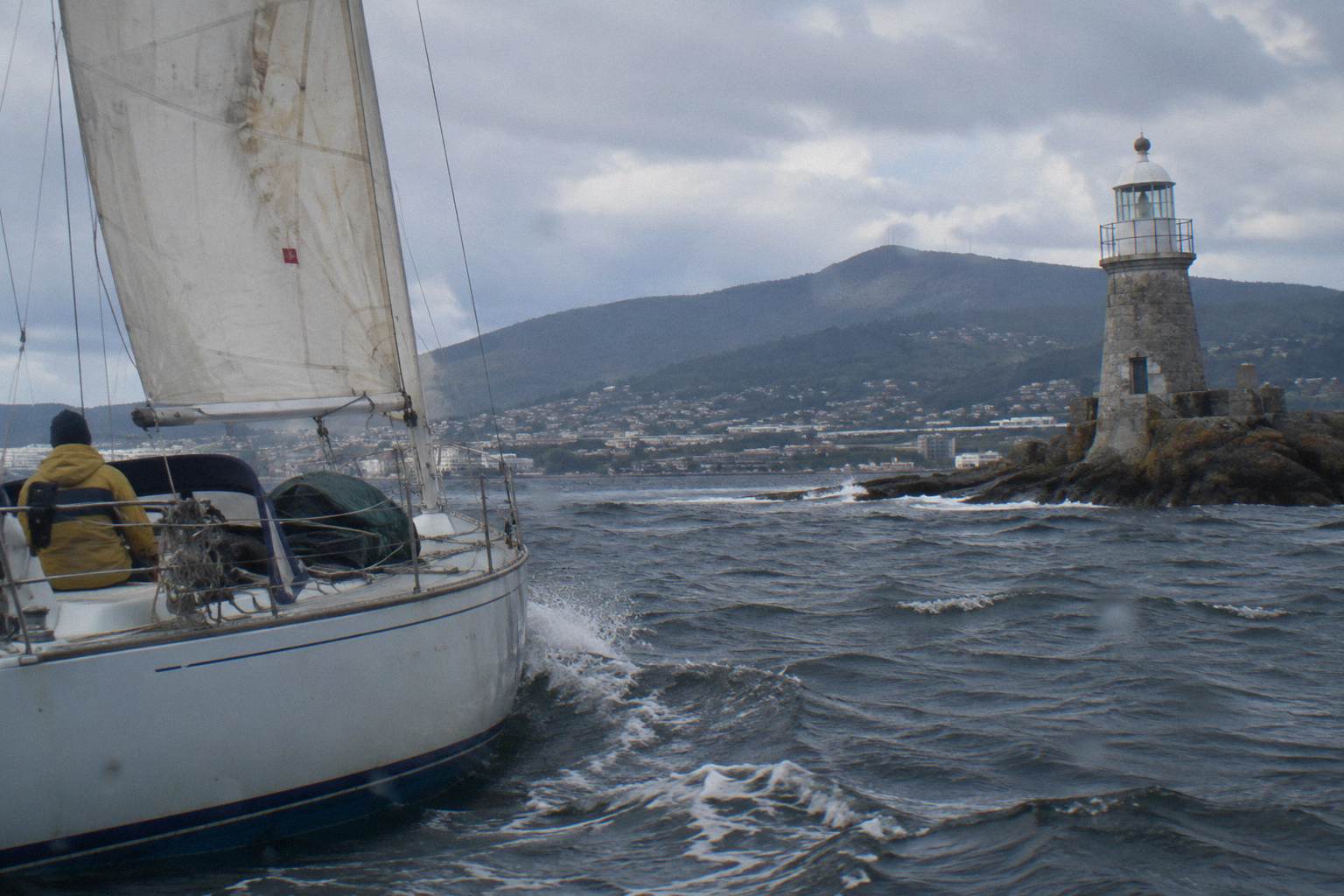
For the fuller packing question, the sister page on what to wear sailing in Hobart owns the detail; this page only covers the wind-driven subset. And if you are weighing whether a sailing day or a wilderness cruise day suits you better, the sail versus wilderness cruise comparison lays out the differences.
Common Mistakes When Planning Around Wind
The recurring mistakes are cancelling too early, mixing up two different cancellation policies, and treating a forecast app as the skipper. Guests cancel inside the 24-hour window because an app looks windy, losing the free-cancellation outcome waiting would have kept, assume the operator's direct-booking terms cover a booking-page reservation or the reverse, and talk themselves out of a good sailing day because a number on a screen ignores how protected the harbour is.
Each mistake has a clean fix. Wait for the skipper rather than pre-cancelling on a forecast: a weather cancellation refunds in full, a self-cancellation inside 24 hours does not. Confirm which cancellation terms apply to your booking at the moment you book, and screenshot them. Treat forecasts as inputs to packing and timing, not verdicts. And if the question is whether young children or non-sailors will cope, ask the operator directly: the sail is stated as suitable for all ages and experience levels, infants under 4 travel free on laps, and children 4 to 17 pay a child rate.
A fourth mistake is forgetting the 4-guest minimum. If fewer than four guests book, the sail does not run as an open charter, and the four stated outcomes apply: reschedule, voucher, paying the difference, or a full refund. That is not a weather cancellation, but the money outcome is similarly protected, and it is one more reason to book ahead rather than turning up on spec.
A last pattern worth avoiding: booking the sail as the very last activity of a Hobart trip. A reschedule needs a spare slot to land in. Book day one or two, keep a fallback morning free, and the worst realistic wind outcome becomes a reshuffled itinerary rather than a lost experience. If the whole day is blown out and a cruise is the fallback, the Tasman Island Cruises Day Tour From Hobart runs about 10.5 hours; hotel pickup is not included, with check in at Franklin Wharf (Dock Head Building); its price and rating are not stated, so ask the operator.
With the worst-case handled, the three-product picture for a Hobart water day looks like this.
Common Questions About Wind And Sailing In Hobart
What Happens If It Is Too Windy To Sail In Hobart?
The skipper cancels if weather makes the sail unsafe, and the booking is then rescheduled or refunded in full. An operator FAQ case records a gale forecast cancelling a sail the day before. You can also cancel yourself, free, up to 24 hours before for a full refund.
Is There A Wind-Speed Limit That Cancels The Sail?
No threshold is stated by the operator, and none exists in any source for this page. The skipper judges each day on the forecast, the harbour conditions and the boat. Ask the operator directly if you want their read on a specific forecast.
How Much Notice Does A Weather Cancellation Give?
It varies with the forecast. The recorded example is a gale forecast cancelling the sail the day before, so keep your phone and email reachable the evening before and the morning of your booking.
Do I Get My Money Back If The Skipper Cancels?
Yes. A weather cancellation on the booking page ends in a reschedule or a full refund. No fee is stated for weather cancellations.
What If Not Enough People Book?
A minimum of 4 guests applies to the sail. If it is not met, the operator's stated options are a reschedule, a voucher, paying the difference, or a full refund.
Should I Cancel Myself If The Forecast Looks Windy?
Usually not. If you cancel inside 24 hours you are outside the free-cancellation window, but a skipper's weather cancellation refunds in full. Let the skipper make the call, and contact the operator if you are unsure.