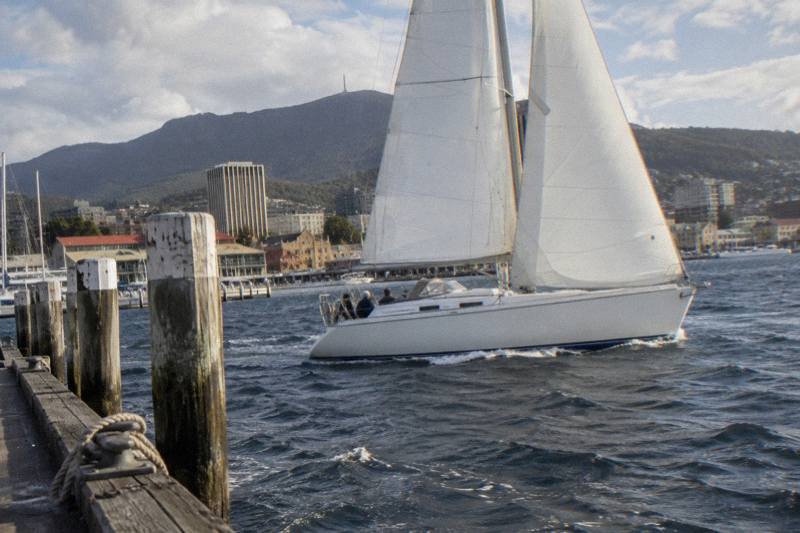
Best Time To Sail In Hobart: Seasons, Wind And Water
Timing a Hobart sail means working around an operator season that runs September to May, Tasmanian weather that changes fast, and a choice between morning and afternoon departures.
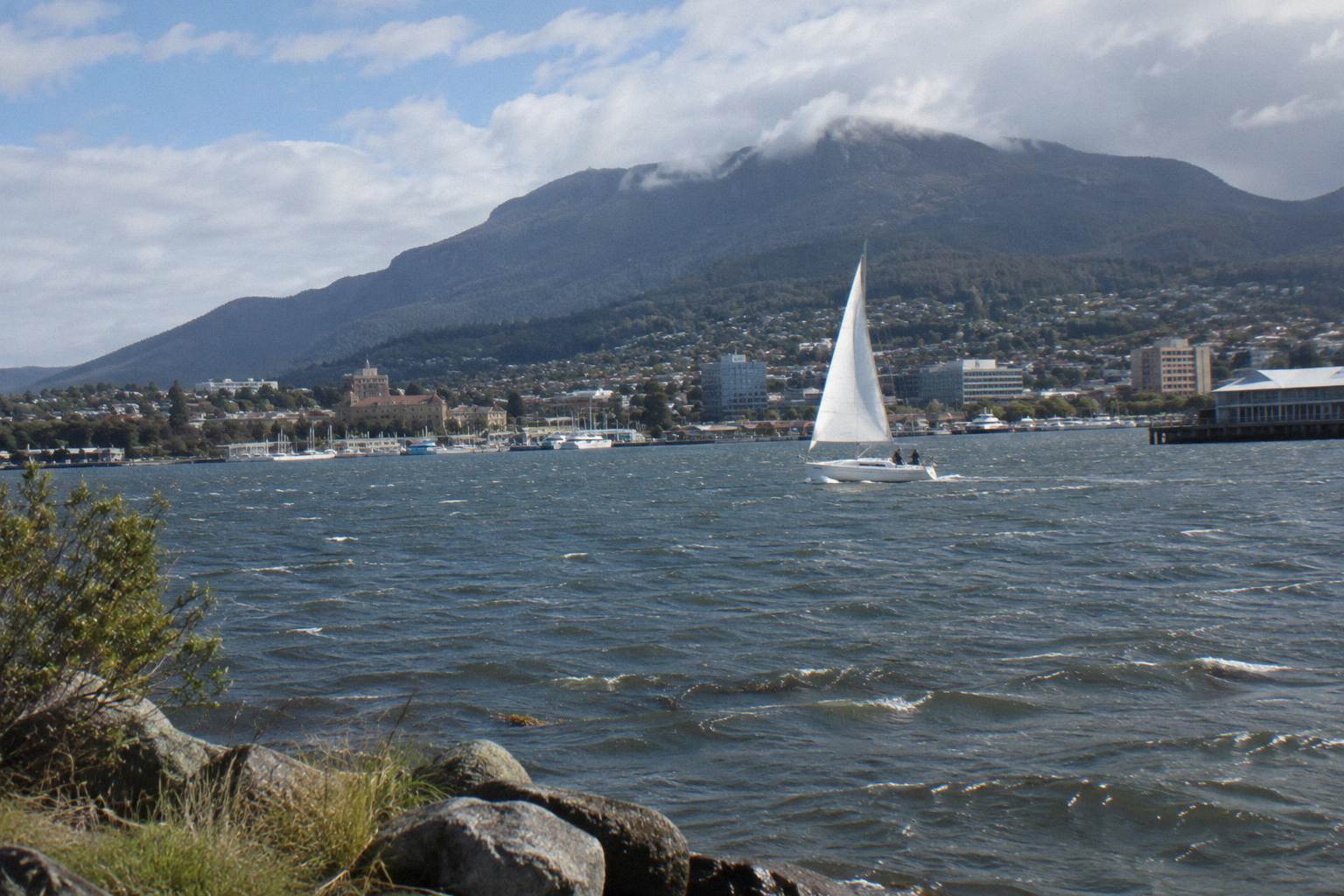
Short answer
The Hobart Yachts sailing season runs October to March with 9am and 2pm departures, and September, April and May with 10am sailings. Long-term averages put mean maximums at 21.8 °C in January and 11.9 °C in July. Tourism Tasmania highlights December to March for long days, and 3pm winds average stronger than mornings.
In short: The operator season for the Hobart sail runs October to March with 9am to 12pm and 2pm to 5pm departures, plus 10am to 1pm sailings in September, April and May. Summer brings the warmest mean maximums, about 21.8 °C in January and February, and the longest days. Afternoon winds average stronger than morning winds year round. Afternoon departures run April to September per the booking page; check it for current availability.
Read the wider picture in the Derwent River sailing conditions guide, which covers wind, water temperature and conditions in depth. This page is about picking a date.
| Quick Facts | Detail |
|---|---|
| Operator sailing season | October to March, 9am to 12pm and 2pm to 5pm |
| Shoulder season | September, April and May, 10am to 1pm |
| Warmest months (mean maximum) | January and February, 21.8 °C |
| Coolest month (mean maximum) | July, 11.9 °C |
| Longest day | About 15 h 20 min near 22 December |
| Shortest day | About 9 h near 21 June |
| Derwent season opening | Royal Yacht Club of Tasmania Opening Day, typically September |
| Tourism Tasmania peak highlight | December to March |
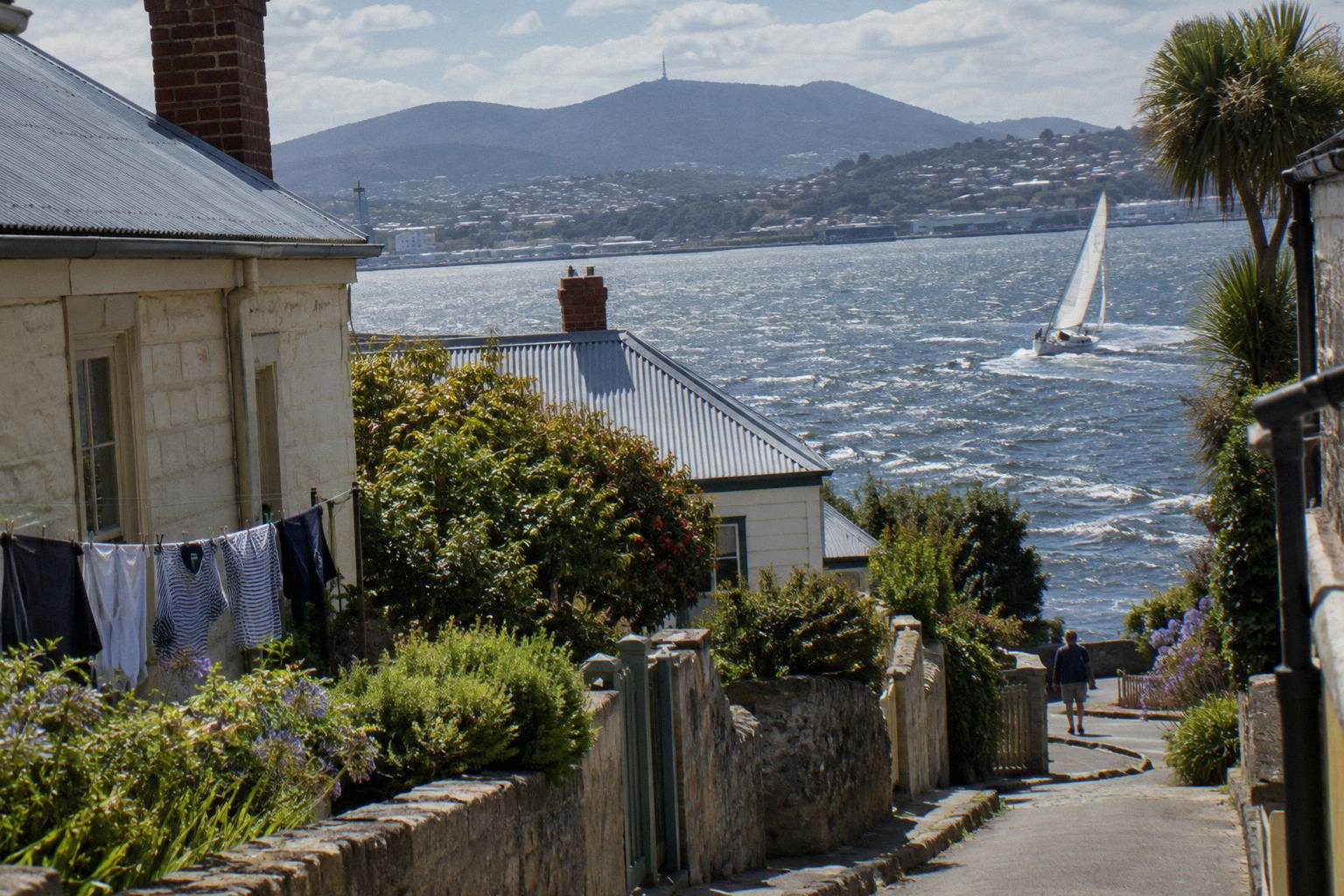
When Can You Actually Sail In Hobart?
Sailing in Hobart runs on a seasonal schedule: morning departures operate from October to March and afternoon departures from April to September per the booking page. Open charter sailings run October to March at 9am to 12pm and 2pm to 5pm, with a shorter 10am to 1pm slot covering September, April and May, and the wider Derwent season typically opens with the Royal Yacht Club of Tasmania's Opening Day in September.
That two-tier season matters more than it first looks. The core October to March window gives you two departure times per day, morning or afternoon, which doubles your options on any visit. The shoulder months of September, April and May shift to a single 10am to 1pm sailing, so a spring or autumn trip has one slot per day and you plan around it rather than choosing between the two.
The club season frames the local rhythm. The Royal Yacht Club of Tasmania marks the start of the Derwent sailing season with an Opening Day, typically in September, and runs programs through summer, per the club's learn to sail pages. Tourism Tasmania highlights December to March for long days and mild conditions. None of that makes a given month calm or windy; it just tells you when the sailing community is most active and when the days are longest.
For the operator's own summary of the sail, including season times and what to bring, the Hobart Yachts tour page is the primary source. The three-hour trip on Helsal IV, a 62-foot Dynamique 62 cruiser-racer, is listed as suitable for all ages and experience levels, and it runs from Kings Pier Marina at 2 Franklin Wharf.
One honest gap to note once: availability on any specific event day, such as festival or race weekends, is not stated, so ask the operator before planning a date around an event.
Month By Month: Picking A Date That Suits You
There is no single best month the sources support; simply match the stated facts to your priorities. January and February tie for the warmest mean maximum, 21.8 °C, with the lowest mean rainfall of the year in February, 38.6 mm. December to March brings the longest days and is Tourism Tasmania's highlighted window. September, April and May run the single 10am sailing, and June to August still falls within the April to September afternoon departure window on the booking page.
The table below is the decision grid: mean maximum and minimum temperature and mean rainfall from the Bureau of Meteorology long-term averages for Hobart (Ellerslie Road), plus what the operator states about sailing times. Use it to narrow down, then check the booking page for the dates you actually want.
| Month | Mean max (C) | Mean min (C) | Mean rainfall (mm) | Operator sailing times |
|---|---|---|---|---|
| January | 21.8 | 12.1 | 46.3 | 9am to 12pm and 2pm to 5pm |
| February | 21.8 | 12.1 | 38.6 | 9am to 12pm and 2pm to 5pm |
| March | 20.3 | 11.0 | 44.1 | 9am to 12pm and 2pm to 5pm |
| April | 17.5 | 9.0 | 49.1 | 10am to 1pm |
| May | 14.6 | 7.0 | 47.6 | 10am to 1pm |
| June | 12.1 | 5.2 | 53.6 | Afternoon departures (booking page) |
| July | 11.9 | 4.7 | 51.9 | Afternoon departures (booking page) |
| August | 13.2 | 5.3 | 53.8 | Afternoon departures (booking page) |
| September | 15.2 | 6.5 | 53.8 | 10am to 1pm |
| October | 17.1 | 7.9 | 52.8 | 9am to 12pm and 2pm to 5pm |
| November | 18.8 | 9.4 | 61.8 | 9am to 12pm and 2pm to 5pm |
| December | 20.4 | 10.9 | 54.0 | 9am to 12pm and 2pm to 5pm |
Source: the Bureau of Meteorology table for Hobart long-term averages; season times from Hobart Yachts.
Read the numbers with a planner's eye, not a promise's. February's 38.6 mm mean rainfall is the lowest of the twelve months, but a mean is an average across years, not a forecast for your Saturday. November carries the highest mean rainfall, 61.8 mm, yet also sits inside the two-departure season with warm 18.8 °C mean maximums. Averages describe the climate; the skipper decides the day, and the operator's FAQ says the skipper cancels if the weather is too bad.
If your dates are flexible, the shoulder months deserve a second look rather than an automatic summer default. September, April and May mean maximums of 15.2 °C, 17.5 °C and 14.6 °C are mild for walking to the marina, and the single 10am sailing leaves your afternoon free for other things. The trade is choice: one departure time, and no stated alternative if that slot is full.
Whichever month you lean toward, the booking page is the only place that confirms which dates are actually open. The Hobart Sailing Experience from US$115 per person is the three-hour option that runs through both season tiers, and free cancellation up to 24 hours before means an early booking costs you flexibility only if the forecast turns.
Morning Or Afternoon: Which Departure Should You Choose?
Only the operator's times are stated: October to March runs 9am to 12pm and 2pm to 5pm. No source claims mornings or afternoons are calmer, warmer, better lit or more reliable, so the choice comes down to your own schedule, not sailing quality. What can be said is that long-term 3pm wind averages run higher than 9am averages, about 12 to 19 km/h versus about 11 to 15 km/h, and spring and summer afternoons average the strongest.
Both slots are three hours on the water, both include a professional skipper and crew, snacks and non-alcoholic drinks, sailing instruction if you want it, and commentary. The morning departure returns you to the marina at midday with the whole afternoon ahead; the 2pm sailing lets a morning in Hobart come first. That is the real decision logic, because nothing in the stated facts makes one session better than the other.
The wind averages are worth knowing, with the right caveat. They are long-term means across many days, and a given morning can blow harder than a given afternoon. If a stronger breeze is something you would enjoy on a cruiser-racer, the data pattern leans toward afternoons in the warmer months; if you would rather not, mornings average lighter. The skipper decides what is safe either way, and Helsal IV has a 150 HP diesel auxiliary, so the trip is not hostage to wind in either direction.
For what to bring and wear, flat-soled grippy shoes are required by the operator, and the full clothing logic lives in the what to wear sailing in Hobart guide.
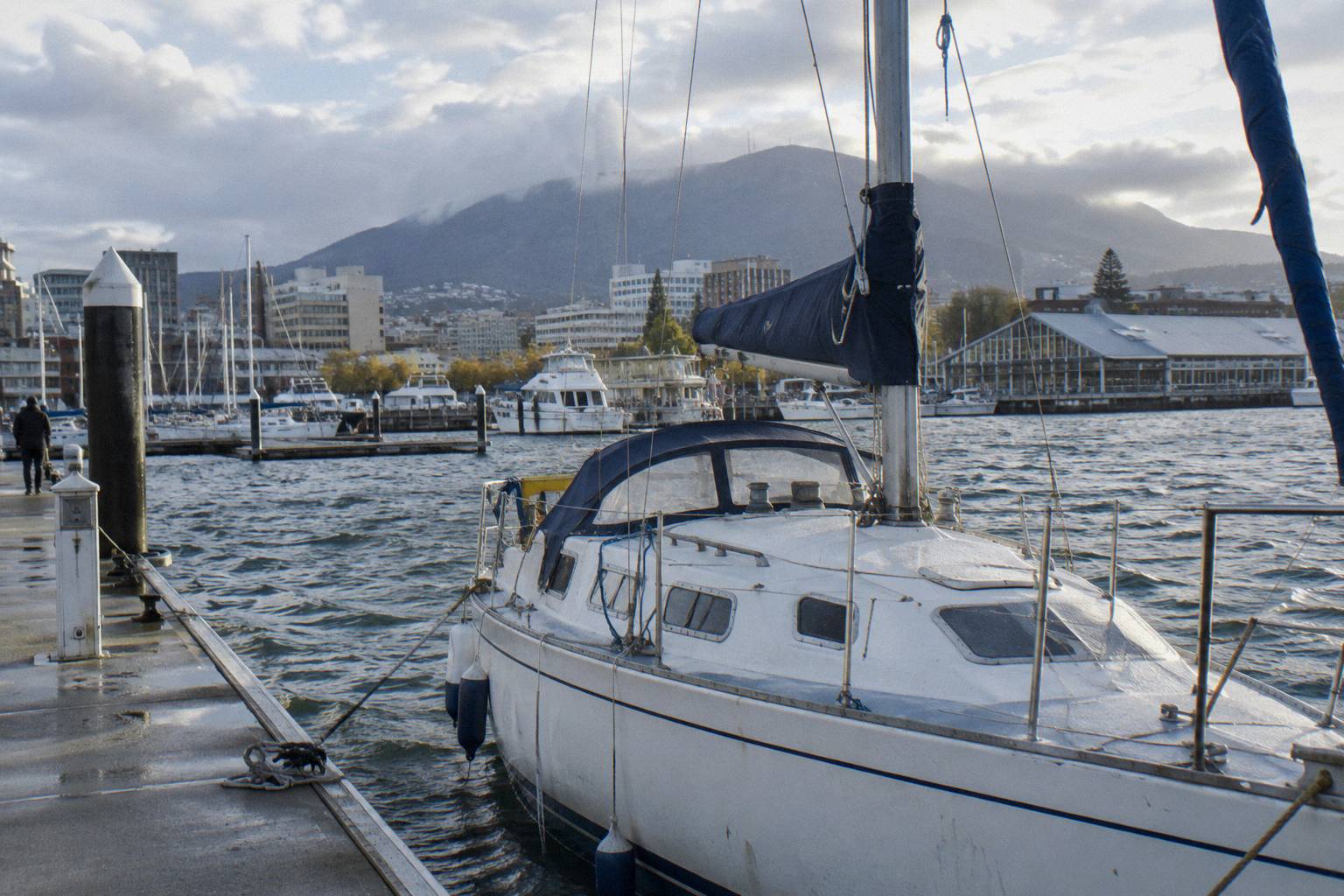
How Warm Is Hobart, Month By Month?
Mean maximums run from 21.8 °C in January and February down to 11.9 °C in July, with mean minimums from 12.1 °C in the height of summer to 4.7 °C in midwinter, per the Bureau of Meteorology's long-term averages. In sailing-season months the mean maximum stays at or above 14.6 °C from September through May. Those are air temperature averages for Hobart, not water temperature and not a forecast for your sailing day.
The seasonal shape is straightforward. Summer, December to February, is the warmest and most even band, 20.4 °C to 21.8 °C mean maximums. Autumn steps down through 17.5 °C and 14.6 °C. Winter sits near its floor, 11.9 °C to 13.2 °C. Spring climbs back through 15.2 °C and 17.1 °C to 18.8 °C in November. Mean minimums tell the packing story: even in February the average overnight low is 12.1 °C, and in shoulder months single digits are normal, so layers matter more than the daytime maximum suggests.
Water temperature is a separate question with a thinner answer. The Derwent Estuary Program reports median surface temperatures of 12.4 to 14.8 °C from 2020 to 2024 monitoring, warmer in summer. No month-by-month seasonal water temperature table exists, so none can be printed here; treat the range as the honest summary.
| Season | Months | Mean max range (C) | Mean min range (C) | Operator sailings |
|---|---|---|---|---|
| Summer | Dec to Feb | 20.4 to 21.8 | 10.9 to 12.1 | Two per day, 9am and 2pm |
| Autumn | Mar to May | 14.6 to 20.3 | 7.0 to 11.0 | Mar two per day; Apr and May 10am |
| Winter | Jun to Aug | 11.9 to 13.2 | 4.7 to 5.3 | Afternoon departures (booking page) |
| Spring | Sep to Nov | 15.2 to 18.8 | 6.5 to 9.4 | Sep 10am; Oct and Nov two per day |
A note on how to read "warm". A 21.8 °C mean maximum is mild, not tropical, and the Derwent breeze is part of any day on the water. The operator keeps limited spare wet weather gear on board, and recommends bringing your own, so plan for Tasmanian variety in any month rather than betting on the average.
How Much Daylight Do You Get In Each Season?
Daylight near 22 December runs about 15 hours 20 minutes, with sunrise about 05:28 and sunset about 20:48, while near 21 June it shrinks to about 9 hours, sunrise about 07:41 and sunset about 16:42. Hobart sits far enough south that the swing between solstices is more than six hours, which shapes both the sailing day and everything you fit around it.
Summer daylight is a genuine planning asset. A 3pm sailing in January ends around 5pm with well over three hours of light after it, so the sail need not be your whole afternoon. A morning slot in the same month starts in full daylight at 9am. The long days are exactly why Tourism Tasmania highlights December to March, and the club season runs its programs through this stretch.
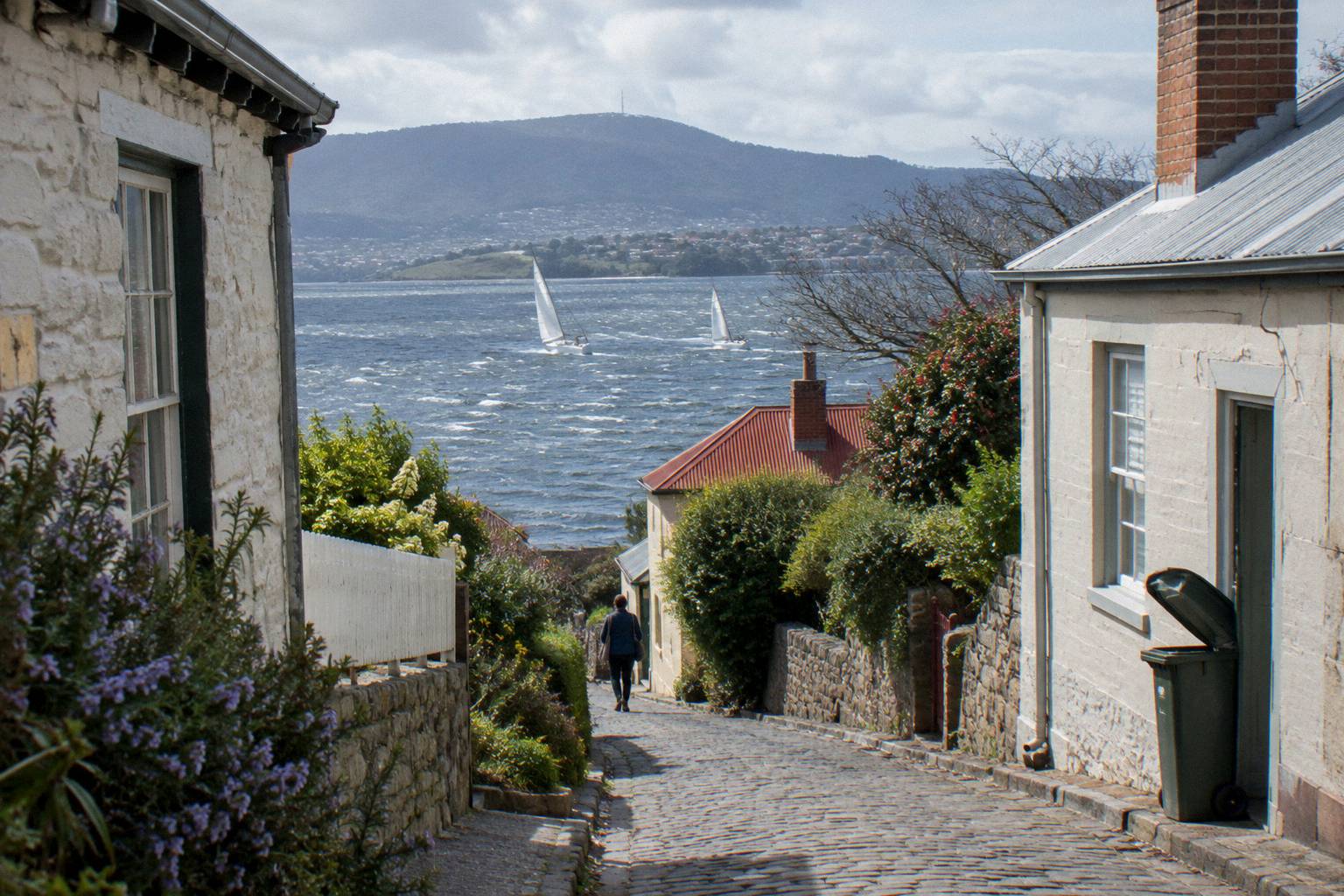
Winter flips the logic. With sunset near 16:42 in late June, an afternoon on the water is short by 5pm, which is why the booking page runs afternoon departures April to September. Even the shoulder 10am to 1pm sailing sits comfortably inside mid-season daylight: by the equinoxes, sunrise and sunset split roughly 12 hours each side of noon.
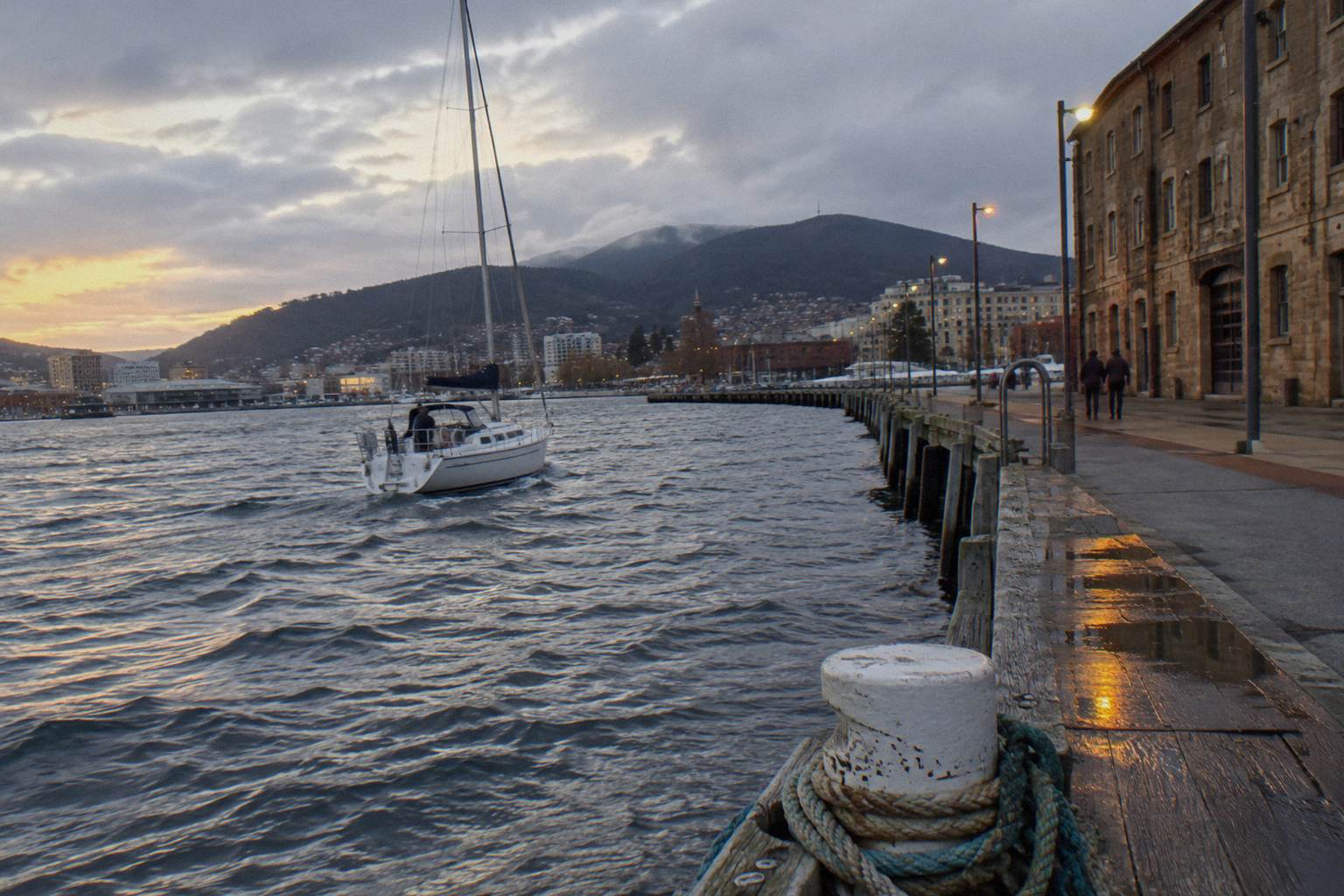
For anyone pairing the sail with a longer day out, summer is when the two-departure schedule and the daylight work together: a morning sail, a waterfront afternoon, and light into the evening. In shoulder months the single 10am sailing pairs naturally with an afternoon on land.
What About Wind And Conditions?
Long-term 9am wind averages run about 11 to 15 km/h and 3pm averages about 12 to 19 km/h, higher on spring and summer afternoons, with a record gust of 139 km/h in the BoM Hobart record. No source states a Derwent sea-breeze pattern or a seasonal wind-direction rule, so none appears here. Weather, wind and sea state decide every individual day, and the skipper cancels if conditions are too bad.
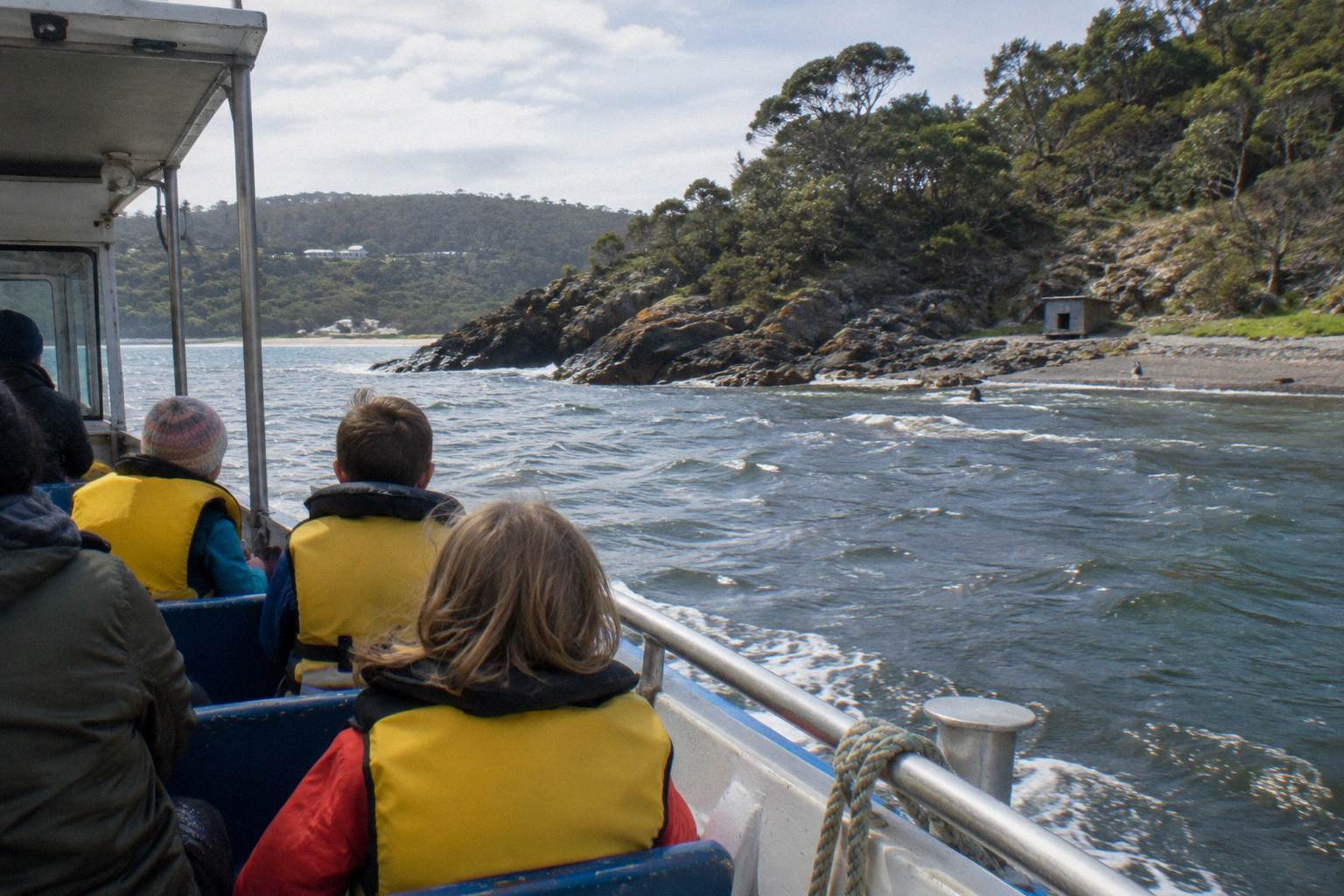
The honest position on wind is that averages are the only printable claim. They are enough to plan around in a general sense, afternoons average stronger than mornings, spring and summer afternoons average the strongest of the year, but they say nothing about your date. The operator's FAQ notes a gale forecast cancels a day the day before, and a cancelled trip comes with a reschedule or full refund. That is the safety net that makes booking ahead reasonable in any month.
Conditions in depth, including water temperature and what the estuary is like to sail, belong to the Derwent River sailing conditions explained guide, which owns that topic. For lifejacket and safety context, MAST Tasmania's lifejacket page covers recreational rules; commercial passenger vessels like Helsal IV operate under their own survey conditions, so those rules are background, not a claim about your sail.
Harbour sailing is described by the operator as well protected, which is a statement about the sailing area, not a promise about any day. If the forecast worries you, the practical facts are: free cancellation up to 24 hours before on the booking-page terms, and a skipper-called weather cancellation followed by reschedule or full refund.
Sailing Versus A Wilderness Cruise: Does Timing Change?
The sail and the wilderness cruises run on different clocks. The Helsal IV sail is a three-hour trip inside the operator's September to May season, while the Bruny Island Wilderness Coast full day runs about 9.5 to 10 hours from a 07:45 departure, and the Tasman Island day tours run about 10.5 hours with a 7:15am check-in. A full cruise day is a whole-day commitment; the sail is a half-day choice.
That difference is a timing decision in itself. If your Hobart stay is short, a three-hour sail leaves room for a second activity the same day, while a Bruny or Tasman Island day fills it. The Bruny full day, from US$195 per person and rated 4.8 across 578 reviews, includes a 3-hour cruise within its roughly 9.5 to 10 hours. The Tasman Island day tour runs about 10.5 hours from a Franklin Wharf check-in at 7:15am.
Both operators offer free cancellation up to 24 hours before, so the same flexible-booking logic applies across the board: book early in your planning, watch the forecast, and decide inside the cancellation window. The deeper comparison of what each experience is like lives in the sailing versus wilderness cruise comparison.
The Bruny Island Wilderness Coast full day suits a date pattern where you want the water but also want a full day out of the city; the operator, Pennicott Wilderness Journeys, departs from the Dock Head Building on Franklin Wharf. Children of all ages are welcome on the cruises per the operator's FAQ, though the Bruny Island Traveller touring product is not recommended for young children.
Should You Time A Sail Around Hobart's Events?
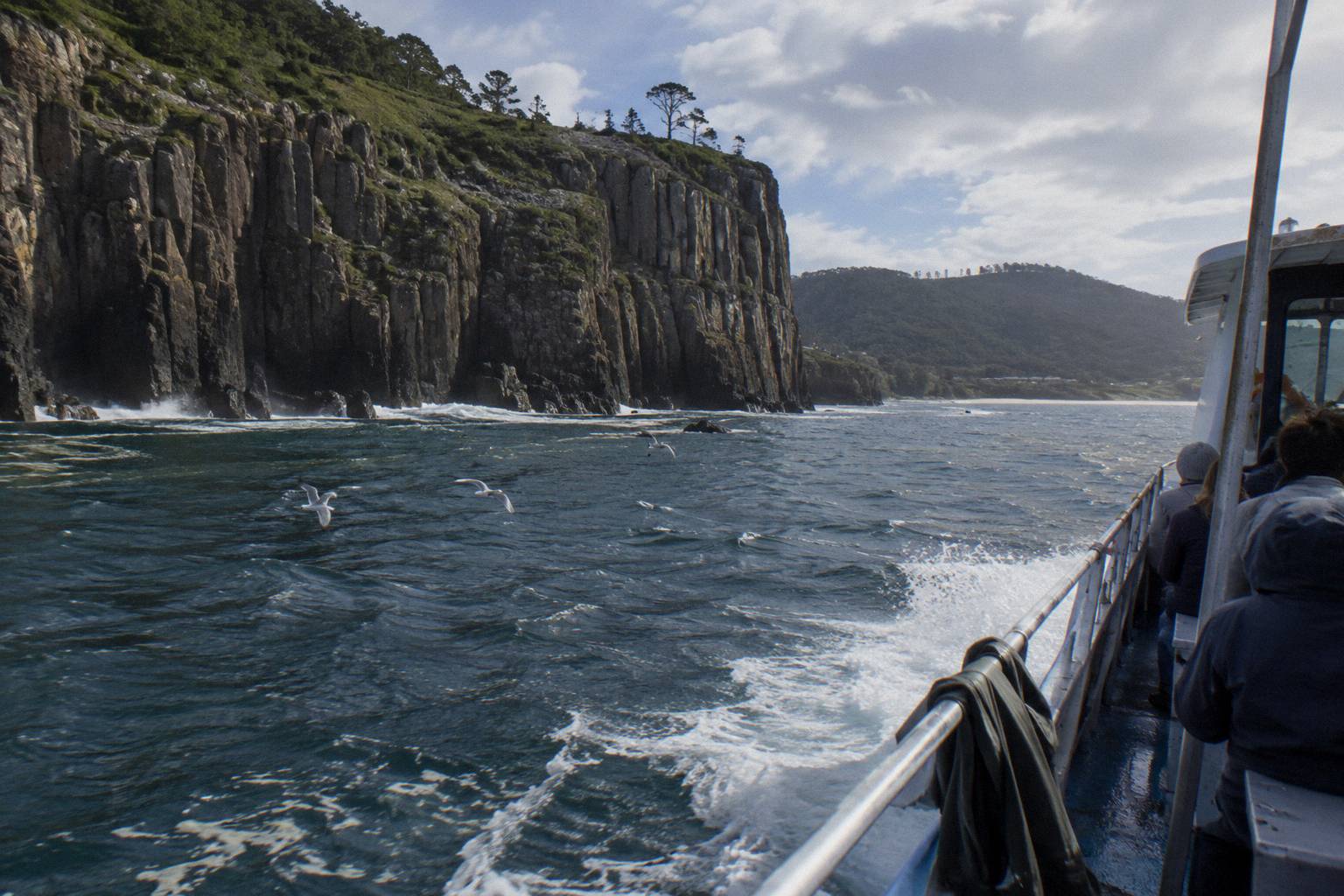
Hobart's waterfront calendar has three anchors worth knowing: the Sydney to Hobart fleet finishes at the Derwent River waterfront near Constitution Dock from late December, the Australian Wooden Boat Festival runs 5 to 8 February 2027, and the Royal Hobart Regatta, its 189th edition, runs 6 to 8 February 2027. The festival and regatta share one early-February weekend. Sailing availability on any event day is not stated, so check before you build a trip around it.
Late December into early January is the race arrival window. The 2026 Sydney to Hobart starts Saturday 26 December 2026 at 1:00 pm AEDT on Sydney Harbour, a 628 nautical mile race whose finish line is the Derwent River waterfront, Constitution Dock area. Finish times are unpredictable, which is the honest limit of planning around them: the waterfront is the place to be when boats arrive, but no schedule promises an arrival hour. The race's spectator page tracks how to follow the line honours finish.
February 2027 stacks two events into one weekend, a rare density for a waterfront city of Hobart's size. The festival dates are on the Australian Wooden Boat Festival site and the regatta's on its own official regatta page. Both draw people to the water; neither comes with a stated sailing schedule for Helsal IV on those days.
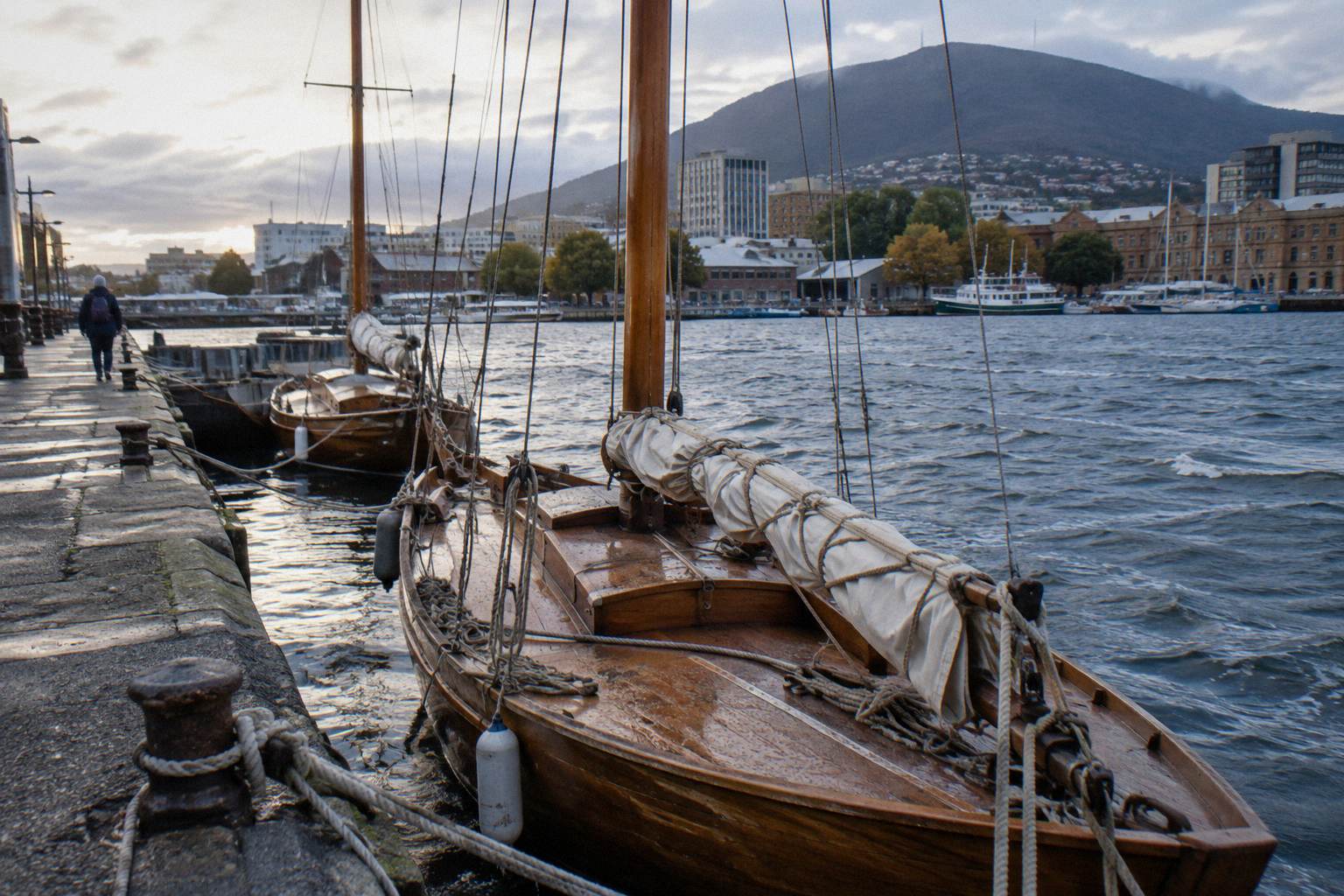
The practical advice is to separate the two wishes. If you want to watch the fleet or the festival, book your stay early for those weekends. If you want to sail, book the sail on whatever date the operator confirms open, and treat the event spectacle as the free bonus around it. Trying to guarantee both on the same day is planning the sources do not support.
Common Mistakes When Picking A Sailing Date
The most common mistakes are assuming winter sailings vanish when the booking page lists afternoon departures April to September, booking only peak months when a shoulder 10am sailing may suit better, reading climate averages as a day-of forecast, and scheduling a flight or event with no buffer after the sail. Avoid them by knowing the season runs September to May in two tiers, the averages are long-term means, and the skipper, not the calendar, decides each day.
Assuming a morning departure in winter is the first trap. The booking page lists afternoon departures April to September, so check it for the exact winter departure on your date; afternoons are short, with sunset near 16:42 in late June, and a winter itinerary that assumes a sail can fail quietly. Check the booking page for your winter departure before you promise anyone a June trip.
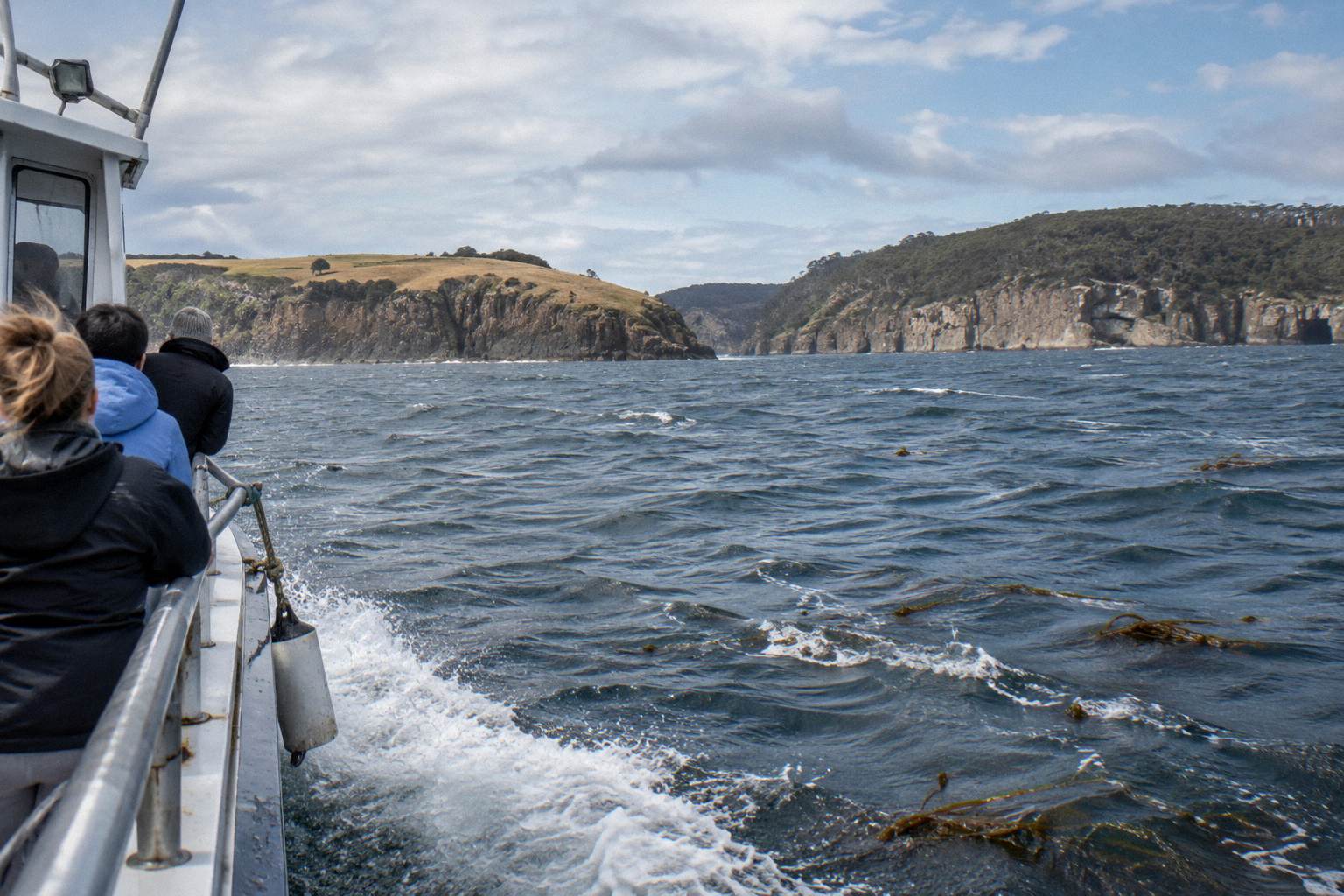
Treating the averages as a forecast is the second. A February mean of 38.6 mm of rain and a 21.8 °C mean maximum describe many years of Februaries, not yours. The right responses are the flexible ones: book with the 24-hour free cancellation in mind, and know a skipper weather cancellation brings a reschedule or full refund.
Zero buffer is the third. A 2pm to 5pm sailing ends at five; a same-evening flight or dinner commitment elsewhere leaves nothing for a late return to the marina or a slow walk back up the wharf. Give the sail its own clean half-day.
The fourth mistake is ignoring the slot shift. September, April and May have one sailing a day at 10am, so a plan built around an afternoon sail in those months collapses on arrival. Check the tier before you plan the rest of the day, and read the guide to sailing in Tasmania if your dates move beyond the Derwent.
The Tasman Island Cruises Day Tour From Hobart is the alternative when your dates fall outside the sail's season: it runs about 10.5 hours with hotel pickup not included, though its price and rating are not stated, so ask the operator for current figures.
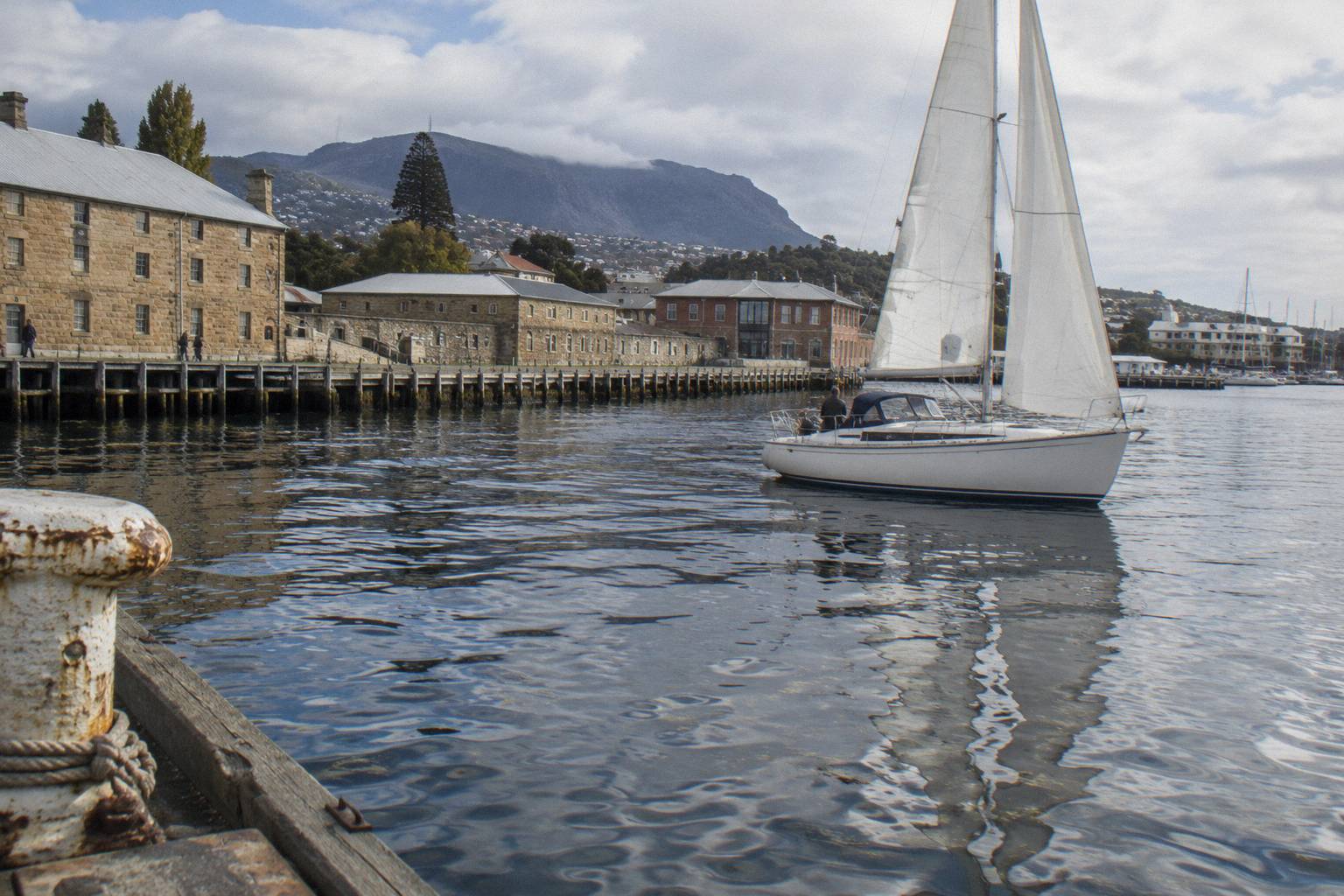
A related option pairs the same Tasman Island cruise with the Port Arthur Historic Site, admission included, on a similar 10.5-hour day. Which of the two suits you is a content decision rather than a timing one; both start from a 7:15am Franklin Wharf check-in, so either way you are committing to a full day.
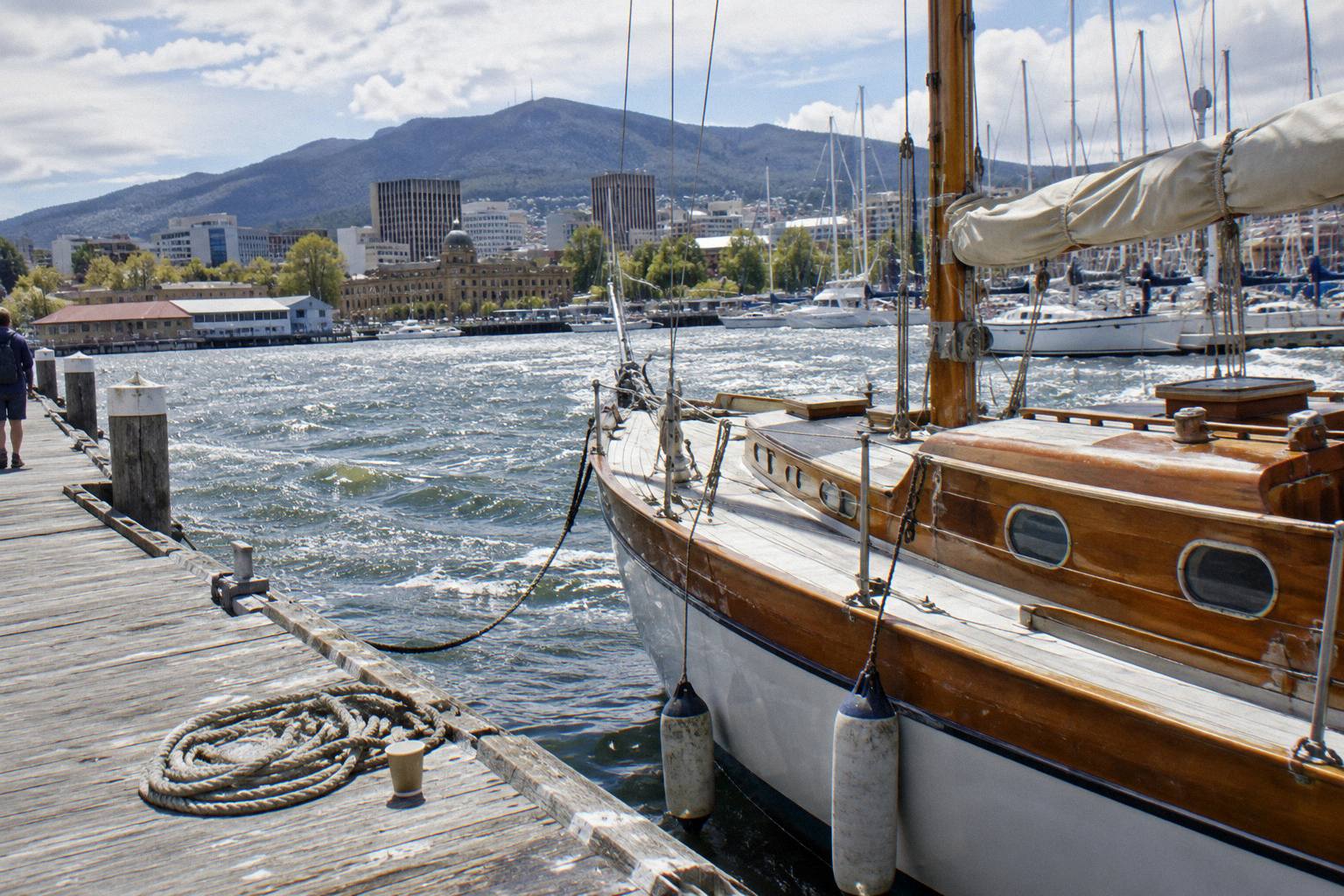
Whatever date you settle on, this site, Hobart Sailing, keeps the timing picture together with the conditions, pricing and event pages, so a change of month is a small revision rather than a new plan.
Common Questions About The Best Time To Sail In Hobart
What Is The Best Month To Sail In Hobart?
The sources support no single best month. January and February share the warmest mean maximum, 21.8 °C, February has the lowest mean rainfall, 38.6 mm, and Tourism Tasmania highlights December to March for long days. Shoulder months run a single 10am sailing, and winter dates are not stated.
Can You Sail In Hobart In Winter?
Yes. The booking page lists afternoon departures from April to September, so winter sails run in the afternoon. Pack warmly: mean maximums of 11.9 °C in July and 13.2 °C in August, with only about 9 hours of daylight near 21 June.
What Time Do The Sailings Leave?
From October to March, the operator lists 9am to 12pm and 2pm to 5pm sailings. In September, April and May, a single 10am to 1pm sailing runs. Each trip is three hours, morning or afternoon, on Helsal IV from Kings Pier Marina.
Is Morning Or Afternoon Better For A Sail?
No source claims either slot is better. Long-term 3pm wind averages, about 12 to 19 km/h, run higher than 9am averages, about 11 to 15 km/h, and spring and summer afternoons average strongest, but those are means, not forecasts. Choose by schedule; the skipper decides the day.
How Warm Is The Water In The Derwent?
The Derwent Estuary Program reports median surface temperatures of 12.4 to 14.8 °C from 2020 to 2024 monitoring, warmer in summer. No monthly seasonal water temperature table exists, so no by-month figure can be given.
What Happens If The Weather Is Too Bad To Sail?
The operator's FAQ says the skipper cancels if the weather is too bad, and a cancelled trip comes with a reschedule or full refund. The booking-page terms also allow free cancellation up to 24 hours before. A gale forecast has cancelled a day the day before, per the operator.