Derwent River Sailing Conditions: Wind, Swell And Weather
Wind decides whether and how a Derwent sail runs. Here is what the Bureau of Meteorology averages, the estuary monitoring and the operators themselves actually say, and where the sourced facts stop.
Short answer
Hobart's long-term 9am winds average about 11 to 15 km/h and 3pm winds about 12 to 19 km/h, with record gusts of 139 km/h on the BoM record. Mean maximum temperatures run from 11.9 °C in July to 21.8 °C in January, and estuary surface water sits at a median 12.4 to 14.8 °C. The operator says harbour sailing is well protected, and the skipper cancels only when weather is too bad.
Part of the season series, start with the best months to sail in Hobart for the wider calendar picture.
| Quick Facts | Detail |
|---|---|
| 9am mean wind, long term | about 11 to 15 km/h |
| 3pm mean wind, long term | about 12 to 19 km/h, higher on spring and summer afternoons |
| Record gust on the BoM Hobart record | 139 km/h |
| Warmest months, mean maximum | January and February at 21.8 °C |
| Coldest month, mean maximum | July at 11.9 °C |
| Estuary surface water | median 12.4 to 14.8 °C, warmer in summer |
| Operator charter season | October to March, plus September, April and May |
| Weather cancellation | skipper cancels if too bad; reschedule or full refund |
| Free cancellation on the booking page | up to 24 hours before |
What Is The Wind Actually Like On The Derwent River?
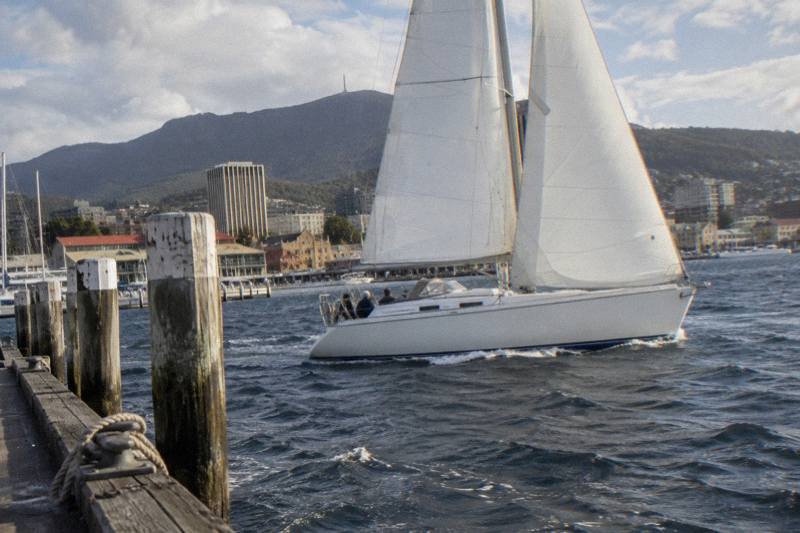
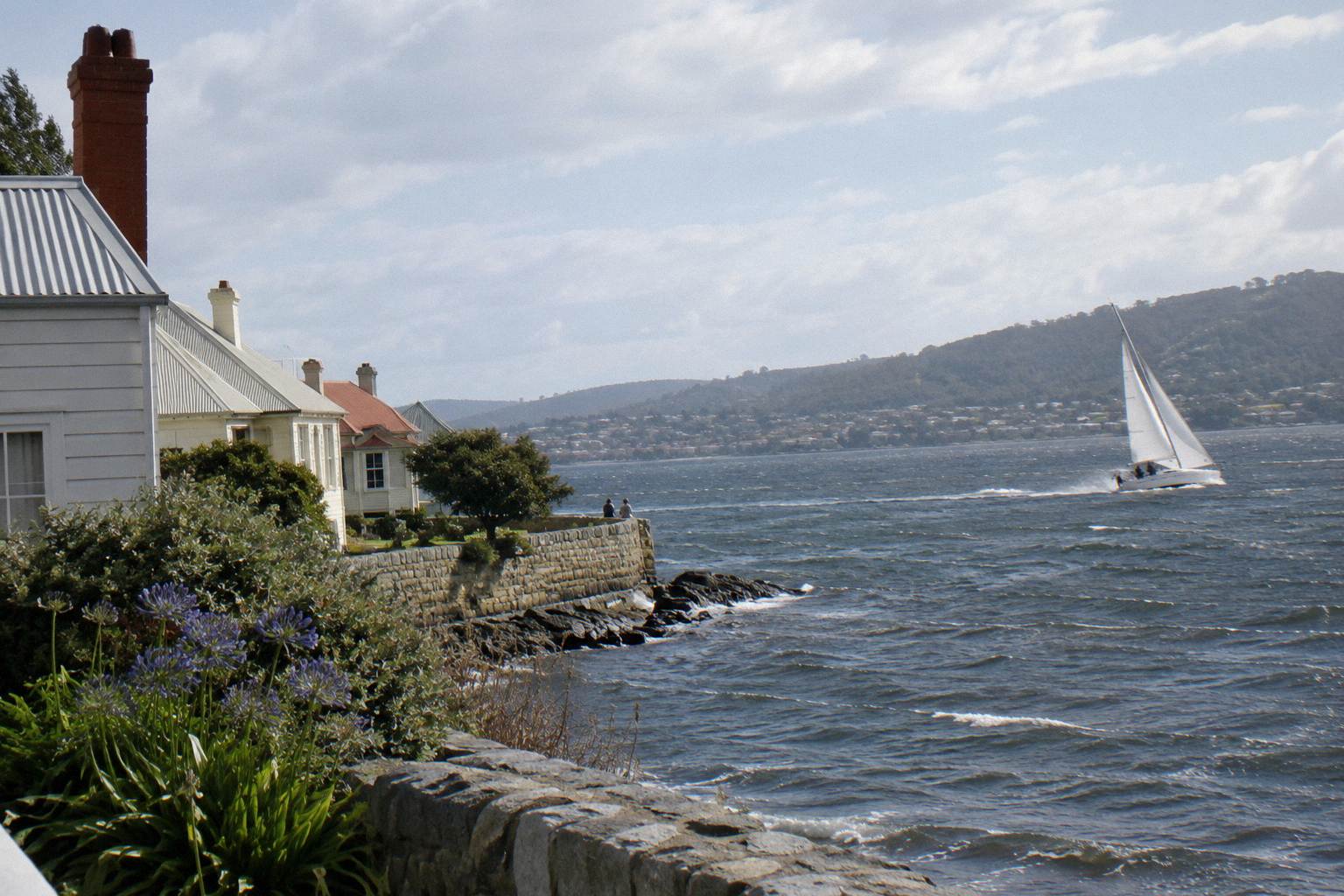
The wind on the Derwent River is famously changeable, shifting in both strength and direction, sometimes within a single hour. Mornings often begin calm and glassy, while afternoons can bring brisk breezes funneling down the waterway, so the conditions you start with rarely match the ones you finish with.
Those averages come from the Bureau of Meteorology's long-term tables for the Hobart (Ellerslie Road) station, the standard climate reference for the city. Read them as a base, not a forecast. The 3pm mean running higher than the 9am mean tells you afternoons carry more energy on average, which matters when you are choosing between a morning and an afternoon departure. The operator's own schedule reflects the same idea: Hobart Yachts lists its open charter sailings at 9am to 12pm and 2pm to 5pm from October to March, and at 10am to 1pm in September, April and May.
The record gust of 139 km/h is the extreme tail of the record, not a figure to plan around. It does explain, though, why every commercial sailing operation on the river has a weather call built into its terms. The operator's FAQ notes that a gale forecast has cancelled a sail the day before it was due to run, which is the system working as intended rather than an exception to it. For a fuller walk through what a cancellation means for your money and your calendar, what happens when it is too windy to sail covers the process in detail.
Where the wind facts stop, honesty starts. No swell figure applies to the Derwent in any sourced material the site holds: the estuary is not an open-ocean swell environment, and the sailing products covered here do not publish sea-state numbers. If a swell matters to you, the wilderness cruises that leave the sheltered waters for the Tasman coast are the products to ask about directly, and the operator can tell you what the day actually looks like.
How Does Hobart's Weather Change Month By Month?
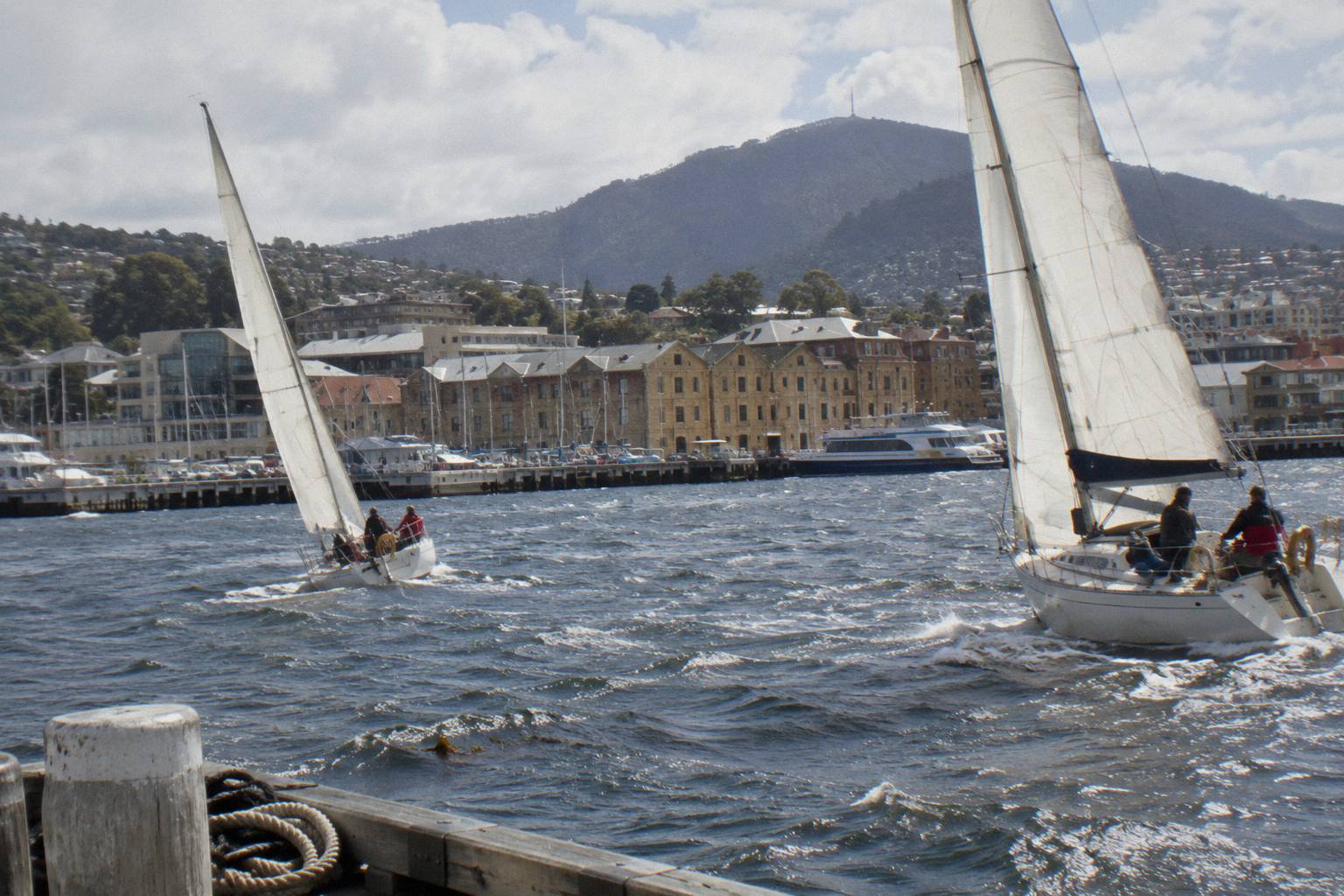
Hobart's weather shifts steadily through the year: summer (December to February) brings the warmest, driest days, autumn cools gradually from March to May, winter (June to August) turns cold and wet with occasional snow on the mountain, and spring from September to November warms up slowly with changeable, showery conditions, so each month offers a noticeably different experience of the city.
The table below is the Bureau of Meteorology's long-term average set for Hobart (Ellerslie Road). Use it to pick your month and to pack, not to predict your Tuesday.
| Month | Mean max C | Mean min C | Mean rain mm |
|---|---|---|---|
| January | 21.8 | 12.1 | 46.3 |
| February | 21.8 | 12.1 | 38.6 |
| March | 20.3 | 11.0 | 44.1 |
| April | 17.5 | 9.0 | 49.1 |
| May | 14.6 | 7.0 | 47.6 |
| June | 12.1 | 5.2 | 53.6 |
| July | 11.9 | 4.7 | 51.9 |
| August | 13.2 | 5.3 | 53.8 |
| September | 15.2 | 6.5 | 53.8 |
| October | 17.1 | 7.9 | 52.8 |
| November | 18.8 | 9.4 | 61.8 |
| December | 20.4 | 10.9 | 54.0 |
Two patterns are worth pulling out. First, summer is warm but not hot by mainland standards, and a 21.8 °C mean maximum on the water feels cooler once the afternoon wind picks up, which on average it does. Second, the rainfall column shows no dry season: the spread between the driest and wettest month is barely 23 mm. A Hobart sailing trip is never rained off by climate alone, only by the actual forecast on the actual day.
The cold side of the year carries its own weight. A July mean minimum of 4.7 °C means an early start on the waterfront is genuinely cold, and the operator's charter schedule does not list winter sailings at all: the stated open season runs October to March at full frequency, with September, April and May on the single 10am departure. Winter dates are simply not stated; check the booking page for winter availability rather than assuming either way.
For clothing decisions the operator's own guidance is specific: flat-soled grippy shoes, with bare feet, high heels and thongs not allowed on deck. The site's guide to what to wear sailing in Hobart takes that further.
Is Harbour Sailing On The Derwent Well Protected?
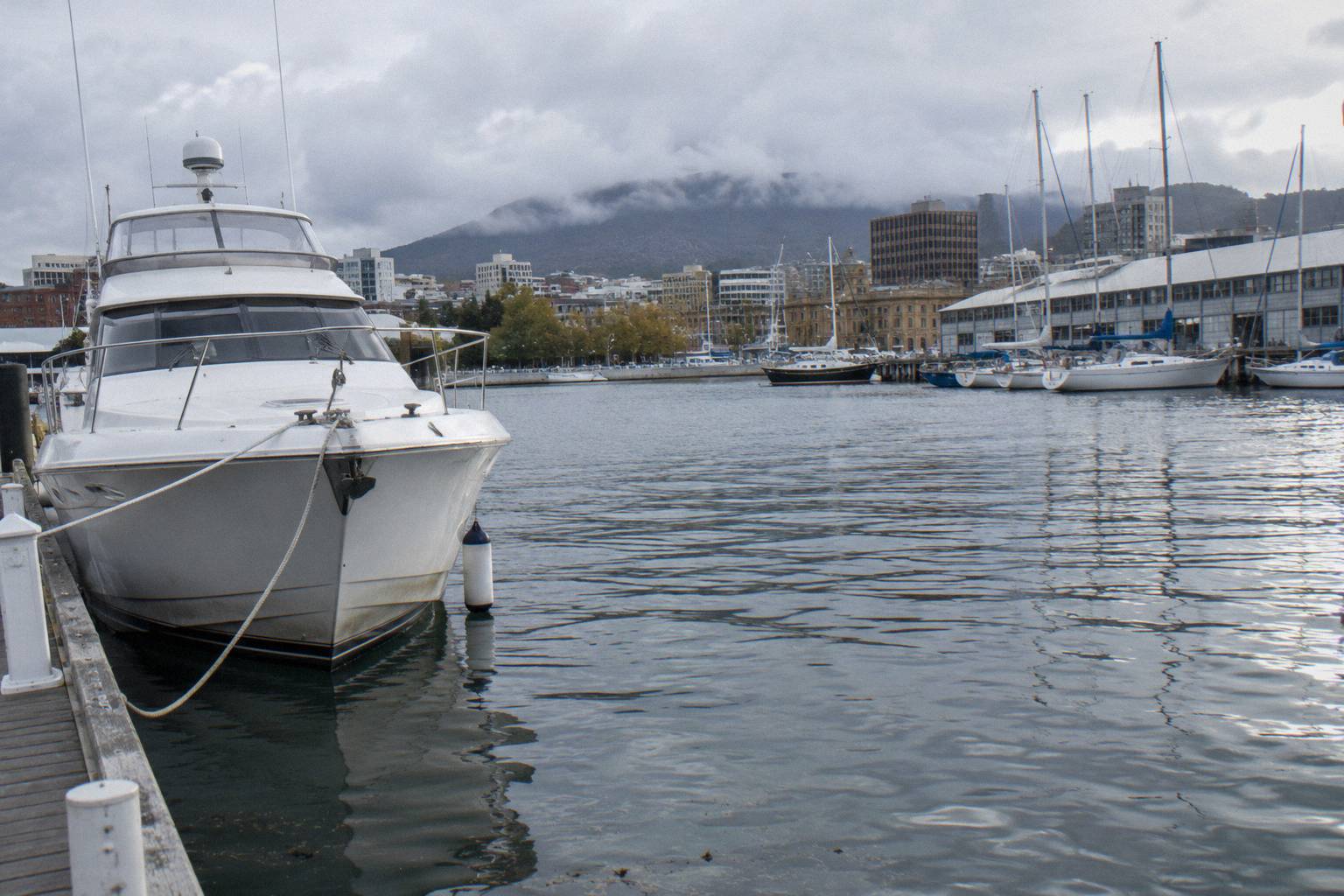
Yes, harbour sailing on the Derwent is generally well protected, with surrounding hills and sheltered waters softening much of the wind and swell, though conditions can change quickly when strong gusts funnel down the river, so most sailors find it a safe and forgiving place to sail while still watching the weather before setting out.
The distinction matters when you are choosing between products. The Helsal IV sail, from US$115 per person, rated 4.9 across 89 reviews, is a harbour sail on a vessel that has raced the Sydney to Hobart, designed by Philippe Briand and built in France. The operator says it suits all ages and experience levels, and the diesel auxiliary means the skipper has an engine to fall back on when the wind does not cooperate. Nothing in any sourced material states how the time divides between sail and engine, and this page will not invent a ratio.
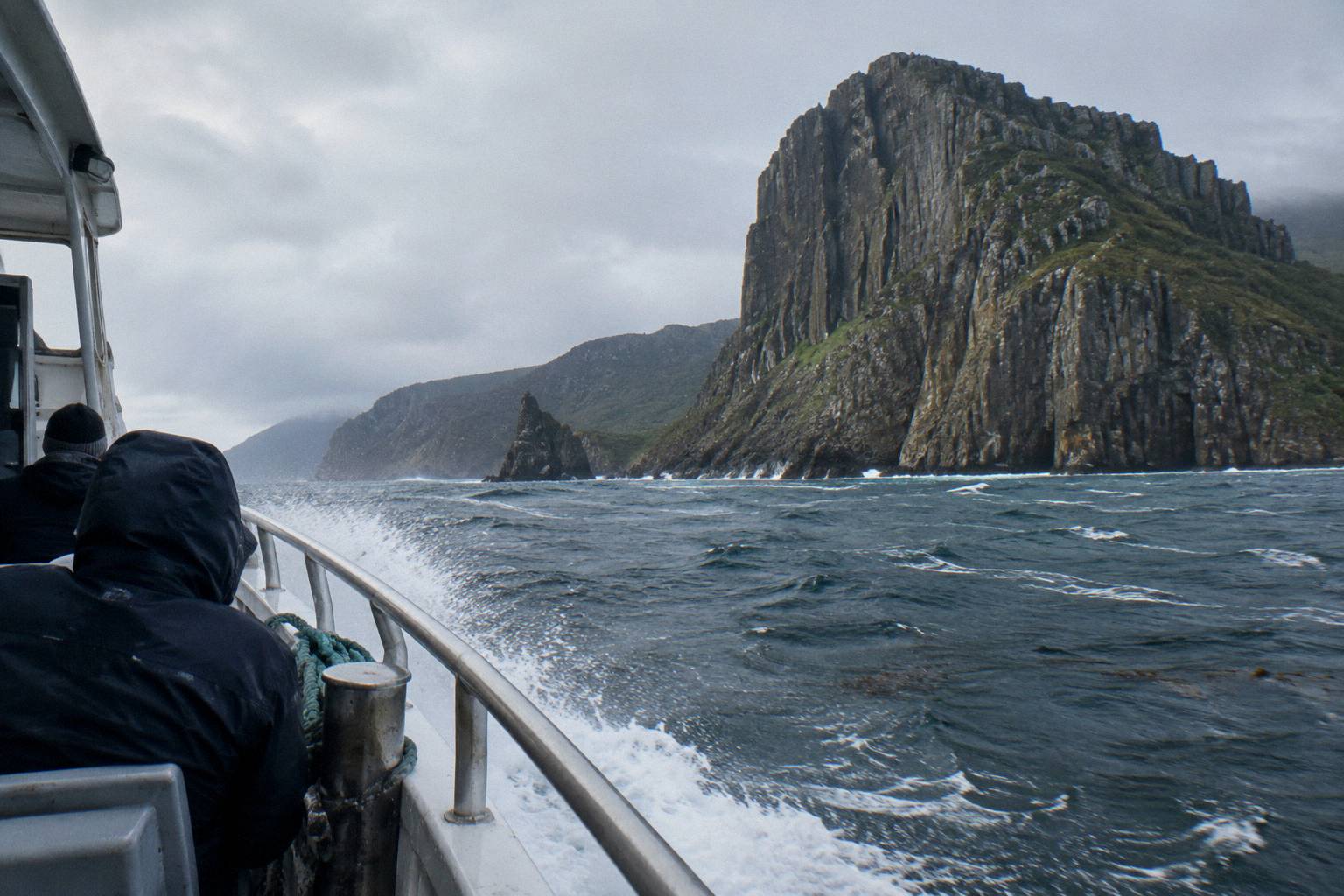
The Pennicott Wilderness Journeys products are a different animal and should never be called sailing. The Bruny Island Wilderness Coast Eco Cruise With Lunch, from US$195 per person and rated 4.8 across 578 reviews, spends its three core hours on exposed coastline in a custom-built cruise boat, where wind and swell are the whole point of the experience rather than something to be sheltered from. The Tasman Island cruises run about 10.5 hours to the sea cliffs of the Tasman Peninsula. If protected water is your priority, the harbour sail is the match; if you want the wild coast, accept that the weather there is a feature.
The practical reading of "well protected" is this: the operator has structured a product it believes runs reliably in harbour conditions, and it backs that with a cancellation regime. Per the booking page, cancellation is free up to 24 hours before for a full refund, and if weather makes the sail unsafe it is rescheduled or refunded in full. The operator's FAQ adds the mechanics: the skipper makes the call, sometimes as early as the day before when a gale is forecast. There is no published wind-speed threshold, and none should be invented; the decision is the skipper's professional judgement under the operator's own safety framework, which sits alongside the wider MAST Tasmania lifejacket rules that govern recreational boating in the state.
When Is The Derwent Sailing Season?
Sailing on the Derwent is very much a warm-season pursuit, with activity concentrated between late spring and early autumn and the river at its liveliest over the summer months. Once the cold sets in, blustery conditions and shorter days push most sailors off the water, so time your visit for the warmer half of the year.
The club calendar and the charter calendar overlap but are not identical. Club racing on the Derwent is a weekend institution once the season opens, which is why a Sunday morning sail often shares the water with dinghies and keelboats. The charter schedule is narrower at the shoulders: September, April and May get a single 10am to 1pm departure, while the October to March core season runs 9am to 12pm and 2pm to 5pm. If you are visiting in the shoulder months, the morning slot is the one that exists.
Daylight shapes the decision more than visitors expect. Near the summer solstice the sun rises about 05:28 and sets about 20:48, giving roughly 15 hours 20 minutes of usable day; near the winter solstice it is about 07:41 to 16:42, roughly 9 hours. A 5pm summer finish still has full light on the water, while a May afternoon departure is a different proposition. Neither is stated to be better; both are simply different, and the packing list follows.
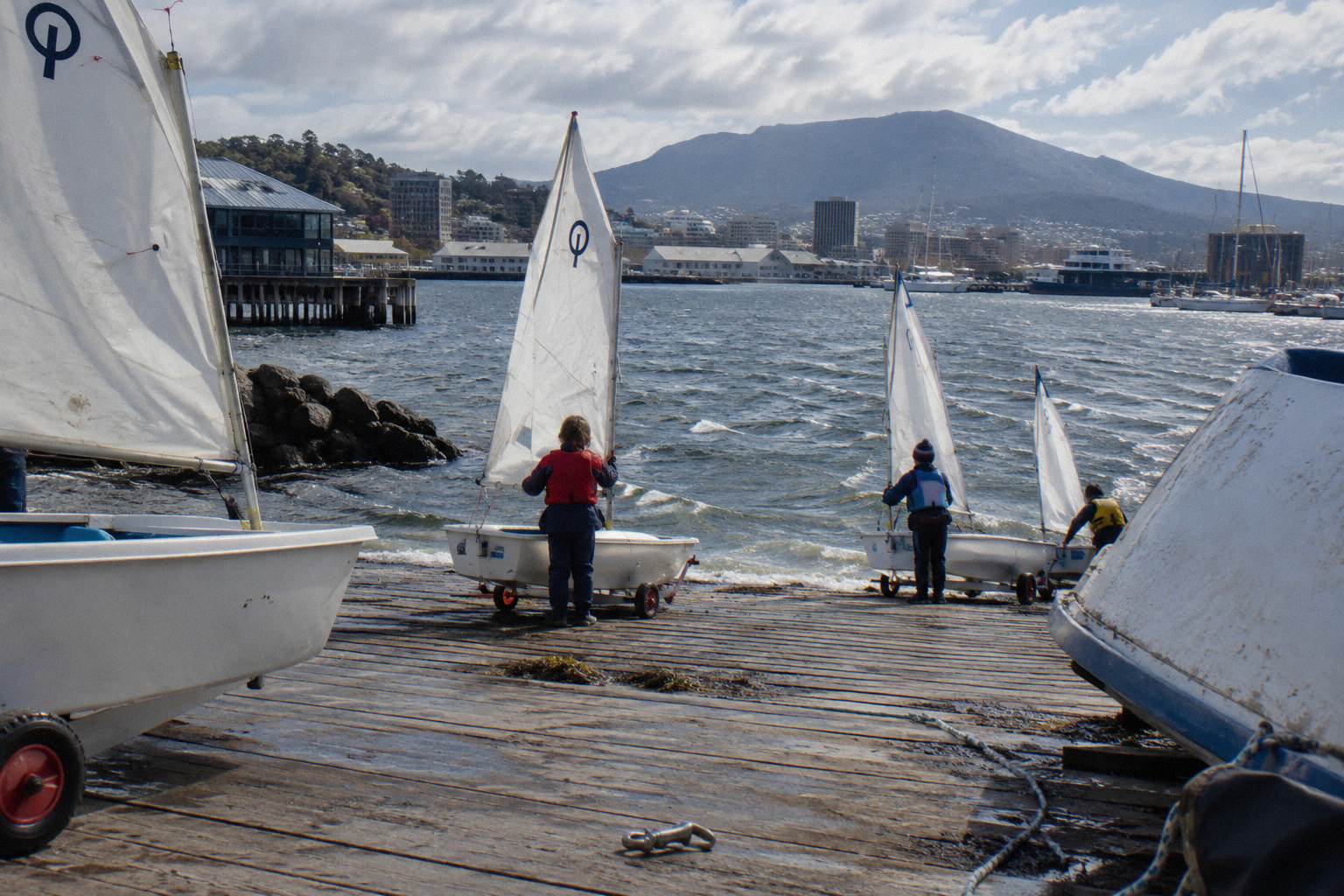
The season picture also frames the two big waterfront events. The Sydney to Hobart fleet finishes at the Derwent River waterfront at Constitution Dock from late December, and February brings both the Australian Wooden Boat Festival (5 to 8 February 2027) and the Royal Hobart Regatta (6 to 8 February 2027, its 189th edition). Whether Helsal IV sails on any event day is not stated; treat those weekends as busy on the water and check the booking page early. Hobart Sailing covers both events in its season guides.
For visitors weighing the harbour sail against a full day on the water, the Snacks Included, 3-Hour Sail link beside the three-hour Helsal IV sail shows live dates for the season ahead, which is the fastest way to see which months actually carry departures.
What Is The Water Like On The Derwent?
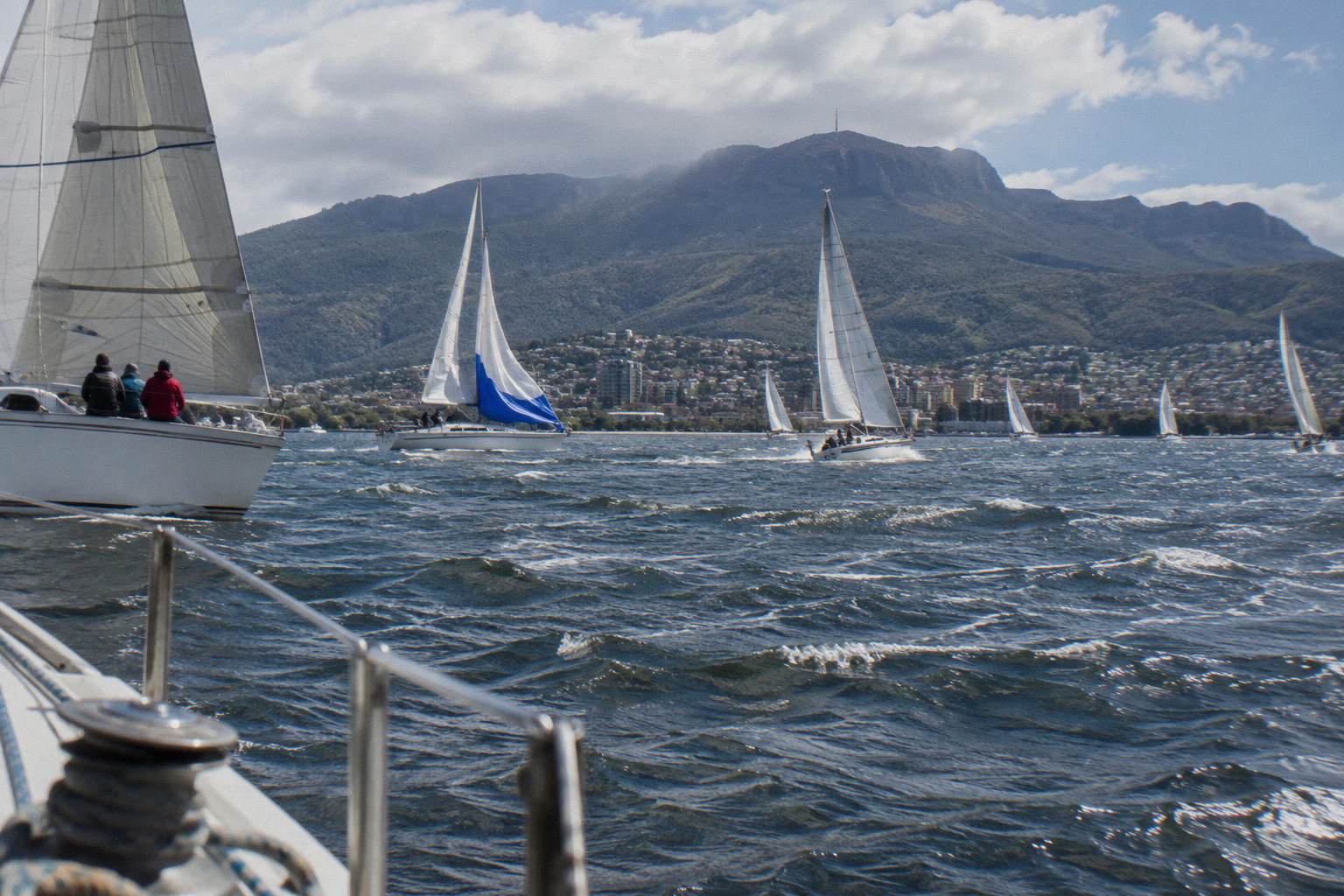
The water on the Derwent varies along its length, moving between calm, slow-moving stretches and faster, livelier sections, so what you encounter depends on where you paddle and on recent rainfall, which can raise levels and quicken the flow, turning gentle water into something more energetic after wet weather.
The temperature range matters most for expectations. If you are sailing from somewhere tropical, the idea of 14 °C water re calibrates what "a nice day on the water" means: layers, a windproof shell, and flat-soled grippy shoes per the operator's FAQ, which also notes bare feet, high heels and thongs are not allowed on deck. The operator carries a few spare wet weather items on board but says to bring your own, and the booking page lists the sail as not including wet weather gear.
The estuary context is also why the Derwent behaves differently from the open coast. It is a drowned river valley with the city on its western shore, and the sailing happens inside that shelter rather than beyond it. That is the structural reason the operator can describe harbour sailing as well protected while the wilderness cruises, which deliberately leave sheltered water for Bruny and Tasman coastlines, advertise exactly the opposite. Water temperature, wind exposure and the shape of the shoreline are three sides of the same decision.
For the full-day alternative, the Bruny Island cruise includes lunch and hotel drop-off, with children of all ages welcome on the cruises per the operator's FAQ, though the Bruny Island Traveller tour is not recommended for young children. The operator's FAQ carries the current detail on what each trip involves.
Sailing Or A Wilderness Cruise: Which Suits The Conditions?
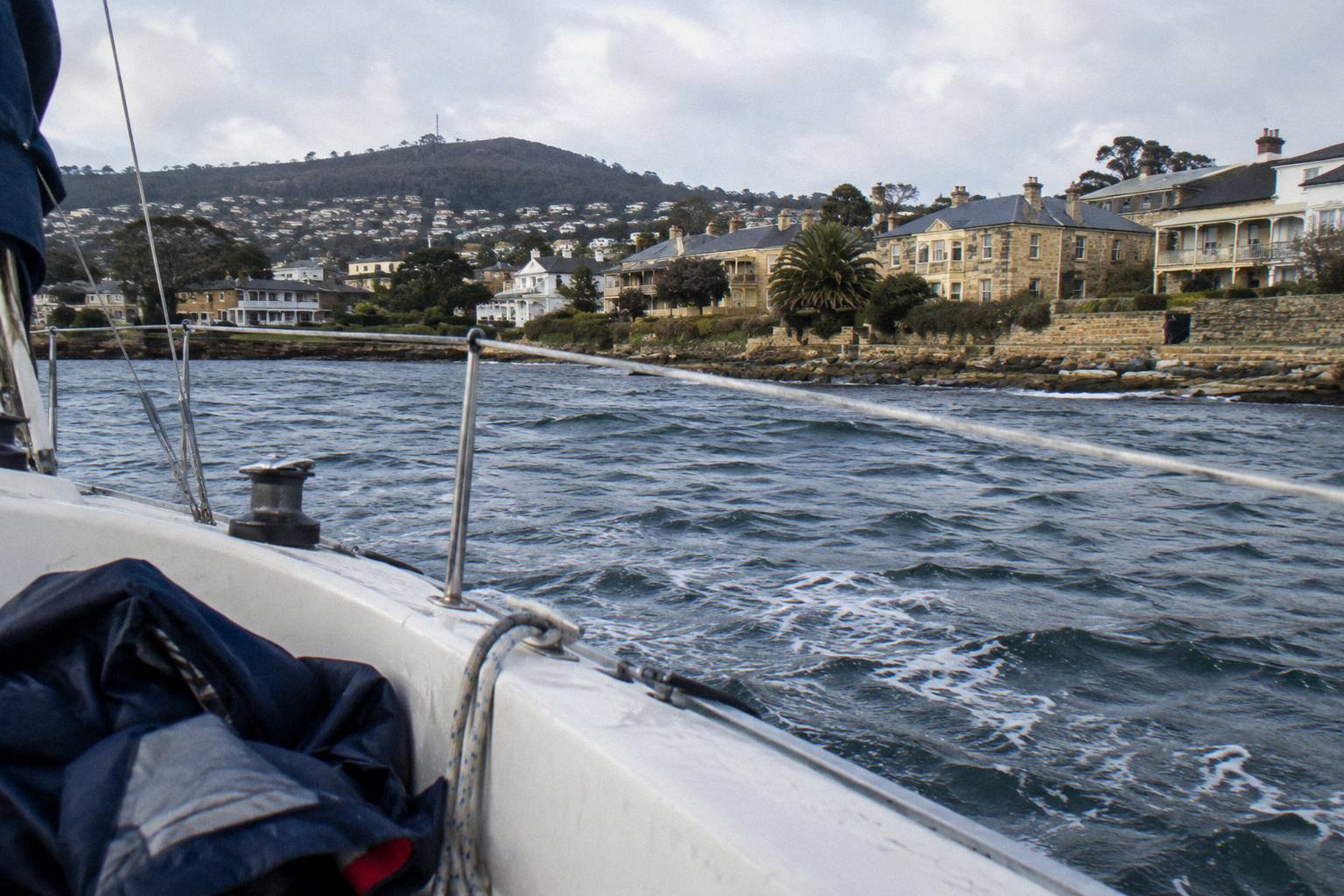
If conditions are calm, warm, and blessed with steady winds, sailing wins, since you can harness the breeze and drift into quiet anchorages under your own canvas. When weather turns cold, wet, or unpredictable, or when you would rather watch wildlife from a warm deck than work the lines, a small-ship wilderness cruise is the better fit.
| Helsal IV Sail | Bruny Island Full Day | Tasman Island Day Tour | |
|---|---|---|---|
| Operator | Hobart Yachts | Pennicott Wilderness Journeys | Pennicott Wilderness Journeys |
| Type | 3-hour harbour sail | about 9.5 to 10 hours, 3-hour coastal cruise | about 10.5 hours |
| From price | US$115 per person | US$195 per person | Not stated |
| Rating | 4.9 from 89 reviews | 4.8 from 578 reviews | Not stated |
| Departs | Kings Pier Marina, meet there | Franklin Wharf, 07:45 | Franklin Wharf, check-in 7:15am |
| Water | sheltered harbour | exposed Bruny coast | exposed Tasman coast |
| Free cancellation | to 24 hours before | to 24 hours before | to 24 hours before |
The cancellation column reads the same across all three because each booking page states the same 24-hour free cancellation, and the weather regime is the same skipper-or-operator call: if conditions make the trip unsafe, it is rescheduled or refunded. The Pennicott FAQ lists its own direct-booking cancellation scale separately, with a 100 percent fee within 24 hours and 50 percent within 48, and notes third-party bookings may differ; the terms on the booking page are the ones that apply when you book through this site's links.
Age policies differ in ways families should check before booking. The Helsal IV sail takes all ages, with a child rate for 4 to 17 and infants under 4 free on laps. The Pennicott cruises welcome children of all ages, while the Bruny Island Traveller tours are not recommended for young children. Neither operator states a minimum age for the coastal cruise boats beyond infants on laps.
For the Tasman Peninsula option, Check availability beside the Tasman Island day tour is the only place the current price appears, since no figure is published for it here.
Common Mistakes When Planning Around Derwent Weather
The biggest mistakes travellers make with Derwent weather are trusting a single forecast, packing for only one season, and locking in rigid plans that leave no room for sudden change. Conditions here can shift quickly, so check the forecast on the morning of your trip, carry layers and waterproofs year-round, and build flexible backup options into every itinerary.
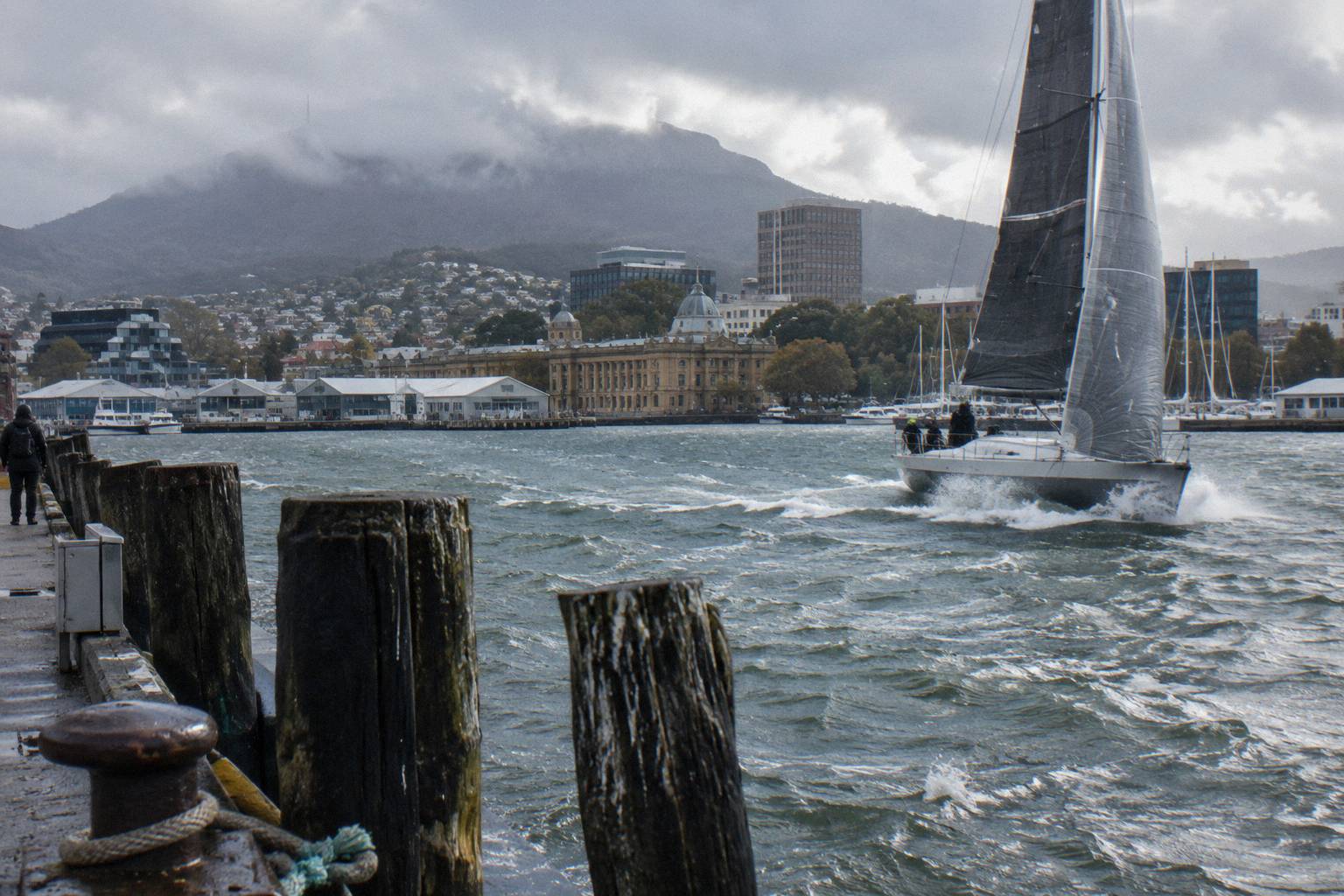
A short list of the traps, each of which has appeared in real planning questions:
- Booking a 2pm summer departure and expecting the gentlest air of the day, when the 3pm wind mean runs higher than the 9am mean and spring and summer afternoons carry the stronger figures.
- Mixing up the operator's direct-booking cancellation scale with the booking-page terms. The page this site links to carries free cancellation up to 24 hours before; the 7-day and deposit scales apply only to bookings made with the operator directly.
- Assuming winter charters exist because the yacht is berthed year-round. Winter dates are not stated; check the booking page.
- Wearing thongs or going barefoot on deck, both of which the operator's FAQ explicitly disallows; flat-soled grippy shoes are the requirement.
- Expecting hotel pickup on the sail: the meeting point is Kings Pier Marina, 2 Franklin Wharf, and the operator says to arrive about 10 minutes early and park away from the dock, whose parking is 2-hour or permit only, with all-day options at Dunne Place, Evans Street, Market Place and Argyle Street car parks.
- Forgetting the minimum: the operator needs at least 4 guests to run the sail, and if the minimum is not met you can reschedule, take a voucher, pay the difference or take a full refund.
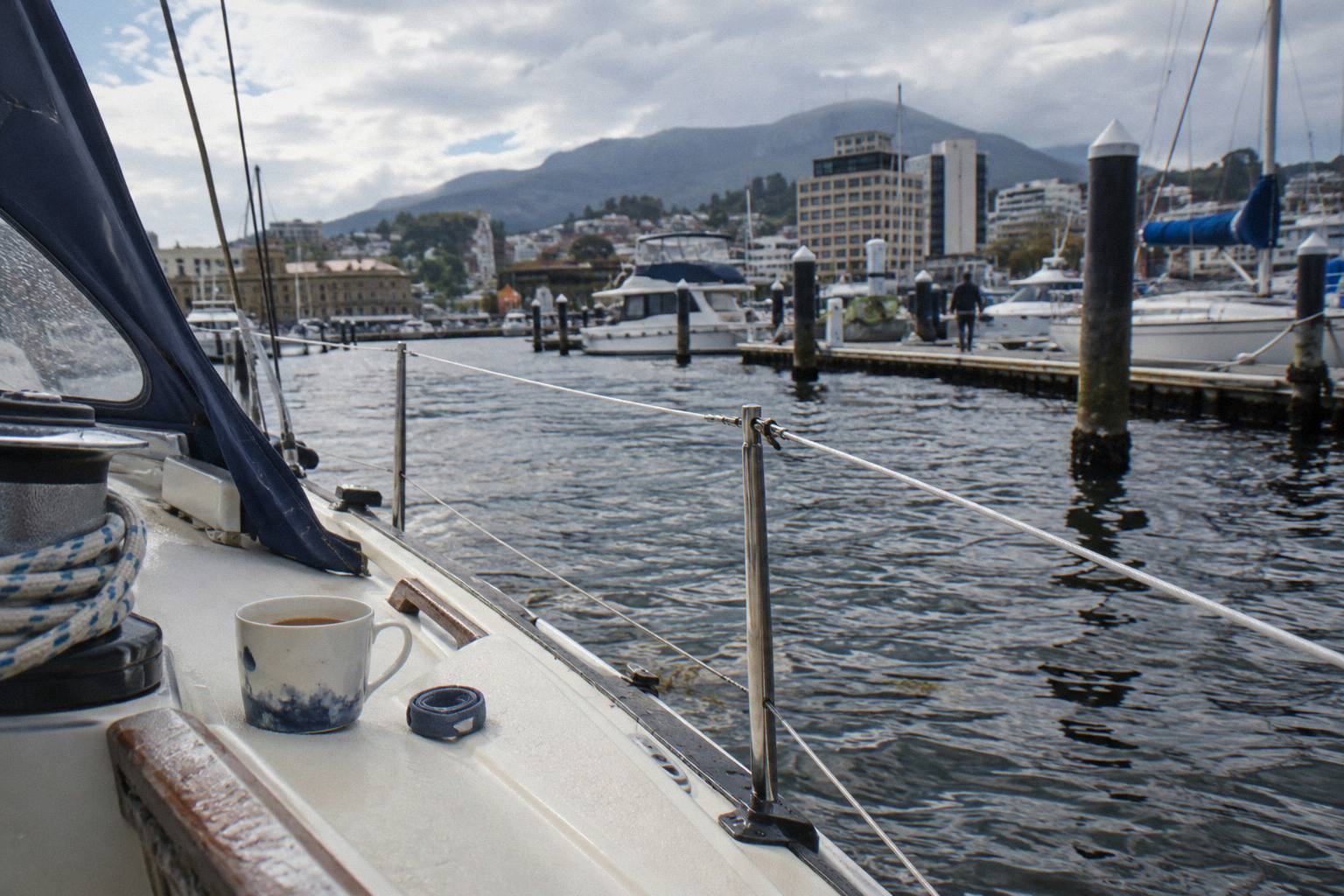
None of these are reasons to stay ashore. They are reasons to book with the 24-hour free cancellation in your pocket, check the forecast the day before, and let the skipper make the professional call the operator pays them to make. The operator's FAQ is the primary source for the footwear, parking and cancellation details summarised above, and the Bureau of Meteorology table is the primary source for every climate figure on this page.
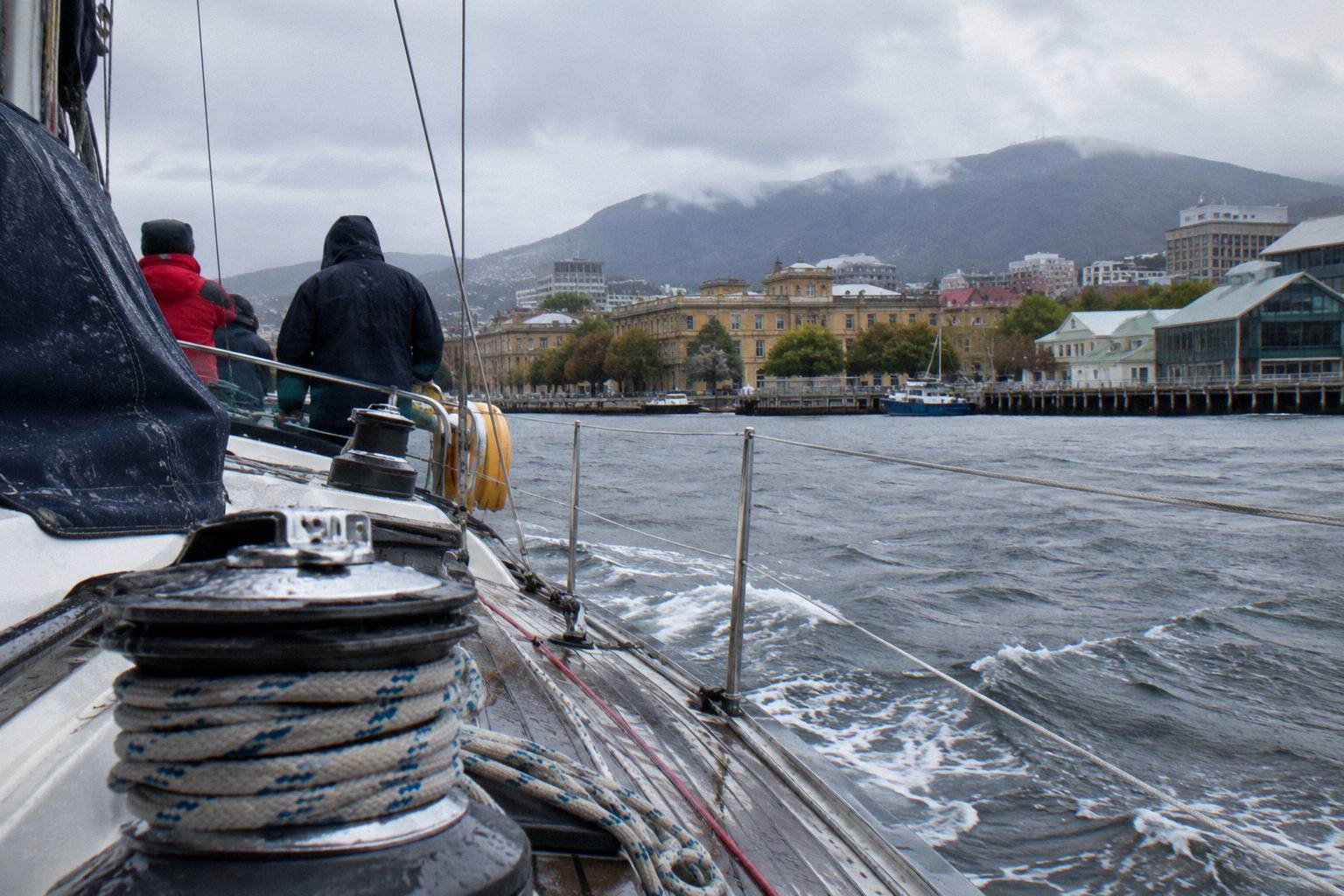
Wind means, temperatures, rainfall, water temperature, season dates and cancellation terms above are sourced. Swell figures, tide data, sea-breeze patterns and wind-direction claims are not sourced anywhere in the material this site holds, so they do not appear. For the day-of status of any departure, the booking page and the operator's pre-sail contact are the live sources.
Common Questions About Derwent River Sailing Conditions
Is The Derwent River Good For Sailing?
Yes, in the specific sense the operator and the clubs describe. Hobart Yachts calls harbour sailing well protected and runs a three-hour charter sail on Helsal IV from Kings Pier Marina, while the Royal Yacht Club of Tasmania opens its Derwent season in September with programs through summer. Long-term winds average about 11 to 15 km/h at 9am and 12 to 19 km/h at 3pm, which is workable sailing weather most of the time, with the skipper calling off only genuinely bad forecasts.
How Windy Is Too Windy For A Hobart Sail?
No wind-speed threshold is published by any operator, so there is no number to quote. The skipper of Helsal IV cancels when the weather is too bad, and the operator's FAQ records a gale forecast cancelling a sail the day before. If weather makes the sail unsafe, the booking page terms provide a reschedule or a full refund, and cancellation is free up to 24 hours before regardless.
What Is The Windiest Time Of Day On The Derwent?
On the long-term BoM averages, afternoons run stronger than mornings: the 3pm mean wind is about 12 to 19 km/h against about 11 to 15 km/h at 9am, with spring and summer afternoons the higher end. That makes the 9am departure the calmer slot on average, though any individual day can differ, and no sea-breeze pattern is stated in the sourced material.
How Cold Is The Water In The Derwent River?
The Derwent Estuary Program reports median surface temperatures of 12.4 to 14.8 °C across 2020 to 2024 monitoring, warmer in summer. No month-by-month table exists in the sourced material. Practically, pack as if for cool water: layers, a windproof shell and flat-soled grippy shoes, since the operator allows only a few spare wet weather items on board.
Can You Sail The Derwent In Winter?
Club sailing continues on the Derwent, but for the charter product the answer is not stated. Hobart Yachts lists open sailings October to March at 9am to 12pm and 2pm to 5pm, and September, April and May at 10am to 1pm. Winter dates are simply not listed; check the booking page for winter availability, and expect a July mean maximum of 11.9 °C and about 9 hours of daylight near the solstice.
Does Weather Cancel Hobart Sailing Trips Often?
No frequency figure is published, and none should be invented. What is stated: the skipper cancels when weather is too bad, a gale forecast has cancelled a sail the day before, and a cancelled sail is rescheduled or refunded in full under the booking-page terms. The minimum of 4 guests can also affect a departure, with reschedule, voucher, difference-paid or full-refund options if it is not met.