At What Age Is It Best For A Child To Learn To Sail In Hobart?
Club-published ages for children learning to sail in Hobart, the Tackers program, dinghy starting ages, family options on Helsal IV, and the lifejacket rules that apply.
In short: No official body names one best age, and this page will not either. Hobart clubs publish their own starting ages: Australian Sailing's Tackers program takes children aged 7 to 12, Little Tackers exists for ages 4 to 6, and Sandy Bay Sailing Club runs Cadet Learn to Sail for ages 9 to 17. Optimist and Sabot dinghies are often started around 6 to 9. For a first taste without a course, the Helsal IV sail suits all ages per the operator.
For the full beginner pathway, see the learn to sail guide for Hobart.
| Quick Facts | Detail |
|---|---|
| Tackers program age | 7 to 12, per Australian Sailing |
| Little Tackers age | 4 to 6, per Australian Sailing |
| Cadet Learn to Sail | Ages 9 to 17, Sandy Bay Sailing Club |
| Common dinghy starting age | Around 6 to 9, Optimist and Sabot |
| Helsal IV family sail | All ages per operator; child rate 4 to 17; infants under 4 free on laps |
| Helsal IV sail duration | 3 hours, morning or afternoon |
| Helsal IV from-price | From US$115 per person on the booking page |
| Wilderness cruises | Children of all ages welcome, per the operator FAQ |
At What Age Is It Best For A Child To Learn To Sail?
There is no single best age, since no official body names one, but Hobart clubs point to a broad window: most children start sailing between 6 and 9, Tackers accepts ages 7 to 12, Little Tackers covers 4 to 6, and Sandy Bay Sailing Club takes cadets from 9 to 17. The best age is simply when a child wants to be on the water and can listen to a coach.
The question hides a second question: what does "learn to sail" mean for a child? A structured certificate course, a games-first program like Tackers, and a family afternoon on a keelboat are three different things, and they suit different ages and temperaments. A five-year-old who is happy on the water can ride along on a keelboat long before they can rig a dinghy alone. A nine-year-old who wants to steer their own boat needs a dinghy program, not a passenger seat.
The published ages from Hobart clubs give you the map. The Royal Yacht Club of Tasmania in Sandy Bay runs Tackers for children aged 7 to 12, with boats and life jackets provided, which removes the biggest barrier for families who do not own a dinghy. Sandy Bay Sailing Club layers Tackers 2 with a Cadet Learn to Sail course for ages 9 to 17, so a child who starts at seven has a pathway that runs into their teens. Bellerive Yacht Club runs Tackers 2 across nine Sunday mornings for the same 7 to 12 band.
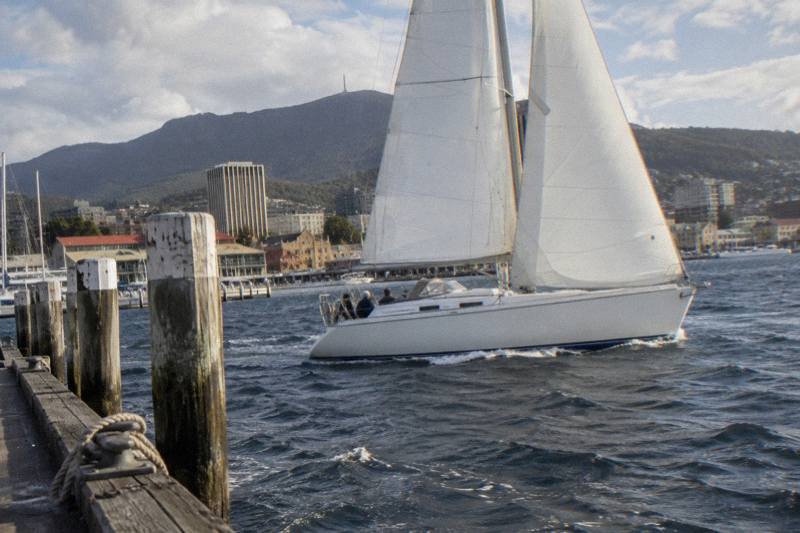
None of these clubs prints a youngest-possible age for keelboat sailing, because the keelboat option is not a course: it is a sail. The operator of Helsal IV states the three-hour Hobart sailing experience is suitable for all ages and experience levels, with children aged 4 to 17 on the child rate and infants under 4 free on laps. That makes a guided sail a low-commitment first exposure years before a child is old enough for Tackers.
If the goal this summer is simply to find out whether sailing sticks, the choice below covers the range: a skippered sail from the marina, a full day around Bruny Island, or a Tasman Island cruise day.
What Each Hobart Club Offers Children
Hobart's clubs publish age bands rather than entry tests, and the bands overlap deliberately. The Royal Yacht Club of Tasmania runs Tackers for ages 7 to 12 and Discover Sailing sessions of 3 to 4 hours. Sandy Bay Sailing Club runs Tackers 2 and Cadet Learn to Sail for ages 9 to 17. Bellerive Yacht Club runs Tackers 2 across nine Sunday mornings. Derwent Sailing Squadron's SailTrain program targets adults with a 12-hour Start Crewing course over 2 days.
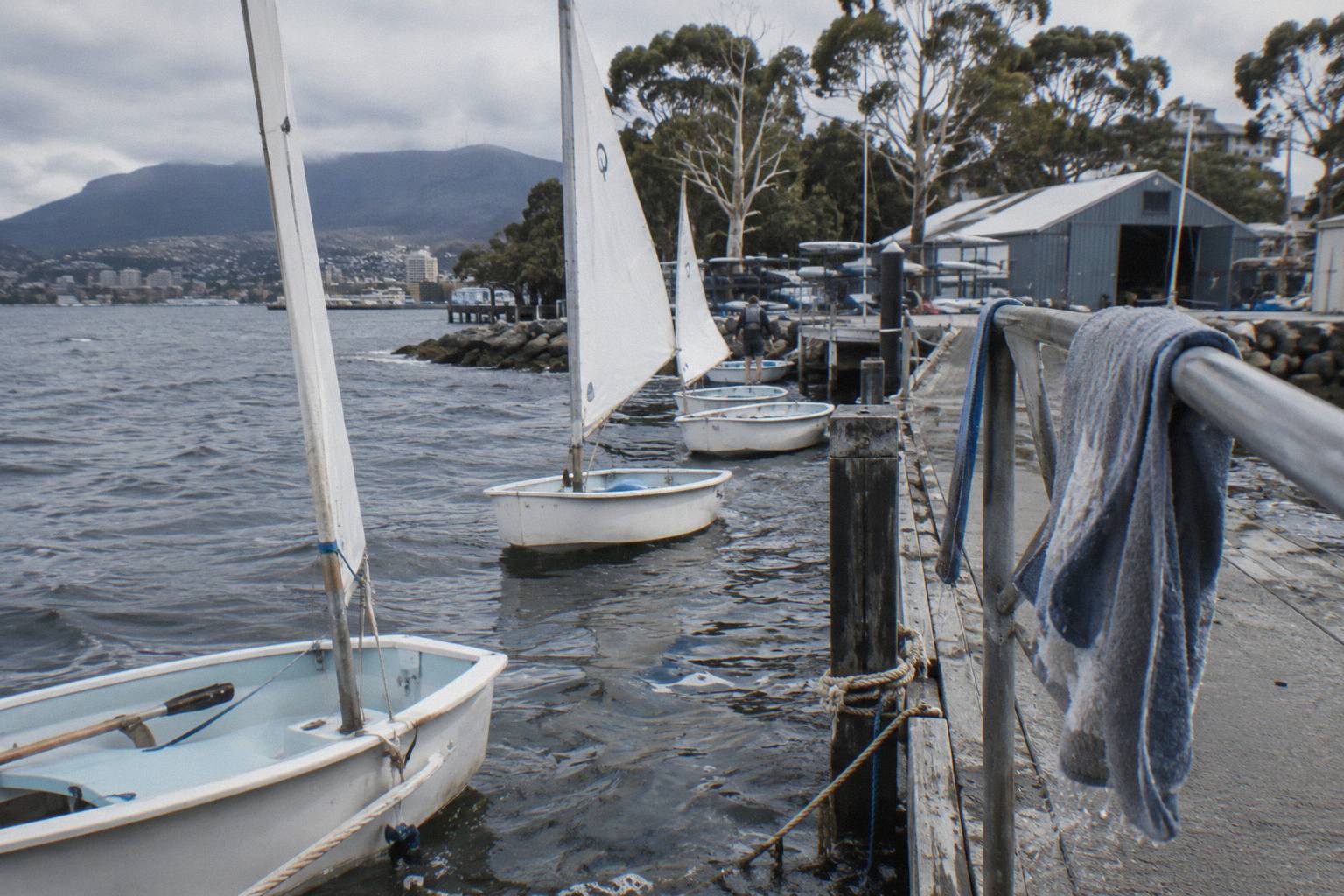
The club detail matters because each program sits at a different point on the pathway. The Royal Yacht Club of Tasmania, in Sandy Bay, structures its Discover Sailing sessions around a safety briefing, rigging a boat, a sail session and a visit to Kings Pier, which is the same marina where Helsal IV is berthed. Its Australian Sailing Crew and Helm course runs over three sessions on the club's Young 88 keelboat. Tackers for children aged 7 to 12 comes with boats and life jackets provided, per the club's learn to sail page.
Sandy Bay Sailing Club takes a dinghy-first approach. Its adult Learn to Sail course uses Australian Sailing's Start Sailing 1 curriculum on Pacer dinghies, with a member and a non-member rate, and a certificate on completion. For children it runs Tackers 2 and a Cadet Learn to Sail course for ages 9 to 17, per the club's program page. The club lists its current fees, and because the fee figures in the source carry no stated currency, no amount appears here: ask the club directly.
Bellerive Yacht Club spreads its Tackers 2 program across nine Sunday mornings for ages 7 to 12, a format that suits families who want a term-length commitment rather than an intensive. Derwent Sailing Squadron, through its SailTrain scheme, runs Start Crewing as 12 hours over 2 days with a certificate and equipment provided, which is an adult entry point that a parent could pair with a child's Tackers term.
| Club Or Program | Program | Stated Ages | Notes From The Club |
|---|---|---|---|
| Royal Yacht Club of Tasmania | Tackers | 7 to 12 | Boats and life jackets provided |
| Royal Yacht Club of Tasmania | Discover Sailing | Not stated (adult beginner) | 3 to 4 hours, includes rigging and a sail |
| Sandy Bay Sailing Club | Tackers 2 | 7 to 12 | Follows the Tackers pathway |
| Sandy Bay Sailing Club | Cadet Learn to Sail | 9 to 17 | Dinghy course for older children |
| Bellerive Yacht Club | Tackers 2 | 7 to 12 | Nine Sunday mornings |
| Derwent Sailing Squadron (SailTrain) | Start Crewing | Not stated (adult) | 12 hours over 2 days, certificate |
No club amount is printable here, since the club fee figures in the source carry no stated currency. The only prices this page can state are booking-page from-prices for the tours described: the Helsal IV sail from US$115 per person and the Bruny Island full day from US$195 per person.
Is a skippered family sail the easier first step while you weigh up a club term? The three-hour option leaves from Kings Pier Marina.
Dinghy Starting Ages: Optimist And Sabot
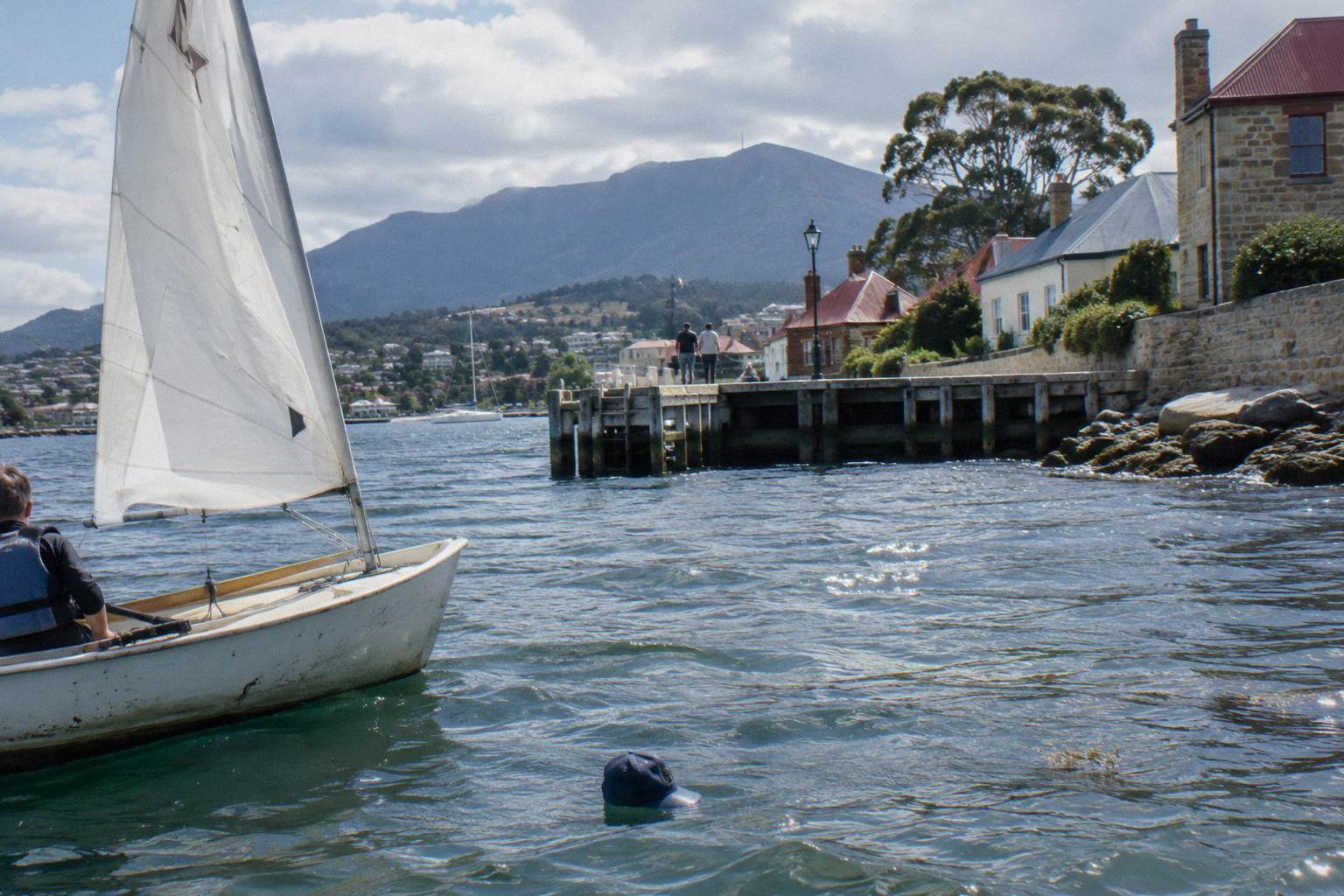
The dinghies children actually learn on, Optimists and Sabots, are often started around ages 6 to 9. An Optimist is a small single-handed pram dinghy a child can rig alone; a Sabot is a similar Australian class. The age a child handles one depends on confidence in water, swimming ability and willingness to follow instructions, not on a rule.
Around 6 to 9 is a range, not a gate. A confident six-year-old in a life jacket who has grown up around boats may take to an Optimist immediately, while a nine-year-old who has never left the beach might need a season of Tackers games first. The classes are designed for exactly this: an Optimist's sail is small enough that a capsize is a splash rather than a drama, and clubs structure early sessions around comfort in the water before any racing happens.
The reason Tackers at 7 to 12 overlaps this range is that Tackers is a program, not a boat. It uses games and group coaching to build the water confidence that dinghy sailing assumes, which is why Little Tackers exists for ages 4 to 6 as an even softer entry. A family that wants to test the water before committing to a term has an intermediate option: a skippered keelboat sail where a child experiences the wind and the motion of a yacht with a professional crew handling everything.
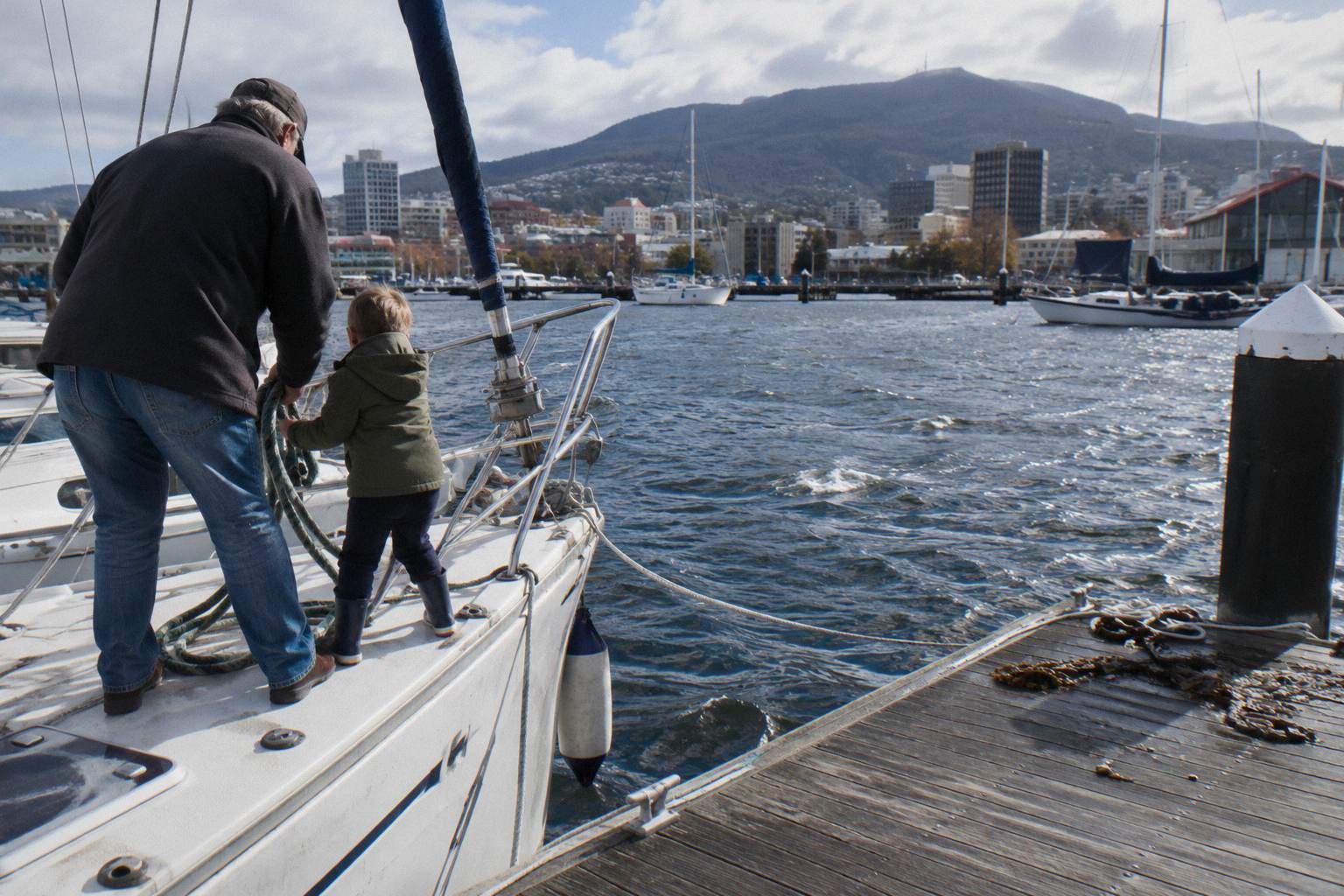
That is precisely the role the Helsal IV sail plays. The operator includes sailing instruction if you want it, so an interested eight-year-old can take a turn at the wheel under the skipper's eye, while a four-year-old watches from the cockpit. It is a taste of yacht sailing, not a certificate course, and it does not pretend otherwise.
What A Family Sail On Helsal IV Looks Like
The operator states the sail suits all ages and experience levels: 3 hours on Helsal IV, a 62-foot Dynamique 62 cruiser-racer with a 150 HP diesel auxiliary, morning or afternoon. Children aged 4 to 17 pay the child rate, infants under 4 are free on laps, and the from-price is US$115 per person on the booking page. Snacks, non-alcoholic drinks and sailing instruction if wanted are included.
Helsal IV has raced Sydney to Hobart races, is designed by Philippe Briand and built in France, and is berthed at Kings Pier Marina, the last boat on the far left of the pier. The meeting point is Kings Pier Marina, 2 Franklin Wharf, and the operator asks guests to arrive about 10 minutes early. Parking on the dock is 2 hours or permit only, with the nearest all-day parking at Dunne Place, Evans Street at Macquarie Point, and the Market Place and Argyle Street car parks, per the operator's FAQ.
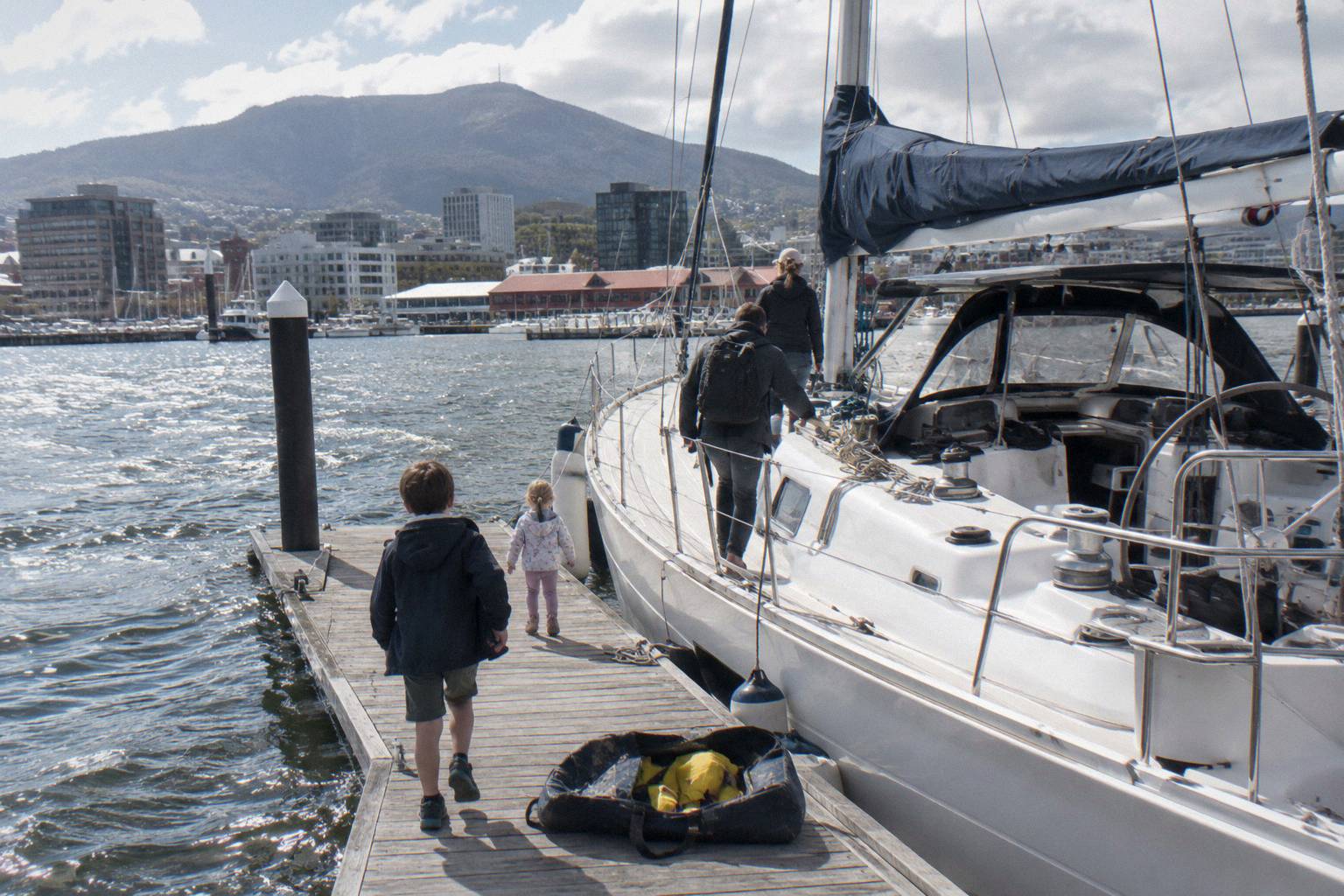
For a family with mixed ages, this format solves a real problem a club course cannot: everyone sails together. A seven-year-old, a twelve-year-old and a grandparent share the same three hours on the same yacht, with a professional skipper and crew aboard and commentary if wanted. Alcohol is not included, though Tasmanian wine and beer is available at regular bar prices, and wet weather gear is not included beyond a few spares, so bring your own. Wear flat-soled grippy shoes: bare feet, high heels and thongs are not allowed.
The honest comparison with a club course is one of depth against accessibility. Tackers over a term builds a child who can sail a dinghy alone; a Helsal IV sail builds a child who knows whether they want to try. Free cancellation applies up to 24 hours before on the booking page, and the skipper cancels if weather is too bad, with a reschedule or full refund then offered.
Lifejackets And Safety Rules For Children
MAST Tasmania's rule is that children under 12 must wear a life jacket in a recreational motor boat under power, with no need to wear one inside a cabin. This is a recreational-boating rule: commercial passenger vessels operate under their own survey conditions, so no legal lifejacket requirement is stated here for tour guests. The practical advice for any tour is to ask the operator what it provides.
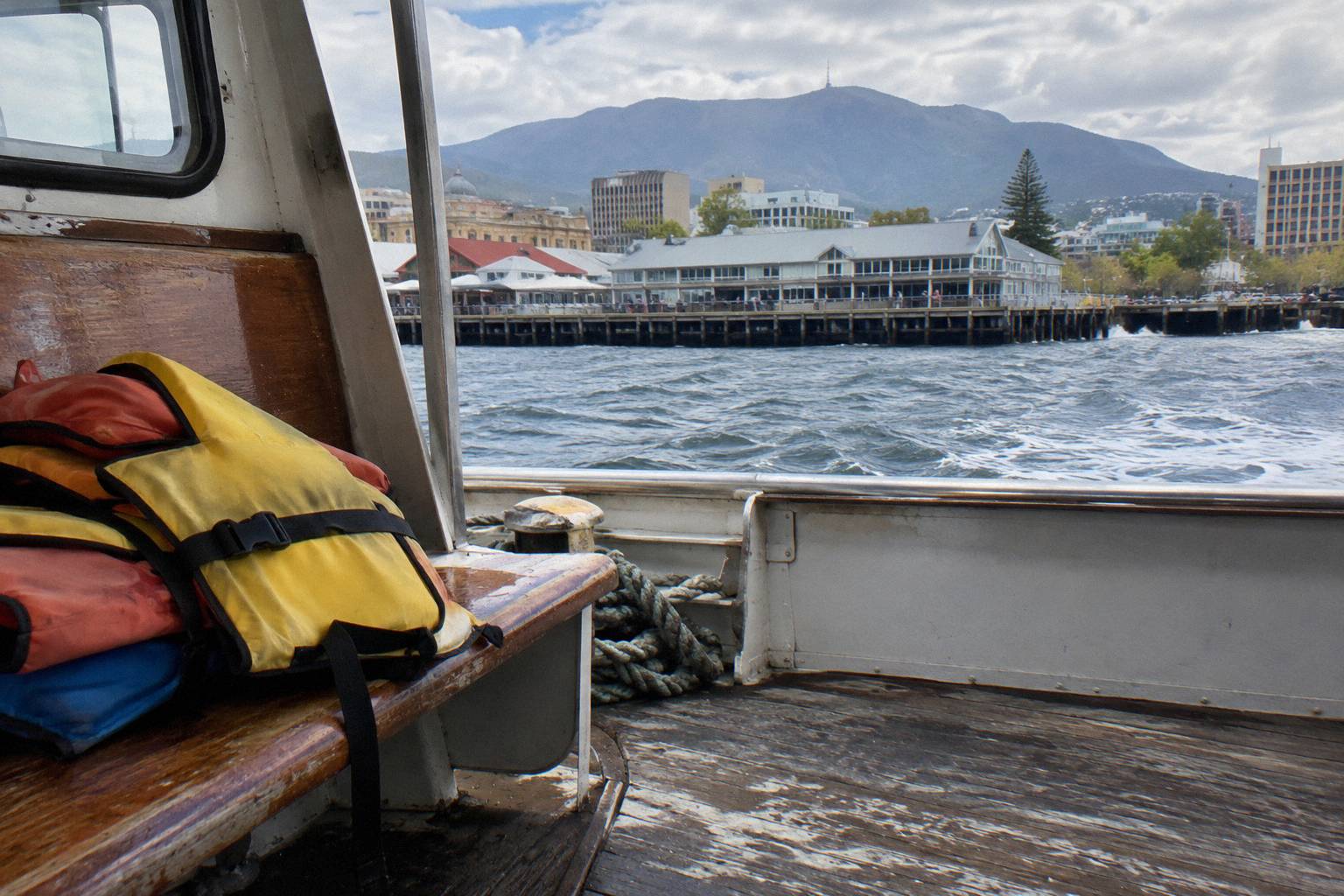
The distinction matters because parents often hear the under-12 rule and assume it covers every vessel. It does not, as the MAST Tasmania lifejacket page makes clear: the requirement applies to recreational motor boats under power, and commercial passenger vessels operate under survey conditions of their own. The right question for a tour is simple: ask the operator what it provides for children, in what sizes, and whether children wear them throughout the sail.
In club programs the answer is settled. Tackers at the Royal Yacht Club of Tasmania comes with boats and life jackets provided, so a family needs no equipment for a first term. Level 150 and 100 jackets must comply with the AS 4758 standard under the MAST rules, which is the standard to look for if buying your own.
Age also shapes the practical rules on a tour. On Helsal IV, infants under 4 sit on laps, which is the booking page's stated arrangement for that age group. The wilderness cruise boats welcome infants on laps too, per their booking pages. Neither operator's material states a minimum age, so families with a very young child are best asking the operator directly about the set-up for their child's age.
Cruises Vs Sailing For Younger Children
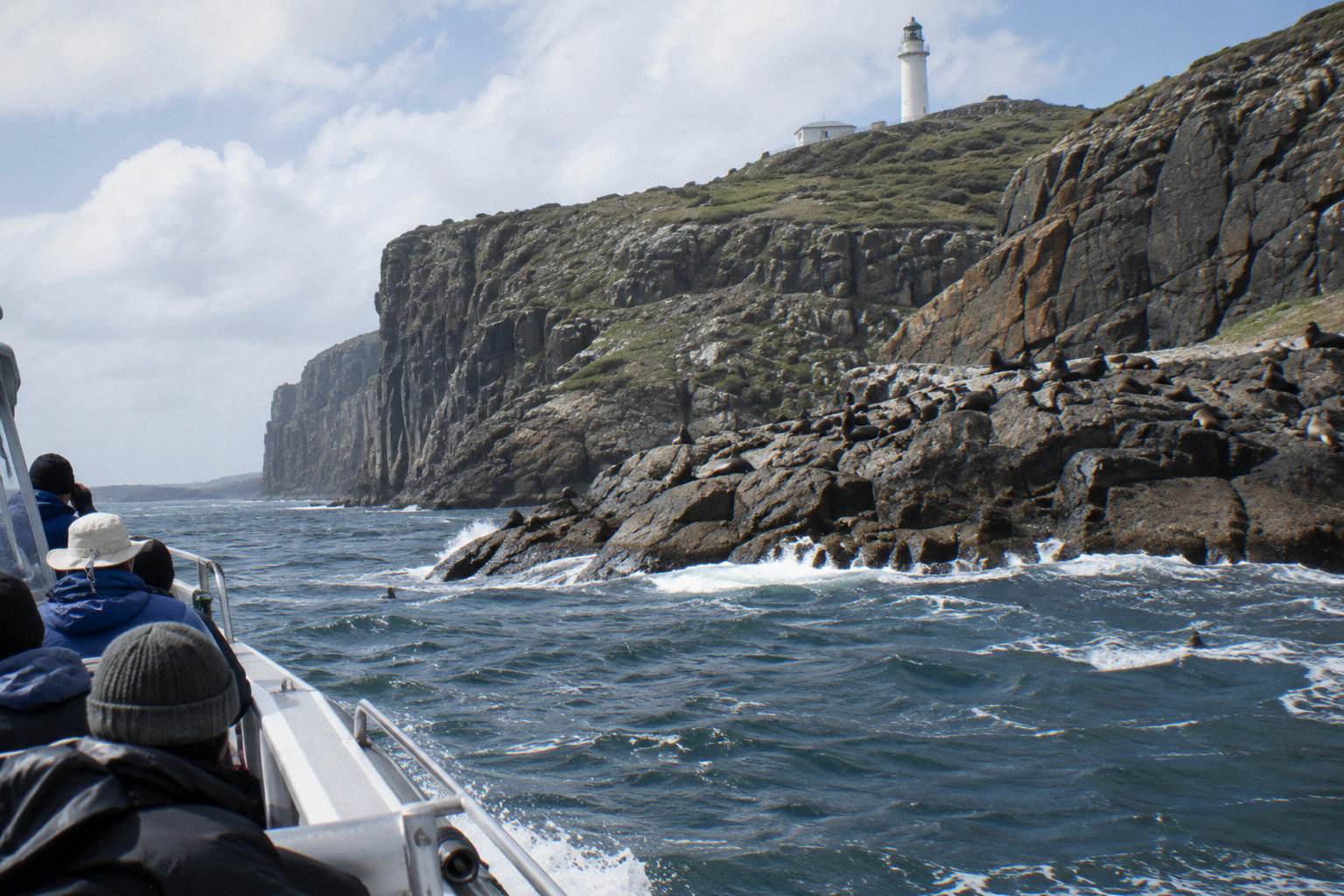
The Pennicott Wilderness Journeys FAQ says cruises welcome children of all ages, while the Bruny Island Traveller tours are not recommended for young children. The Bruny Island full day and the Tasman Island cruise days are motor-powered wilderness cruises, not sailing, and they run about 9.5 to 10 hours with coach travel, a different ask of a five-year-old than a 3-hour sail.
The Bruny Island Wilderness Coast full day runs about 9.5 to 10 hours, with a 3-hour wilderness cruise on a custom-built boat, guided coach touring, ferry crossings, morning tea, lunch, windproof jackets for the cruise, and hotel drop-off at the end, from US$195 per person. The Tasman Island Cruises day tour runs about 10.5 hours with roughly 1.5 hours of coach each way and a 3-hour cruise, with lunch, morning tea and jackets; its price and rating are not stated, so ask the operator. A combined Tasman Island and Port Arthur version adds about 3 hours at Port Arthur with admission included per the itinerary.
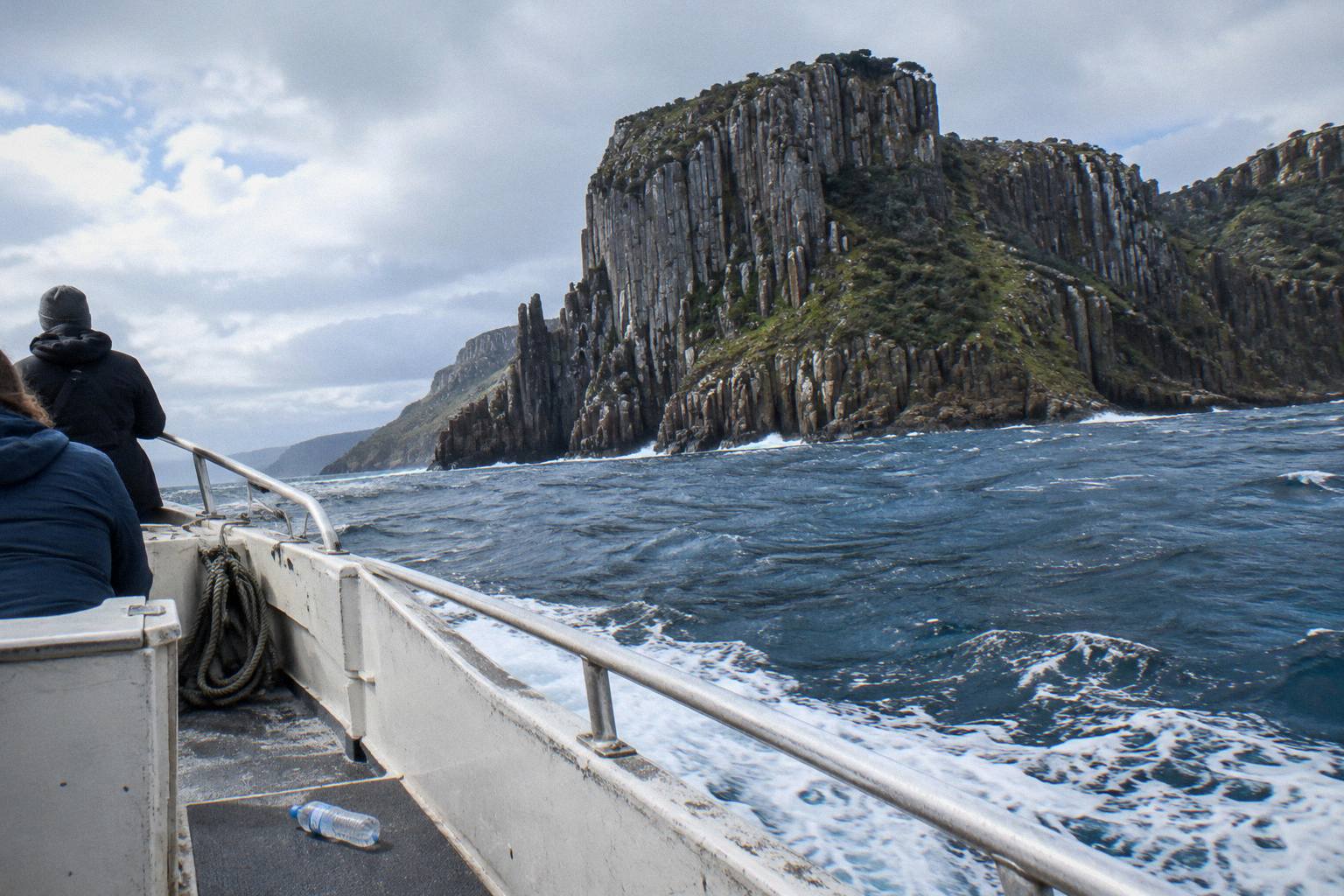
For a child of seven or ten who can handle a full day, these are genuine options, and children of all ages are welcome on the cruises per the operator FAQ at Pennicott Wilderness Journeys' FAQ page. For a four-year-old, the arithmetic is different: a 3-hour sail from a marina in Hobart is a smaller commitment than a 10-hour day with two coach legs. The Traveller bus tours, the operator notes, are not recommended for young children at all.
| Option | Type | Duration | Stated Child Policy | From-Price |
|---|---|---|---|---|
| Helsal IV sail | Skippered keelboat sail | 3 hours | All ages; child rate 4 to 17; infants under 4 free on laps | US$115 per person |
| Bruny Island Wilderness Coast full day | Coach and motor cruise | About 9.5 to 10 hours | Cruises welcome all ages; Traveller tours not recommended for young children | US$195 per person |
| Tasman Island Cruises day tour | Coach and motor cruise | About 10.5 hours | Children of all ages welcome; infants on laps | Not stated; ask the operator |
| Tasman Island and Port Arthur | Coach, cruise and historic site | About 10.5 hours | Infants on laps | Not stated; ask the operator |
Free cancellation up to 24 hours before applies on the booking pages for these tours, which takes some risk out of planning around a child's unpredictable week.
If a full-day wilderness cruise fits your child's age and stamina, the Bruny Island option is the one with a stated from-price:
Common Mistakes When Planning A Child's First Sail
The recurring mistakes are treating age as a pass or fail, comparing club fees with tour prices as if they were the same thing, and assuming safety rules cross over between vessels. Footwear and clothing catch families out too: bare feet, high heels and thongs are banned on Helsal IV. Booking a 10-hour cruise day for a child who tires quickly, and assuming hotel pickup exists when the meeting point is the marina, round out the list.
The first mistake has a fix built into this page: the clubs publish ranges, not thresholds, so a child who is six this month is not locked out of everything, and Little Tackers covers ages 4 to 6. The second mistake is subtler. A club course fee and a booking-page tour price are different purchases, one a multi-week program and the other a single outing, and this page never compares them numerically because the club fee figures carry no stated currency. If a club course is the goal, ask the club for its current fees.
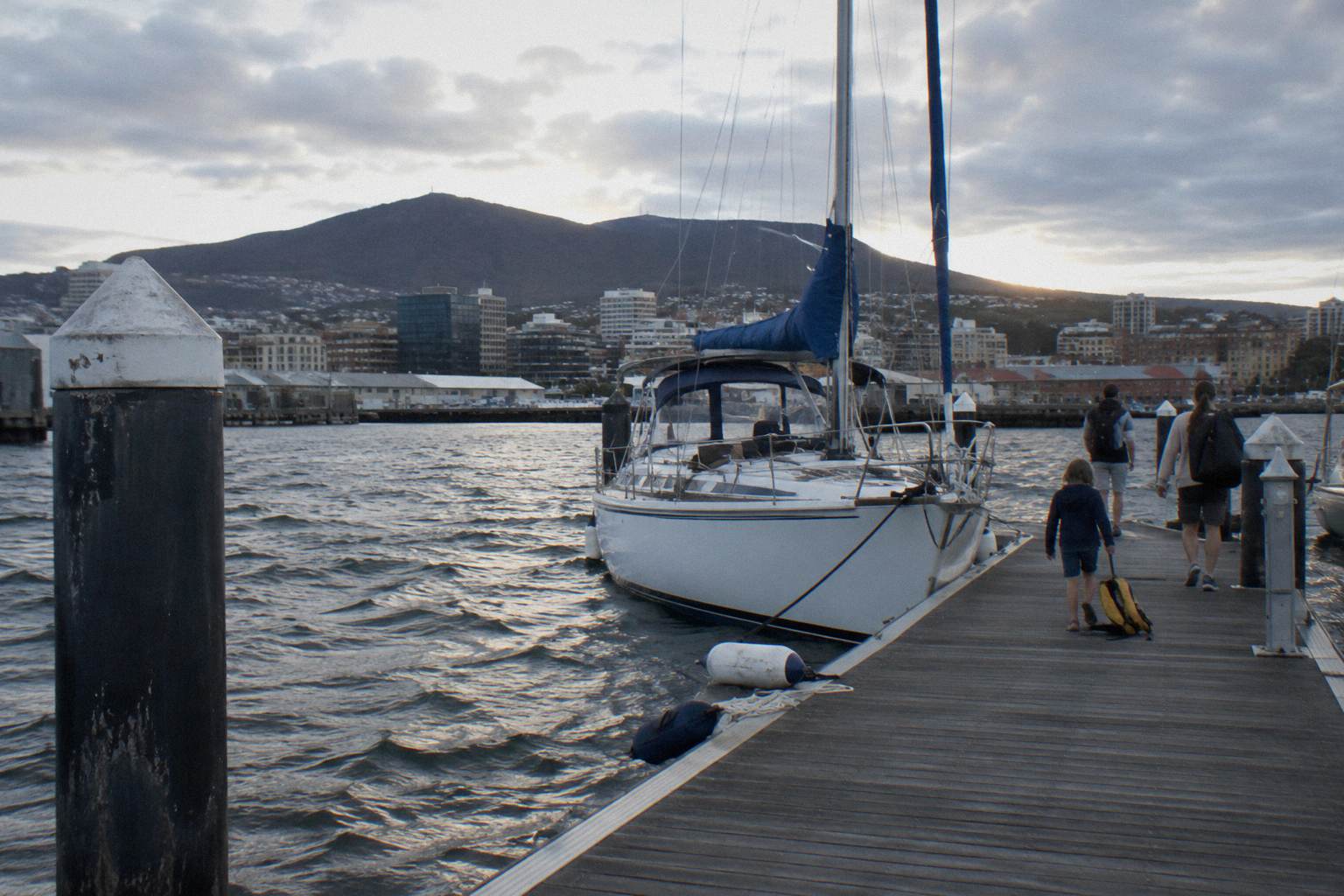
Footwear and clothing catch out families who dress for a beach day. Flat-soled grippy shoes are the requirement on the yacht, wet weather gear is not included beyond a few spares, and Tasmanian weather in the operator's stated season of September to May can move through several states in three hours. The Bureau of Meteorology's long-term averages put Hobart's mean maximum at 21.8 °C in January and February and 11.9 °C in July, per the Bureau of Meteorology table, so layering is the sensible default in any month.
The last mistakes are logistical. Parking on the dock at Kings Pier is 2 hours or permit only, so an all-day car park is the better plan for a 3-hour sail plus buffer. And if the skipper cancels for bad weather, the options are a reschedule or a full refund, which is worth knowing before you sell the idea to an excited child. For more on weather call-outs, see what happens when it is too windy to sail, and for the clothing question, what to wear sailing in Hobart.
The operator that publishes the sailing season and footwear rules is Hobart Sailing, and its FAQ is the primary source for those details.
If your child is anywhere from lap-age to cadet-age, one of these three days will fit:
Common Questions About Kids Learning To Sail In Hobart
At What Age Is It Best For A Child To Learn To Sail?
No official source states a best age. Australian Sailing's Tackers program is for ages 7 to 12, Little Tackers covers 4 to 6, Optimist and Sabot dinghies are often started around 6 to 9, and Sandy Bay Sailing Club takes cadets from 9 to 17. The right age is when a child wants to be on the water and can follow a coach.
Can A Child Younger Than 4 Go On A Sail?
Yes, on the Helsal IV sail: the operator states it suits all ages, with infants under 4 free and sitting on laps. The wilderness cruise boats also list infants on laps. Neither states a minimum age beyond that arrangement, so ask the operator about the set-up for your child's age.
Do Children Have To Wear A Lifejacket On A Tour Boat?
MAST Tasmania requires children under 12 to wear a life jacket in a recreational motor boat under power, but commercial passenger vessels operate under their own survey conditions, so no legal requirement is stated for tour guests. Ask the operator what it provides. Tackers programs provide life jackets for children.
What Is The Cheapest Way To Try Sailing With A Child?
The Helsal IV sail is from US$115 per person on the booking page, with children aged 4 to 17 on the child rate and infants under 4 free, and it includes sailing instruction if wanted. Club course fees carry no stated currency in the source material, so ask each club for its current fees rather than comparing numbers here.
Is A 3-Hour Sail Too Long For A Child?
Three hours is shorter than any of the full-day cruise options, which run about 9.5 to 10.5 hours with coach travel, and the operator says the sail suits all ages. It is a reasonable first outing for a child with any attention for the water. Free cancellation up to 24 hours before on the booking page softens the risk if the day turns.
Can Teenagers Learn To Sail In Hobart?
Yes. Sandy Bay Sailing Club's Cadet Learn to Sail covers ages 9 to 17, and adult beginner courses such as Start Crewing at Derwent Sailing Squadron and Start Sailing 1 at Sandy Bay have no stated upper age limit. The Sydney to Hobart race site notes participants into their 80s, so there is no published age at which the door closes.